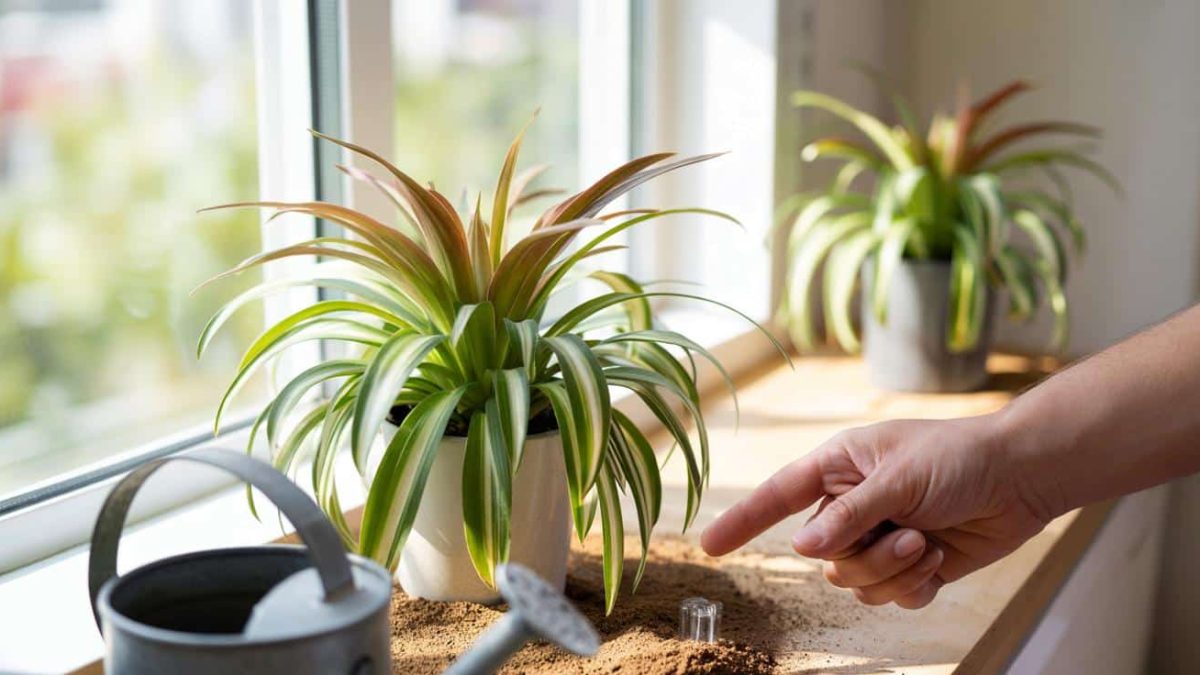
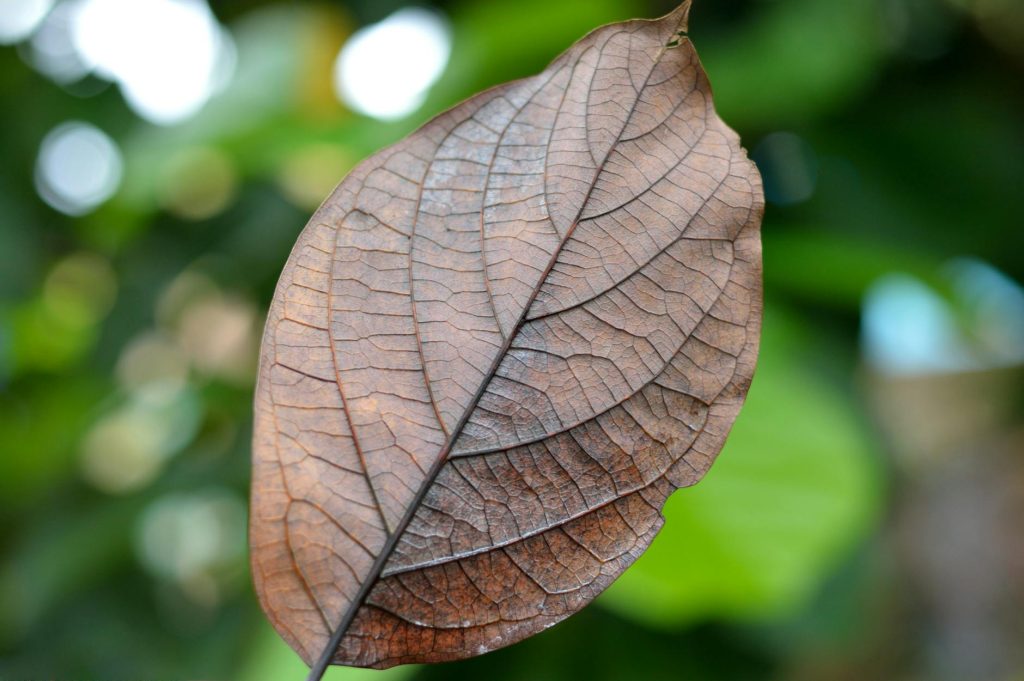
Your spider plant sits on the windowsill looking droopy and tired, its once-lush green leaves now sporting crispy brown edges that make you question your entire plant-parenting ability. You immediately assume you’re not watering enough, so you increase your watering frequency. Yet the problem persists, and those troublesome brown tips continue spreading. What if I told you that your watering routine might actually be perfectly fine? The real culprits behind spider plant brown tips are often hiding in plain sight.
The Common Misconception About Underwatering
Most gardening guides will tell you that brown tips mean your plant is thirsty. This assumption has become so widespread that countless plant owners immediately reach for their watering cans at the first sign of discoloration. However, this oversimplified explanation misses the complete picture of plant physiology and environmental factors.
Spider plants are remarkably forgiving houseplants that actually prefer consistency over abundance. They come from tropical regions where moisture is steady but not excessive, and their root systems have evolved to handle moderate water conditions. When brown tips appear, jumping to the conclusion that you need more water can actually make matters worse, leading to root rot and fungal issues that are far more serious than cosmetic leaf damage.
The reality is that brown tips develop for multiple interconnected reasons, and understanding these factors will transform how you approach plant care. Rather than viewing symptoms as isolated problems, you’ll start seeing them as messages from your plant about its overall environment.
Mineral Buildup and Water Quality Issues
One of the most overlooked culprits behind spider plant brown tips is the water you’re using. Tap water contains minerals like chlorine, fluoride, and various salts that accumulate in the soil over time. These minerals gradually build up around the roots and affect the plant’s ability to absorb nutrients properly. When minerals concentrate at high levels, they can actually draw moisture away from the leaf edges, causing them to brown and crisp up.
Spider plants are particularly sensitive to fluoride, a common component in treated tap water. If you’ve noticed that brown tips appear despite consistent watering, water quality might be your answer. The solution is simpler than you’d expect: switch to filtered water, distilled water, or collect rainwater for your spider plants. You’ll be amazed at how quickly new growth emerges without the brown tips when you eliminate mineral stress.
If switching your water source completely isn’t practical, consider allowing tap water to sit overnight before watering. This allows some chlorine to evaporate naturally. Additionally, flushing your soil every few months with distilled water helps remove accumulated mineral deposits, giving your plant a fresh start.
The Humidity Factor That Most People Ignore
Spider plants evolved in tropical environments where humidity levels remain relatively high year-round. Our modern homes, especially during winter months or in arid climates, offer nowhere near these natural conditions. Low humidity is a primary cause of brown tips, yet it’s rarely the first thing plant parents address.
When air is dry, plants lose moisture through their leaves at accelerated rates—a process called transpiration. The leaf edges, being the farthest from the plant’s water-delivery system, suffer first. They simply can’t replenish moisture as quickly as it evaporates into dry air. This creates the characteristic papery brown tips that frustrate so many gardeners.
Increasing humidity around your spider plant doesn’t require expensive equipment. Group your plants together to create a microclimate where they share humidity. Mist the leaves regularly with a spray bottle filled with filtered water. Place your plant on a pebble tray filled with water, ensuring the pot sits above the water line so roots don’t stay waterlogged. These simple strategies can dramatically reduce brown tip development within weeks.
Light Exposure and Temperature Stress
Another frequently dismissed factor is light quality and intensity. Spider plants perform best in bright, indirect light, but many people place them in low-light corners or directly under harsh artificial lighting. Both extremes create stress that manifests as brown tips.
Direct sunlight can actually scorch the delicate leaf edges, while insufficient light stresses the plant’s photosynthesis and nutrient processing. Finding the sweet spot—a location with bright but filtered light—supports healthy leaf development and prevents the browning that results from light stress.
Temperature fluctuations also play a role that’s often overlooked. Spider plants prefer temperatures between 60 and 75 degrees Fahrenheit. Placing your plant near heating vents, air conditioning units, or drafty windows exposes it to temperature swings that trigger brown tip development. The stress of constant temperature changes weakens the plant’s ability to maintain healthy foliage, regardless of your watering routine.
Fertilizer Concerns and Salt Accumulation
Ironically, too much fertilizer causes more brown tips than too little. When plant parents see browning leaves, many assume nutritional deficiency and begin feeding their spider plants more frequently. This well-intentioned approach actually worsens the problem by increasing salt concentration in the soil.
Excessive fertilizer creates a phenomenon called salt burn, where accumulated salts in the soil pull moisture from the roots. This directly causes the brown tips you’re trying to prevent. Spider plants don’t require heavy feeding—they’re light feeders that thrive with minimal fertilization. Feed monthly during growing season with a diluted, balanced fertilizer, and skip feeding entirely during winter months when growth naturally slows.
Creating Your Optimal Watering Schedule
Once you’ve addressed these environmental factors, establishing the right watering routine becomes straightforward. Rather than watering on a fixed schedule, check your soil’s moisture level before watering. Water when the top inch of soil feels dry to the touch, but not so much that water pools on the surface. Allow excess water to drain completely, as sitting water invites root rot.
Most spider plants need watering once weekly during growing season and less frequently in winter. However, this varies based on pot size, soil type, light conditions, and humidity levels in your specific home. Developing sensitivity to your plant’s individual needs matters far more than following generic guidelines.
Conclusion: A Holistic Approach to Healthy Spider Plants
Brown tips on spider plants rarely indicate a single problem. Instead, they usually represent a combination of factors including water quality, humidity levels, light exposure, temperature stability, and fertilizer balance. By addressing these interconnected elements rather than simply increasing water frequency, you’ll create an environment where your spider plant thrives with vibrant, healthy foliage. Your plant will thank you with lush green leaves that make you proud to display it in your home.









Leave a Comment