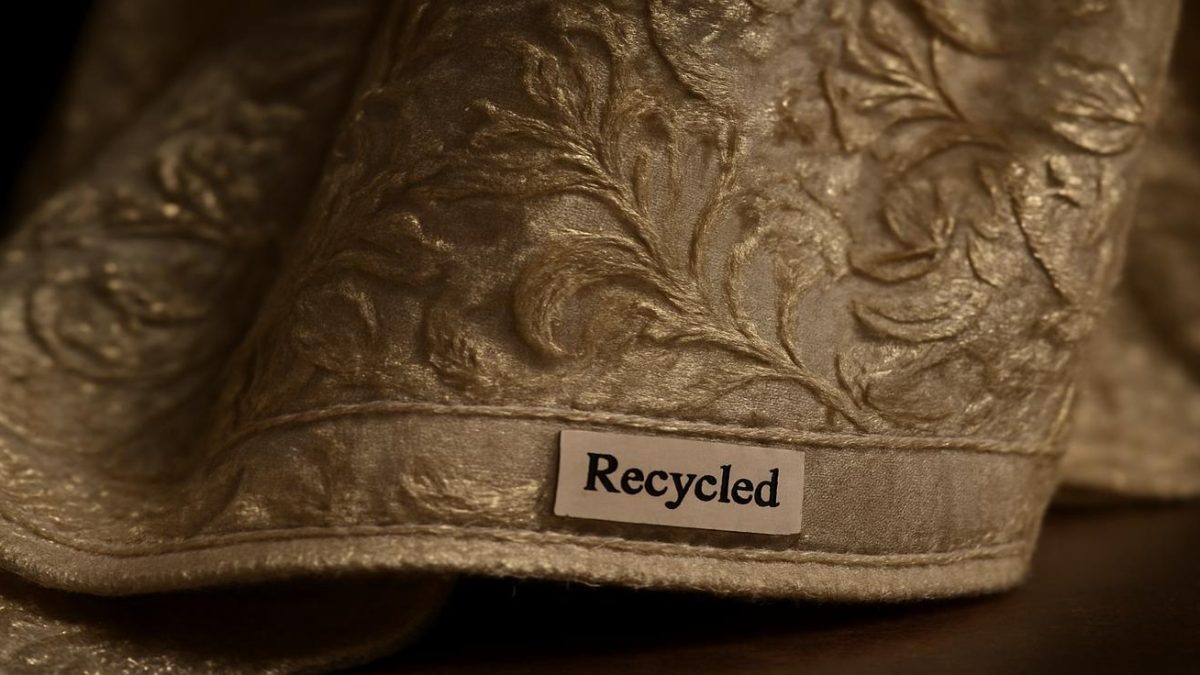
The fashion world witnessed an intriguing moment recently when a member of an influential royal family chose to rewear a gown to a significant state function. This seemingly simple wardrobe decision sparked an unexpectedly complex conversation about environmental consciousness, privilege, and the nature of modern activism. The incident illuminated a fundamental divide in how society interprets sustainable choices made by those in positions of considerable visibility and influence.
The Power of Wardrobe Choices in the Public Eye
Fashion serves as far more than a functional necessity for public figures. Every garment choice becomes a statement, analyzed and dissected by millions across social media platforms, fashion publications, and dinner table conversations worldwide. When someone with significant cultural influence steps out in an outfit, that decision carries weight beyond aesthetics or personal preference. It becomes a message, whether intentionally crafted or inadvertently transmitted.
The decision to repeat a gown at high-profile diplomatic functions represents an interesting crossroads in contemporary culture. For decades, the unspoken rule among elite circles suggested that appearing in the same formal wear at major events was practically unthinkable. The pressure to constantly showcase new designer creations reflected not just fashion industry expectations but broader cultural assumptions about wealth, status, and progress itself. Stepping outside this convention required either genuine conviction or sophisticated strategy—and perhaps both.
Genuine Environmental Leadership or Performative Activism?
The optimistic interpretation views such wardrobe decisions as meaningful environmental leadership. From this perspective, prominent figures who visibly challenge wasteful fashion consumption patterns contribute to shifting cultural norms. When someone with the resources to purchase unlimited new designer pieces deliberately chooses to remix their existing wardrobe, it sends a powerful message about the sufficiency and durability of quality items. This approach aligns with growing environmental consciousness regarding the fashion industry’s staggering carbon footprint and resource consumption.
The fashion industry produces roughly ten percent of global carbon emissions while consuming enormous quantities of water and generating significant textile waste. By some estimates, the average person discards eighty-five pounds of clothing annually. Against this backdrop, the simple act of rewearing a gown takes on environmental significance that extends beyond individual choice into broader cultural commentary.
Conversely, critics argue that such gestures constitute little more than sophisticated public relations maneuvering. When examined more closely, they suggest, these choices lack the substance necessary to drive meaningful environmental change. A single repeated gown, regardless of how widely publicized, does virtually nothing to address systemic waste within fashion industries or transform consumption patterns among the broader population.
The Authenticity Question That Refuses Simple Answers
Perhaps the most compelling aspect of this conversation involves the central question of authenticity. Can an action motivated by both genuine environmental concern and strategic image enhancement be deemed inauthentic? Must motivations be entirely pure for sustainable choices to count as valid contributions to environmental progress? These philosophical questions reveal uncomfortable truths about modern activism and celebrity culture.
Most human behavior emerges from mixed motivations. A person might choose sustainable practices because they genuinely care about environmental outcomes while simultaneously enjoying the positive public recognition such choices generate. These motivations need not be mutually exclusive. Yet contemporary discourse often demands that we categorize actions into neat binaries: either completely authentic or entirely performative.
This binary thinking prevents nuanced understanding of how cultural change actually occurs. Visibility matters for shifting norms. When influential figures make sustainable choices publicly, regardless of their underlying motivations, they increase the social acceptability and visibility of such choices among wider populations. Someone watching from home might think, “If someone with unlimited resources chooses to rewear a gown, perhaps I can wear items multiple times without shame.”
The Privilege Paradox in Sustainability Discourse
Underlying much of the debate exists a fundamental tension regarding privilege and environmental responsibility. Critics point out that wealthy individuals and celebrities benefit from extensive safety nets that make sustainable choices genuinely optional in ways unavailable to most people. Someone earning minimum wage cannot simply decide to rewear their formal wear to every major event—these individuals likely own only one or two fancy outfits regardless of fashion ideology. The ability to make conspicuous sustainable choices itself represents a luxury.
This reality creates an uncomfortable paradox: those with the most visible platforms and greatest potential to influence cultural norms often have the least experiential understanding of authentic resource constraints. Meanwhile, millions of people practice sustainable consumption not from conviction but from necessity, their practices rendered invisible precisely because they lack the cultural platform to narrate them as environmental choices.
Yet this critique potentially dismisses the value of high-profile sustainability messaging altogether. If we exclude privileged voices from environmental conversations because of their privilege, we simultaneously reduce the visibility and cultural legitimacy of sustainable practices within spheres of influence where consumption remains most wasteful.
What This Moment Reveals About Modern Culture
The passionate responses to a single repeated gown reveal something significant about contemporary society. We exist in an era where personal choices carry amplified symbolic weight, where individual wardrobe decisions become proxy debates about authenticity, leadership, and environmental responsibility. This intensification reflects both increased environmental awareness and the peculiar dynamics of social media, where nuance dissolves into competing narratives within hours.
The incident also demonstrates growing environmental consciousness among mainstream audiences. Years ago, such a wardrobe choice would have generated minimal commentary. Today, thousands of observers immediately frame it through sustainability lenses, suggesting that environmental considerations have meaningfully entered popular consciousness and become legitimate grounds for evaluating public figures’ actions.
Moving Beyond Binary Thinking
Rather than dismissing such choices as either purely authentic or entirely calculated, perhaps we might acknowledge their complicated nature. Public figures can simultaneously possess genuine environmental concerns and strategic awareness of how their choices will be received. These realities can coexist without canceling one another out.
The more productive question might focus not on individual motivations but on systemic impacts. Do high-profile sustainable fashion choices contribute to broader cultural shifts that make environmental responsibility more socially desirable? Do they increase media attention to fashion industry sustainability issues? Do they provide cultural permission for ordinary people to embrace sustainable practices? On these questions, the evidence remains genuinely mixed, requiring ongoing observation rather than premature judgment.
Ultimately, the conversation sparked by a single recycled gown demonstrates that fashion exists far beyond fabric and design. It serves as a language through which societies discuss values, authenticity, privilege, and responsibility. These conversations, conducted across social media and around dinner tables, shape cultural norms and influence which behaviors become normalized and celebrated. Whether that influence ultimately drives meaningful environmental progress depends on numerous factors extending far beyond any single wardrobe choice, however visible and publicized.











Leave a Comment