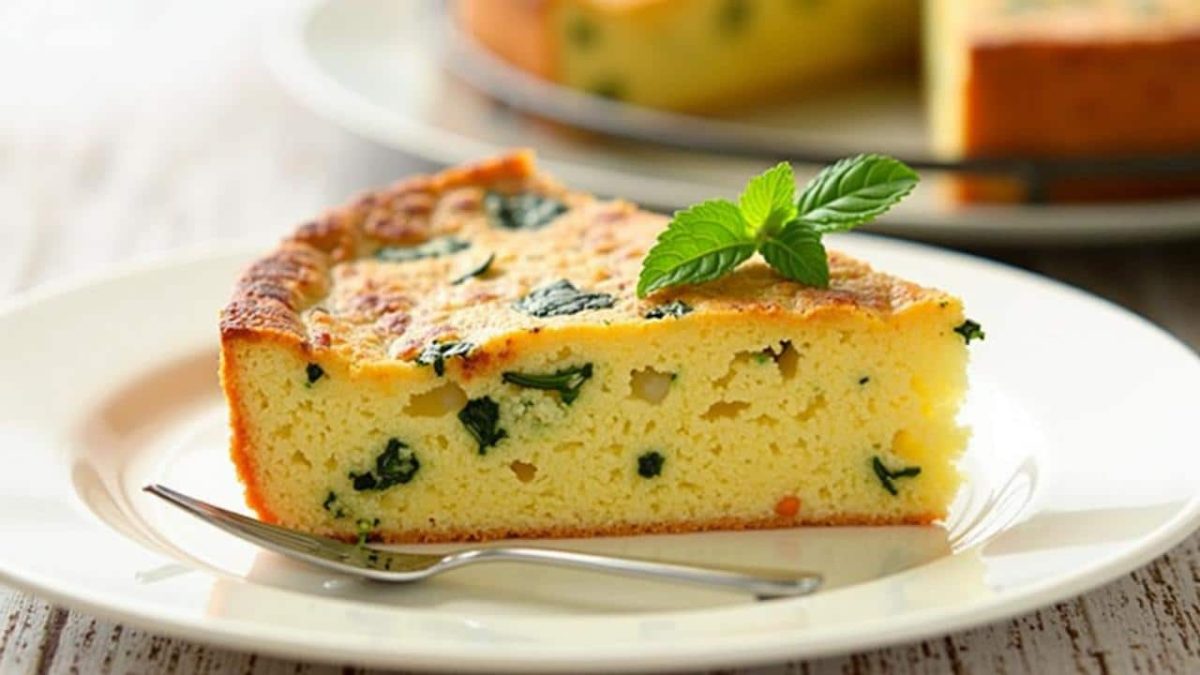
For decades, the quiche has reigned supreme as the go-to savoury centrepiece for entertaining. Yet many home cooks have quietly wrestled with the nutritional reality: a single slice often contains 400-500 calories, packed with cream, eggs, and buttery pastry. What if there was a better way? Enter the world of contemporary savoury cakes—a culinary revolution that proves you don’t need to sacrifice flavour for health-conscious eating.
The Rise of Lighter Savoury Baking
The food world has undergone a quiet transformation in recent years. Chefs and home cooks alike have begun reimagining traditional savoury dishes through a modern lens, focusing on reducing unnecessary calories without compromising taste. Savoury cakes represent the perfect intersection of this movement: they’re elegant enough for entertaining, straightforward enough for weeknight dinners, and surprisingly nutritious.
Unlike their cream-laden predecessors, these contemporary cakes utilise clever ingredient swaps and innovative baking techniques. They incorporate vegetables not as afterthoughts, but as primary flavour drivers. Fresh herbs replace heavy creams. Greek yoghurt stands in for traditional dairy. The result? A new generation of savoury cakes that deliver genuine satisfaction while keeping calories remarkably low.
What makes this trend particularly exciting is that it’s not about deprivation. These aren’t diet cakes designed to taste like humble apologies. They’re genuinely delicious creations that happen to be better for your body.
Understanding the Calorie Advantage
To appreciate why savoury cakes offer such a dramatic improvement over quiche, it’s worth understanding where traditional recipes accumulate excess calories. A typical quiche relies on a pastry crust—immediately adding 150-200 calories per slice before any filling goes in. The filling itself combines eggs, cream, cheese, and sometimes bacon or other rich ingredients, easily pushing totals well beyond four hundred calories.
Savoury cakes take a fundamentally different approach. Rather than using pastry as a base, they employ lighter cake structures made with fewer eggs, less fat, and strategic substitutions. Some recipes use aquafaba (chickpea liquid) as an egg replacer. Others incorporate whipped egg whites to create airiness without density. The results feel substantial and satisfying despite being surprisingly light.
Key Ingredients Making the Magic Happen
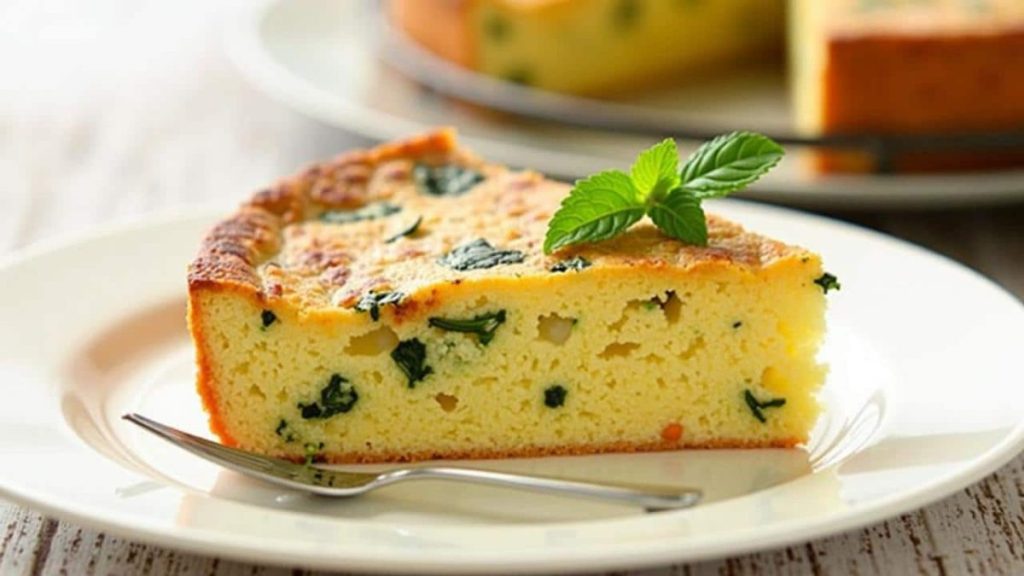
The secret to creating genuinely delicious low-calorie savoury cakes lies in understanding which ingredients deliver maximum impact. Vegetables become the foundation—courgettes, beetroot, carrot, and spinach contribute moisture, texture, and nutrients while adding virtually no calories. These vegetables also create the cake’s structure, reducing reliance on flour and fat.
Herbs and spices are elevated to starring roles. Fresh basil, dill, thyme, and rosemary provide complex flavour profiles that rival rich, creamy sauces. A generous handful of herbs can transform a simple cake into something restaurant-worthy. Garlic and onions add depth and umami satisfaction that keeps people reaching for seconds.
Cheese appears in these cakes, but strategically. Rather than being mixed throughout a heavy cream filling, it’s often used as a topping or scattered sparingly through the batter. Feta, goat cheese, or sharp cheddar provide explosive flavour in small quantities, meaning a little goes a long way.
The flour situation has evolved considerably too. Many contemporary recipes use a blend of regular flour with oat flour, almond flour, or chickpea flour. These alternatives add protein and texture while reducing the overall calorie density. Some bakers skip wheat flour entirely, creating entirely grain-free versions for those with sensitivities.
Practical Recipes to Try at Home
Creating your own low-calorie savoury cakes is entirely achievable with basic baking knowledge. A Mediterranean-inspired courgette and feta cake combines grated courgette with minimal oil, eggs, herbs, and crumbled feta. The vegetables release moisture during baking, keeping the cake tender without requiring additional fat. Each slice delivers under ninety calories while tasting absolutely indulgent.
For something with more earthiness, try a beetroot and horseradish cake topped with cream cheese. The beetroot’s natural sweetness balances the horseradish’s sharpness, creating complexity that feels far more sophisticated than the calorie count suggests. Add some walnuts for crunch, and you’ve got a cake that could grace any dinner table.
Tomato and herb cakes work beautifully too. Fresh tomatoes and sundried tomatoes combine with basil, oregano, and a touch of garlic to create something that tastes like summer in cake form. These are particularly wonderful during peak tomato season when local produce is at its flavour best.
Beyond the Kitchen: Why This Matters
The significance of low-calorie savoury cakes extends beyond simple nutrition. They represent a shift in food culture—away from guilt, toward genuinely nourishing choices that feel luxurious. They make entertaining easier because hosts can serve something truly delicious without anxiety. They prove that health-conscious eating doesn’t require sacrificing pleasure.
For people managing their weight, watching their calories, or simply trying to eat better without feeling deprived, these cakes offer genuine freedom. You can enjoy a substantial, flavourful slice without the post-meal regret that often follows traditional quiche.
The Bottom Line
The era of choosing between delicious and healthy is rapidly becoming obsolete. Savoury cakes with under 100 calories per slice prove that you can have both. They’re easier to make than traditional quiche, more impressive to serve, and genuinely better for your body. Whether you’re hosting dinner parties or simply looking for satisfying weekday meals, these cakes deserve a place in your regular rotation. The only question isn’t whether you should try them—it’s which flavour combination you’ll bake first.









Leave a Comment