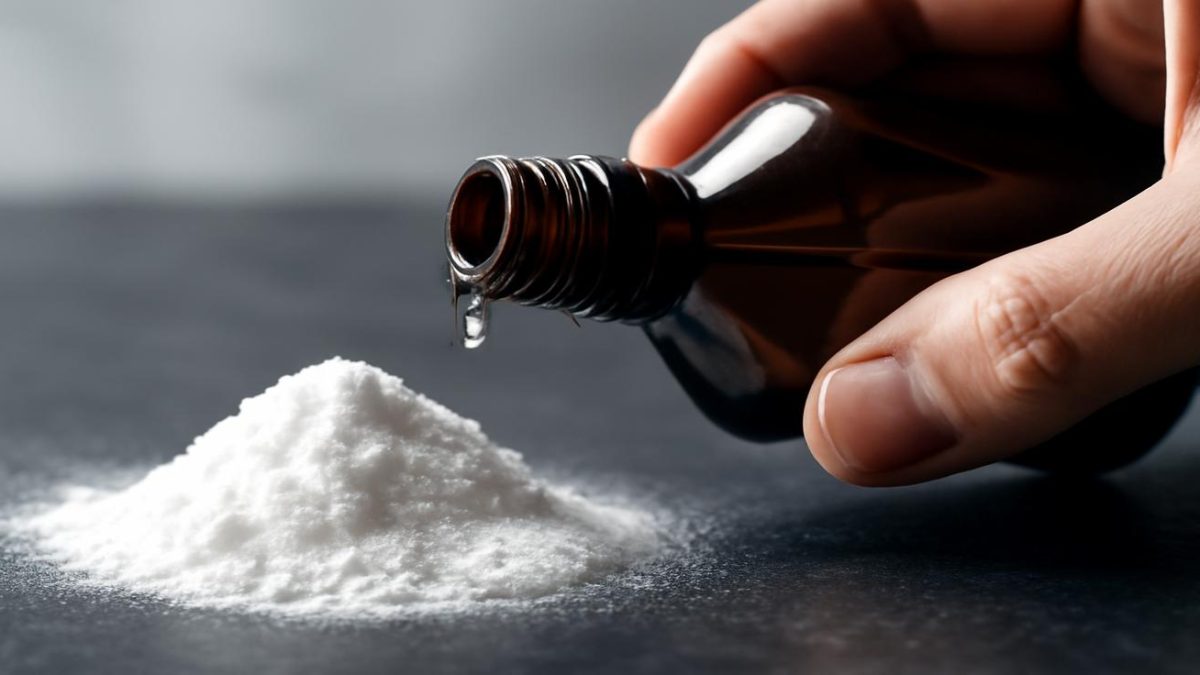
In kitchens, bathrooms, and laundry rooms across America, a humble two-ingredient formula is quietly revolutionizing how families approach cleaning and household maintenance. Baking soda and hydrogen peroxide, two substances that have existed in pantries for generations, are now being championed by cleaning experts and scientists alike as an unexpectedly powerful solution to countless household challenges. What makes this combination particularly compelling is not just its effectiveness, but its safety profile and environmental credentials in an era increasingly concerned with chemical exposure.
Understanding the Chemistry Behind the Partnership
To appreciate why experts are enthusiastically endorsing this pairing, it helps to understand what happens when these two substances interact. Baking soda, chemically known as sodium bicarbonate, is a mild alkaline compound that has been used for centuries in cooking and cleaning applications. Hydrogen peroxide, meanwhile, is an oxidizing agent that breaks down into water and oxygen when it contacts organic materials.
When combined, these two ingredients don’t simply create an additive effect. Instead, they undergo a chemical reaction that produces sodium percarbonate—a compound with powerful cleaning and whitening properties. This transformation amplifies their individual strengths, creating what chemists describe as a synergistic cleaning agent. The fizzing action you observe when mixing them is actually oxygen bubbles forming, which physically dislodge dirt particles from surfaces while the chemical components work simultaneously to break down stains at a molecular level.
Dr. Margaret Chen, a chemist specializing in household cleaning formulations, explains that this combination works particularly well because it addresses multiple cleaning challenges at once. “You’re getting both mechanical action from the fizzing and chemical action from the oxidation process,” she notes. “It’s why this combination outperforms using either ingredient alone.”
Beyond Basic Surface Cleaning
While many people associate this combination with simple surface cleaning, experts have identified an astonishingly diverse range of applications that extend far beyond wiping down countertops. Recent research from household maintenance professionals reveals that this duo addresses problems homeowners spend considerable money attempting to solve with specialized commercial products.
Laundry represents one area where the combination truly shines. When applied as a pre-treatment or added to wash cycles, the paste effectively removes stubborn protein stains like blood, grass, and food residues. The oxidizing properties of hydrogen peroxide specifically target chromophores—the molecules responsible for color in stains—while baking soda’s mild abrasiveness and alkalinity help lift embedded particles from fabric fibers. Unlike chlorine bleach, this combination works safely on colored fabrics and delicate materials.
Bathroom surfaces represent another frontier where this combination demonstrates remarkable efficacy. Soap scum, hard water deposits, and mildew respond particularly well to this treatment. The fizzing action penetrates grout lines and tile crevices that conventional cleaning methods struggle to reach. Homeowners report that tub and shower surfaces cleaned with this combination maintain their brightness longer than those treated with commercial bathroom cleaners.
Dental and Personal Care Applications
Perhaps most intriguingly, dentists and oral health professionals have begun recommending diluted versions of this combination for maintaining oral hygiene. A paste of baking soda with a small amount of hydrogen peroxide has been shown to remove surface stains from teeth while gently polishing enamel. The antimicrobial properties of hydrogen peroxide help reduce bacteria in the mouth, while baking soda’s mild abrasive nature removes plaque without the harshness of some commercial whitening products.
Dermatologists have similarly noted that this combination addresses various skin concerns. A diluted paste applied to minor blemishes can help reduce inflammation and prevent bacterial growth. When used as a gentle facial exfoliant, the combination removes dead skin cells without the irritation associated with harsher exfoliating agents. Athletes particularly appreciate this combination for foot care, using it to treat stubborn fungi and maintain healthy nail beds.
Fresh Perspectives on Produce Safety
Food safety experts have recently explored using this combination to clean produce. A solution of hydrogen peroxide and baking soda effectively removes pesticide residues and bacteria from fruits and vegetables more thoroughly than water alone. The gentle nature of this combination makes it suitable for delicate produce like berries and leafy greens, which can be damaged by harsh scrubbing or stronger chemical solutions.
Environmental scientists appreciate this application because it provides an effective alternative to commercial produce washes, many of which introduce their own chemical residues. The combination breaks down into harmless byproducts, leaving no chemical residue on food items.
Odor Elimination and Air Freshening
Beyond visible dirt and stains, this combination addresses one of modern households’ persistent challenges: persistent odors. When applied to carpets, upholstered furniture, or mattresses, the combination not only neutralizes odor-causing compounds but also kills the bacteria and fungi responsible for creating those odors in the first place. Unlike fragrance-based air fresheners that merely mask problems, this approach eliminates their underlying causes.
Pet owners particularly champion this application, using the combination to address accidents and maintain fresh-smelling living spaces without relying on strong-smelling chemical products that can trigger allergies or respiratory sensitivity.
The Safety and Sustainability Advantage
What fundamentally distinguishes this combination from commercial alternatives is its impressive safety profile. Neither ingredient presents the hazardous risks associated with many industrial cleaners. They don’t produce toxic fumes when mixed together, unlike certain combinations of common household chemicals. This makes the combination particularly valuable for households with children, elderly residents, or pets.
The sustainability angle cannot be overlooked either. Both ingredients are inexpensive, widely available, and their production requires minimal environmental impact compared to specialized cleaning formulations. Households adopting this combination typically reduce their chemical waste and consumption of single-use cleaning product containers.
Practical Implementation and Best Practices
For maximum effectiveness, experts recommend using food-grade hydrogen peroxide at three percent concentration, the standard strength found in drugstores. The ratio typically suggested is equal parts baking soda and hydrogen peroxide, creating a thick paste. For specific applications, dilution with water may be appropriate.
The combination works best on problems requiring soaking or sitting time, allowing the chemical reaction to thoroughly work on the targeted area. For most applications, allowing ten to fifteen minutes of contact time yields superior results compared to immediate rinsing.
Looking Forward
As research continues exploring the full potential of this combination, we’re likely to discover additional applications that further challenge our reliance on specialized commercial cleaners. What started as an economical alternative has evolved into a scientifically validated solution addressing multiple household challenges with remarkable efficiency and minimal environmental impact. For households seeking safer, more sustainable approaches to cleaning and personal care, this powerful pairing deserves serious consideration.









Leave a Comment