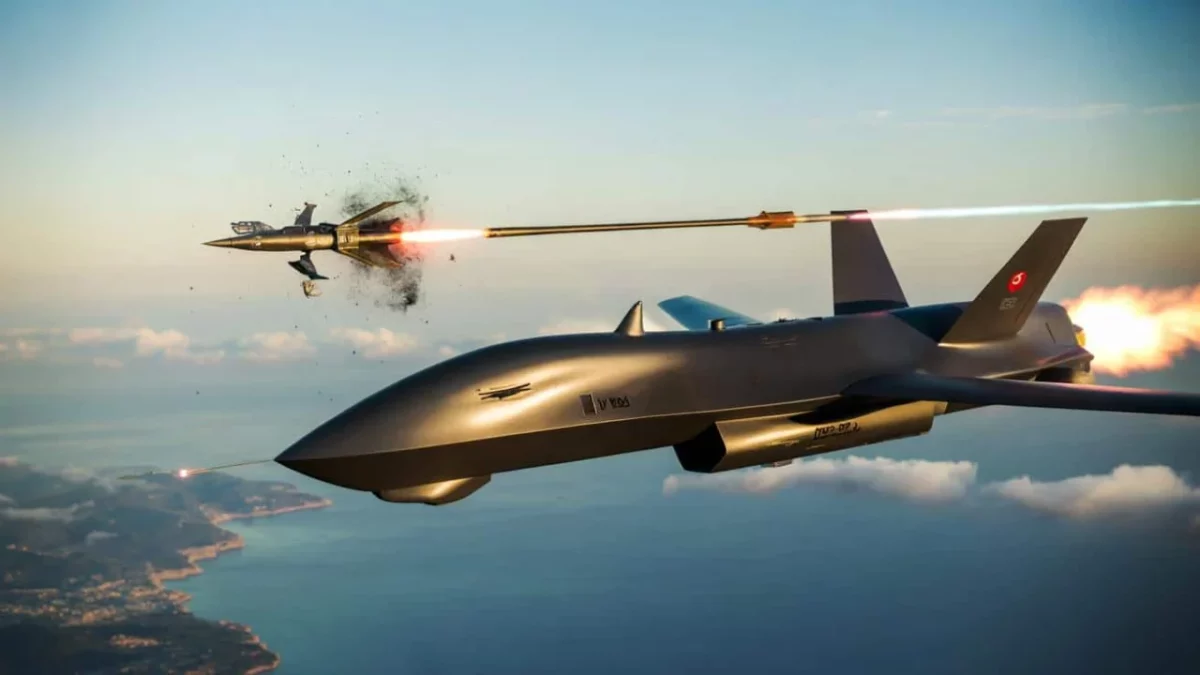
The skies above testing grounds recently witnessed an extraordinary moment that defense analysts worldwide are still processing. Turkey successfully demonstrated what many considered impossible: an unmanned aerial vehicle equipped with advanced targeting systems intercepting and eliminating a supersonic target traveling at hypersonic velocities. This achievement transcends typical drone accomplishments and ventures into territory previously dominated exclusively by highly trained human pilots commanding cutting-edge fighter jets.
Breaking Through the Supersonic Barrier
For decades, engaging supersonic targets has represented the pinnacle of aerial combat capability. Fighter pilots undergo thousands of hours of training, developing intuition and reflexive responses to track and engage aircraft moving faster than the speed of sound. The cognitive demands are extraordinary—pilots must calculate trajectory, compensate for extreme speed variations, manage g-forces on their bodies, and make split-second tactical decisions while operating sophisticated weaponry systems.
What makes Turkey’s achievement so significant is that a drone accomplished this feat autonomously or semi-autonomously, removing the human element from the equation entirely. The unmanned system had to process incoming data, calculate intercept courses, adjust in real-time, and successfully strike a target moving at speeds that would be lethal to any human pilot attempting the same maneuver.
The technical specifications involved in this intercept are mind-boggling. Supersonic targets present minimal reaction windows—measured in seconds rather than minutes. The drone’s guidance systems had to lock onto a fast-moving object, predict its trajectory accounting for atmospheric conditions, and maintain lock while closing the distance for a successful engagement. Every microsecond of processing delay could have resulted in mission failure.
The Technology Behind the Breakthrough
Turkey’s drone system represents a convergence of multiple advanced technologies working in perfect synchronization. The platform combines sophisticated radar systems capable of detecting and tracking supersonic objects, artificial intelligence-driven targeting algorithms, real-time sensor fusion, and propulsion systems with adequate acceleration to achieve interception geometry.
The radar technology alone represents a significant achievement. Tracking supersonic targets requires systems that can update tracking solutions dozens of times per second, filtering out false positives while maintaining lock on a rapidly moving objective. Turkish engineers developed systems sensitive enough to detect the target from considerable distances while robust enough to operate reliably in contested electromagnetic environments.
The artificial intelligence component handles the complexity of flight path prediction and intercept calculations. Rather than following pre-programmed responses, the drone’s systems analyze target behavior patterns, adjust engagement strategies dynamically, and optimize approach vectors. This represents a fundamental shift from traditional ballistic intercept solutions toward intelligent, adaptive engagement platforms.
Implications for Global Defense Strategy
This single successful test has triggered reassessment across military establishments worldwide. Nations investing heavily in supersonic aircraft programs now face uncomfortable questions about the viability of their systems in conflicts against technologically advanced opponents with similar drone capabilities.
The psychological impact on pilot training programs cannot be understated. If unmanned systems can now reliably engage supersonic targets, the role of human pilots necessarily transforms. Rather than serving as primary engagement platforms, fighter pilots may increasingly serve as command nodes, deploying unmanned assets while remaining at safer distances from threats. This represents a paradigm shift in how air forces conceptualize their operational structure.
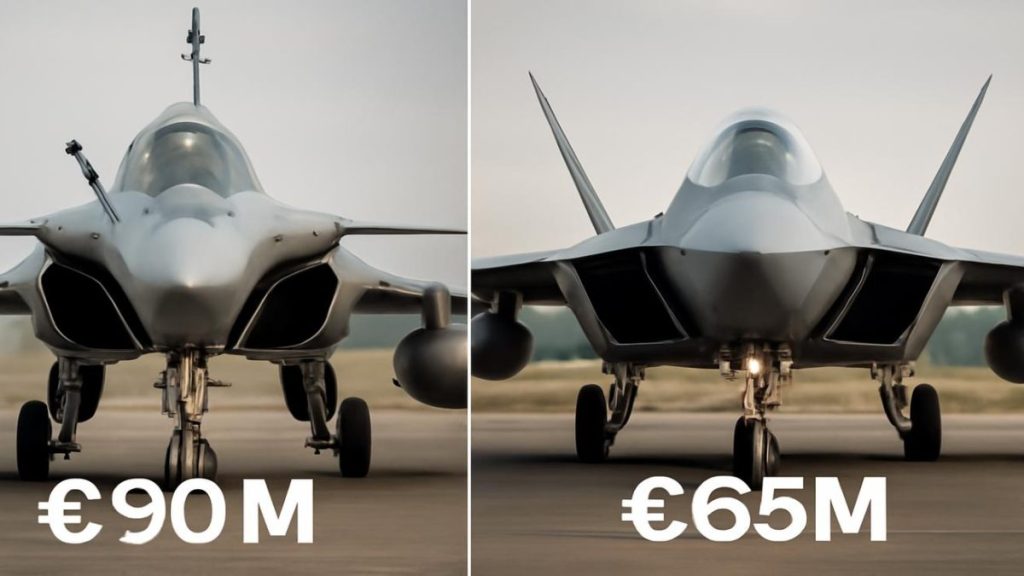
Additionally, the cost-benefit analysis of advanced fighter aircraft suddenly becomes more complicated. Developing, producing, and maintaining modern supersonic fighters represents enormous financial investment for individual nations. If relatively economical drone systems can neutralize these platforms, the return on investment for expensive manned aircraft diminishes considerably.
Questions About Future Aerial Warfare
Turkey’s success raises profound questions about the trajectory of modern warfare. Will nations continue investing in increasingly sophisticated manned aircraft, or will defense budgets pivot toward autonomous systems capable of similar performance at fraction of the cost? The answer likely involves both platforms working in complementary roles rather than one replacing the other entirely.
Another critical consideration involves electromagnetic warfare and defensive systems. Turkey’s drone system operated effectively in what was presumably a controlled testing environment. Real-world combat scenarios involve electronic countermeasures, jamming systems, and hostile electronic warfare environments that could degrade system performance. Military strategists are carefully analyzing whether the success translates to actual combat conditions.
The autonomous weapons debate intensifies following this announcement. Ethicists, military strategists, and international relations experts now grapple with whether systems making targeting decisions without direct human authorization cross moral and legal boundaries. This achievement will undoubtedly influence discussions at international policy forums regarding autonomous weapons regulation.
Turkish Defense Innovation Leadership
This breakthrough positions Turkey as a significant player in military technology innovation, not merely as a buyer of foreign defense systems. The country has invested substantially in developing indigenous defense capabilities, and this achievement validates that strategic investment. Turkish engineers and scientists have demonstrated they can compete with global leaders in cutting-edge military technology development.
The success also reflects broader Turkish defense industry growth, particularly in unmanned systems development. Turkish companies have gained recognition for producing competitive drone platforms, and this achievement enhances their international standing considerably. Defense contracts and technology partnerships will likely follow as nations seek to understand and potentially acquire similar capabilities.
What This Means Moving Forward
Turkey’s achievement represents a watershed moment in aviation and defense technology. The capability to autonomously engage supersonic targets existed in theoretical frameworks, but translating theory into successful practical demonstration changes everything. This accomplishment will accelerate research programs globally, as nations recognize the strategic advantage such systems provide.
The next decade will likely see rapid proliferation of similar technologies as military establishments worldwide race to develop their own supersonic-capable drone systems. This competitive dynamic will drive innovation, reduce costs through economies of scale, and fundamentally alter how nations approach air defense strategy.
Ultimately, Turkey’s historic achievement reminds us that technological progress in military applications moves faster than policy frameworks can accommodate. The international community must begin serious discussions about how these capabilities fit within existing defense treaties, international law, and ethical frameworks governing armed conflict. The machine that can do what fighter pilots train for years to accomplish has arrived, and the world is only beginning to understand the implications.








Leave a Comment