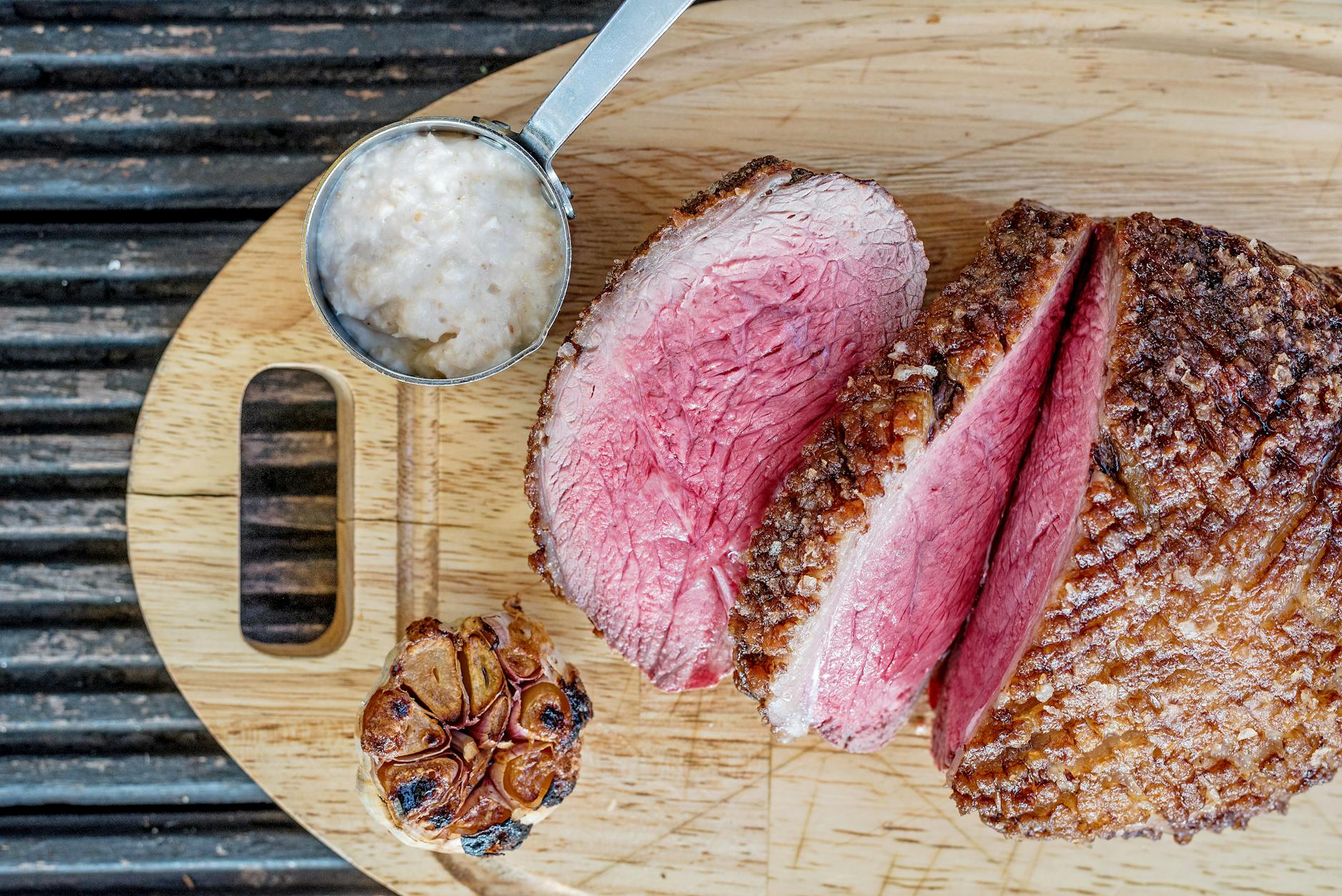
When most home cooks think about slow-cooking beef, their minds immediately jump to the familiar standbys: chuck roast, brisket, or perhaps short ribs. These cuts have earned their reputation through decades of reliable performance in slow cookers and Dutch ovens. However, walk into a well-established butcher shop and engage the seasoned professionals behind the counter in genuine conversation about their personal slow-cooking preferences, and you’ll discover something intriguing. There’s a particular cut that these meat experts quietly recommend to discerning customers, a selection that remains largely absent from mainstream cooking blogs and celebrity chef kitchens.
The Cut That Deserves More Attention
The chuck eye roast, sometimes called the chuck eye roll or delmonico roast, represents one of the beef world’s best-kept secrets. This cut comes from the chuck primal, which sits at the shoulder region of the cattle. While the chuck is famous for producing ground beef and standard chuck roasts, the chuck eye occupies a special position within this primal section. It’s located near the ribeye area, which means it carries slightly more marbling and tenderness than typical chuck meat while maintaining the rich, beefy character that makes slow-cooked beef so satisfying.
What makes butchers particularly enthusiastic about recommending this cut is the combination of factors it brings to the table. The chuck eye roast contains sufficient collagen and connective tissue to break down beautifully during long, slow cooking, creating that fall-apart tenderness that slow-cooking enthusiasts crave. Simultaneously, it retains enough intramuscular fat to stay moist and develop complex flavors as it braises for hours in liquid.
Why Professional Butchers Know Better
Experienced butchers understand meat in ways that casual consumers often don’t. They spend their careers studying the anatomical structure of beef, learning how different muscles function in a living animal, and understanding how those functional characteristics translate to cooking properties. When they quietly recommend the chuck eye roast for slow cooking, they’re drawing on this deep knowledge base.
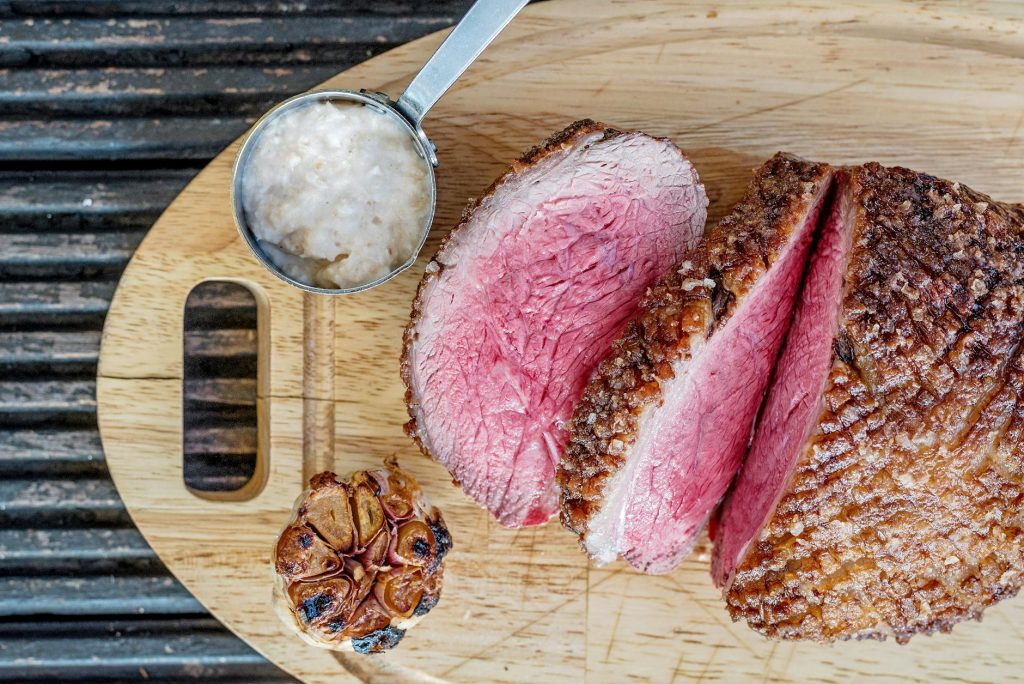
The reason butchers favor this cut has everything to do with value and results. Chuck eye roasts typically cost less per pound than brisket or prime rib cuts, yet deliver comparable tenderness and richer flavor when properly slow-cooked. For a butcher shop owner or employee who genuinely wants satisfied customers returning for repeat business, this represents the ideal recommendation. It’s not flashy or trendy, but it works exceptionally well.
Furthermore, the chuck eye roast presents fewer challenges than some alternative cuts. Brisket, while delicious, requires careful trimming and specific cooking techniques to avoid becoming tough or overly fatty. Short ribs can be prohibitively expensive. Shoulder roasts can sometimes feel stringy if not cooked precisely right. The chuck eye roast, by contrast, is remarkably forgiving. It takes well to various seasonings and cooking liquids, doesn’t require elaborate preparation, and consistently produces excellent results even for home cooks experimenting with slow-cooking for the first time.
Cooking the Chuck Eye Roast to Perfection
The optimal approach to slow-cooking a chuck eye roast follows principles that have worked for generations. Begin by selecting a roast weighing between three and five pounds—large enough to feed a family with leftovers, but small enough to fit comfortably in a standard slow cooker. Pat the meat dry with paper towels, then season generously with salt and pepper or your preferred spice blend. The dry surface helps develop a flavorful crust when you sear the meat.
Searing the roast in a hot skillet before slow-cooking might seem like an extra step, but it’s worth the effort. This initial browning develops complex flavors through the Maillard reaction, which creates depth that slow-cooking alone cannot achieve. After searing on all sides, transfer the roast to your slow cooker along with your choice of vegetables and braising liquid. Beef broth, red wine, or combinations of both work beautifully. Add aromatics like onions, garlic, and herbs—thyme and rosemary are traditional choices, but experimentation is encouraged.
Cook on low heat for eight to ten hours, depending on your specific slow cooker and the size of your roast. The meat should be tender enough to pull apart easily with a fork when properly cooked. Many experienced cooks check for doneness by inserting a knife into the thickest part; the blade should meet minimal resistance if cooking is complete.
The Flavor Profile and Versatility
One significant advantage the chuck eye roast offers is its remarkable versatility. The beef’s robust, beefy flavor stands up well to bold seasonings and hearty ingredients. It works beautifully in traditional pot roast applications with carrots, potatoes, and onions. It also shines in international cuisines—consider using it for Korean beef stews, French braised beef, or Mexican-style slow-cooked meat preparations.
The rendered fat creates a naturally rich sauce that needs minimal thickening. Many cooks simply strain the cooking liquid and spoon the flavorful juice over sliced meat and vegetables. For those preferring a thicker gravy, a simple slurry of cornstarch and water added during the final thirty minutes of cooking works perfectly.
Finding Quality Chuck Eye Roasts
Not all chuck eye roasts are created equal. When visiting your butcher shop, ask specifically for this cut by name. A knowledgeable butcher will know exactly what you mean and can show you the available options. Look for meat that displays good marbling—visible lines of fat throughout the muscle—rather than meat that appears uniformly lean. This intramuscular fat is essential for flavor development and moisture retention during long cooking.
You may need to special-order chuck eye roasts if your butcher doesn’t routinely stock them. Most professional butchers are happy to accommodate such requests, often requiring just a day or two’s notice. Building a relationship with your local butcher increases the likelihood that they’ll set aside premium examples of cuts you favor.
Final Thoughts
The chuck eye roast remains one of the beef world’s underappreciated treasures, cherished by butchers and discriminating home cooks but largely overlooked by mainstream food media. This quiet recommendation from meat professionals deserves wider recognition. For anyone seeking to improve their slow-cooking results without breaking the bank, discovering this particular cut represents a genuine culinary win. Start with the butcher’s favorite, and you might just wonder why you ever cooked beef any other way.










Leave a Comment