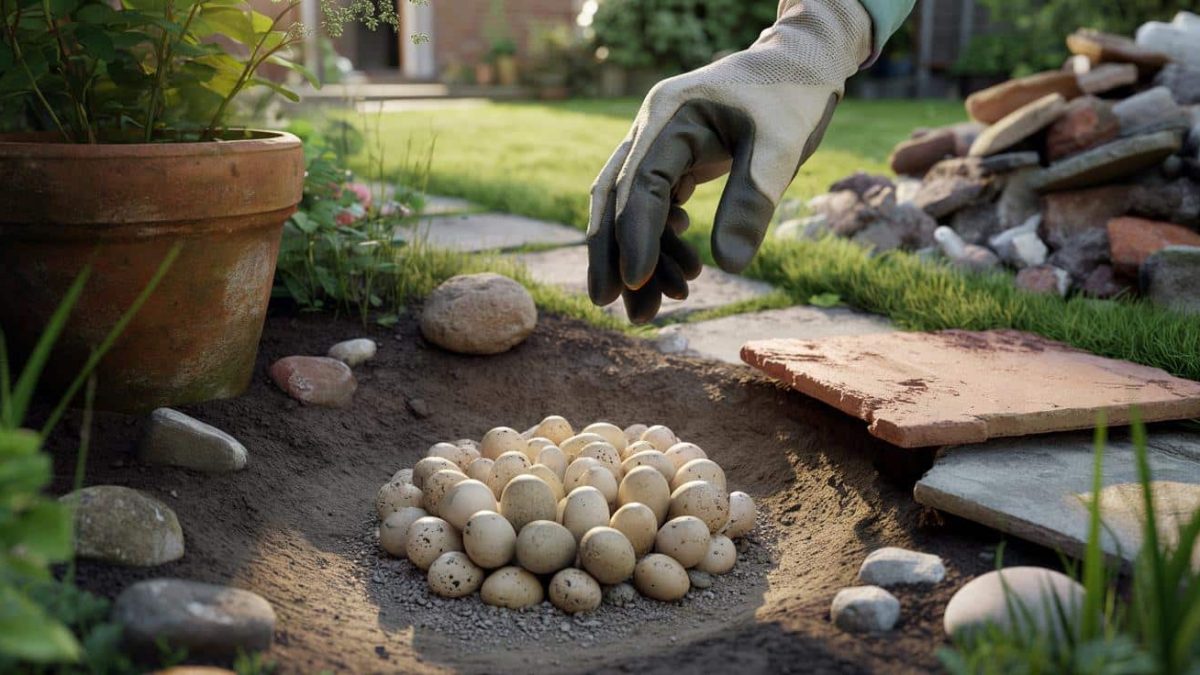
A peaceful Saturday morning in your garden takes an unexpected turn when you notice peculiar, stone-like formations clustered near your flower beds or vegetable patches. Before you instinctively remove them or brush them away, stop. Those innocent-looking pebbles might be something far more significant—and protected by law.
The Hidden Treasure in Your Garden
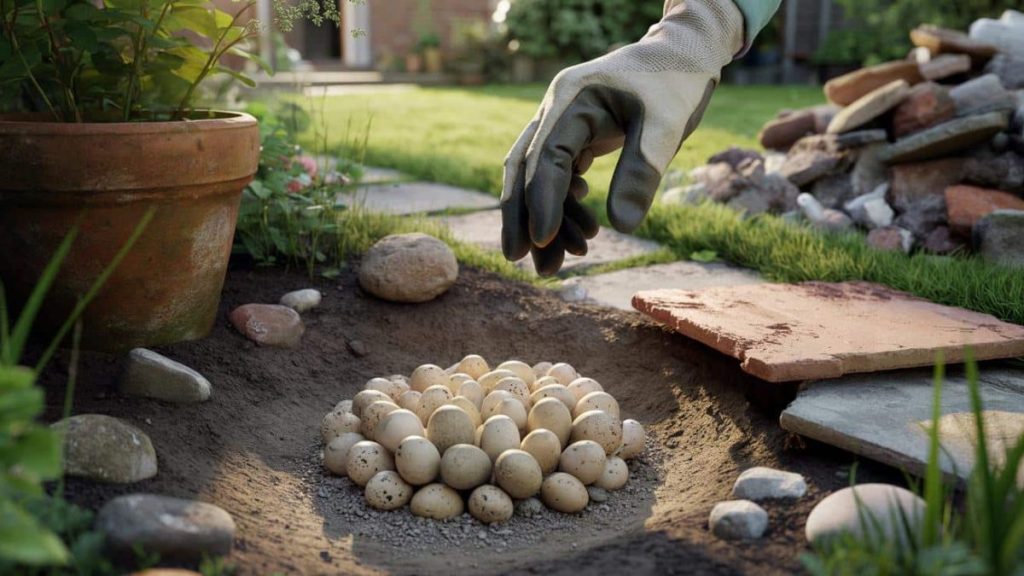
Many gardeners encounter mysterious clusters of small, rounded objects that closely resemble pebbles or gravel scattered across their properties. These formations are often dismissed as natural debris, yet they frequently represent something extraordinary: the eggs of protected amphibian species. Understanding what you’re looking at could literally save you from devastating legal and financial consequences.
The most common culprits behind these stone-like egg clusters are common toads and several protected frog species. During their breeding season, typically between March and May in temperate climates, these amphibians migrate to water sources and damp areas in gardens to lay their eggs. What makes them appear like pebbles is their protective outer membrane, which creates a jelly-like substance that hardens slightly and contains thousands of tiny eggs arranged in strings or clusters.
Why These Eggs Are Legally Protected
The reason these humble-looking egg clusters carry such severe legal protection stems from conservation efforts enacted decades ago. Many amphibian species face dramatic population declines due to habitat loss, pesticide use, pollution, and climate change. European and international environmental protection laws recognize these creatures as essential components of healthy ecosystems.
Toads and certain frog species are particularly valuable because they serve as natural pest controllers, consuming vast quantities of insects daily. A single toad can devour hundreds of insects in one night, making them invaluable allies for organic gardeners. Beyond their practical benefits, these amphibians are bioindicators—their presence and health reflect the overall environmental quality of an area.
The legal framework protecting these species extends not just to the adult animals but to their eggs and developmental stages. This comprehensive protection recognizes that damaging eggs prevents entire generations from contributing to ecosystem health.
Understanding the Financial Consequences
The €150,000 fine mentioned in protective legislation isn’t an exaggeration or theoretical maximum—it represents genuine legal penalties enforced by environmental protection agencies across Europe. This substantial figure reflects the serious nature of disturbing protected species and their breeding habitats.
Beyond the immediate fine, other legal consequences can accompany violations. These may include mandatory habitat restoration costs, which can escalate into tens of thousands of euros for projects requiring professional environmental contractors. Legal fees for defending against charges, even if ultimately unsuccessful, represent additional financial burdens that homeowners rarely anticipate.
The severity of penalties has been calibrated to make protection economically rational for property owners. By imposing meaningful financial consequences, environmental protection frameworks create strong incentives for respectful coexistence with protected species rather than treating them as garden nuisances.
How to Identify Protected Amphibian Eggs
Recognition is your first line of defense against accidental legal violations. Common toad eggs typically appear as long, transparent jelly-like strings filled with black eggs arranged in patterns. These strings can reach several meters in length and often drape across vegetation or pool margins. The jelly itself provides protection and camouflage, making eggs blend with their surroundings.
Frog eggs, conversely, usually form rounded clusters or masses that resemble cloudy jelly balls. These clusters might contain hundreds or thousands of individual eggs and are typically found in water or very damp soil. Unlike toad eggs, frog egg masses are more compact and gelatinous.
The key distinguishing feature separating protected species eggs from other garden deposits is their organized, purposeful arrangement. Random pebbles and debris lack the structural integrity and uniform patterning characteristic of amphibian eggs.
What To Do If You Discover These Eggs
Discovery of suspected protected species eggs initiates a specific protocol. Your first action should be leaving them completely untouched. Do not attempt to move, remove, or relocate the eggs yourself, regardless of your intentions or expertise level. Even well-meaning relocation can damage eggs or separate them from optimal environmental conditions required for development.
Instead, contact your local environmental protection agency or wildlife conservation organization. These professionals can accurately identify the species and provide appropriate guidance. In many cases, they can assist with habitat modifications that support successful egg development while minimizing disruption to your garden plans.
Most agencies prefer notification to discovery followed by accidental disturbance. Documenting your discovery and reporting it demonstrates good faith compliance with environmental protection laws and protects you legally.
Creating a Garden-Friendly Ecosystem
Rather than viewing protected amphibians as obstacles, consider them beneficial garden residents. Creating conditions that support their breeding actually enhances your garden’s ecological value and pest management capabilities.
Leaving undisturbed damp areas, maintaining shallow water sources, and reducing pesticide application naturally encourages amphibian populations. These changes simultaneously support numerous other beneficial insects and wildlife while potentially lowering your garden maintenance burden.
Final Thoughts
That cluster of pebble-like objects in your garden represents more than potential legal liability—it represents the opportunity to participate actively in species conservation. By recognizing and respecting protected amphibian eggs, you transform your garden into a sanctuary for vulnerable wildlife. The investment in understanding what you’ve discovered protects both your finances and contributes meaningfully to environmental preservation for future generations.











Leave a Comment