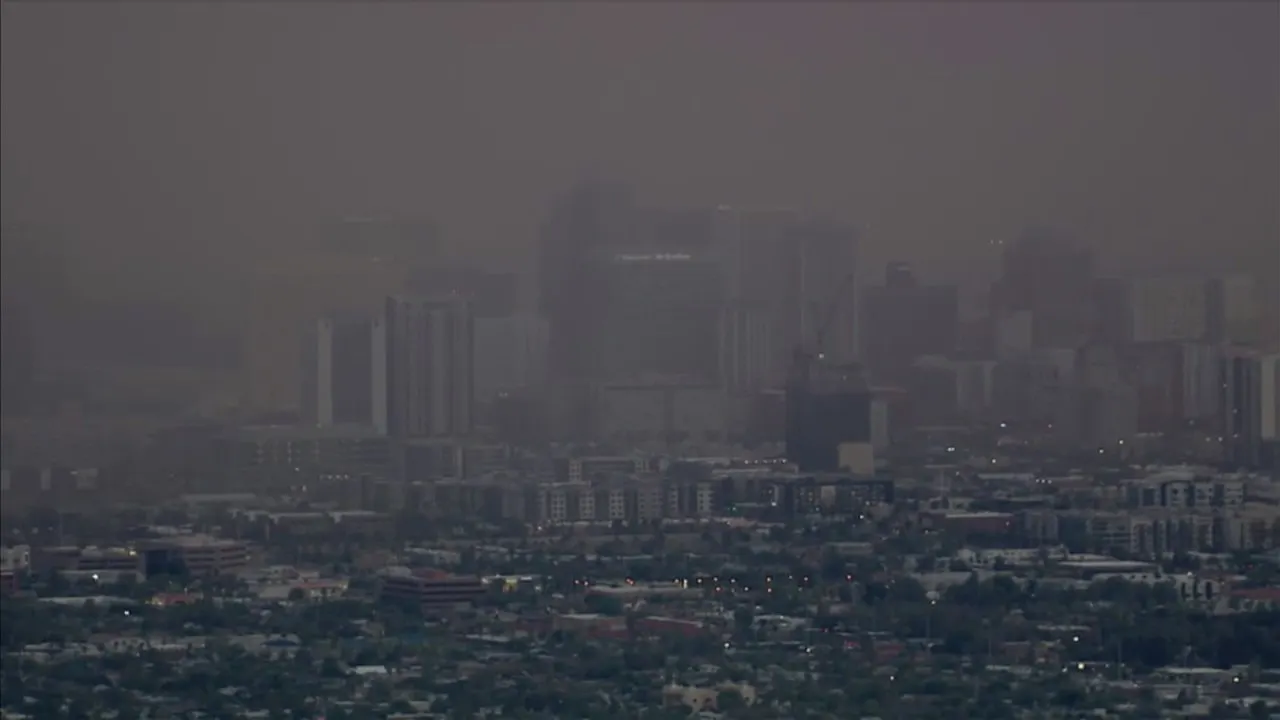
Residents across Arizona and California are being urged to stay indoors as a combination of hazardous weather and air quality conditions sweeps across the Southwest and West Coast. Authorities say the situation is serious, with risks ranging from breathing difficulties and heat-related illness to reduced visibility and travel disruptions.
Officials stress that these warnings are precautionary but critical, especially for children, older adults, and people with underlying health conditions. As conditions evolve, millions are being advised to limit outdoor activity and closely follow local alerts.
What’s Happening Right Now
Across parts of Arizona, fast-moving dust storms and extreme heat have created dangerous conditions. In California, poor air quality driven by wildfire smoke, stagnant smog, and heat-trapping weather patterns is pushing pollution levels into unhealthy ranges.
Emergency management agencies say the overlapping hazards make this event particularly concerning. Even healthy adults may feel the effects after short periods outdoors, while vulnerable groups face heightened risk.
Arizona: Dust, Heat, and Visibility Dangers
Large areas of Arizona are facing blowing dust combined with intense heat. Sudden dust walls can appear with little warning, slashing visibility on roads and triggering respiratory distress.
Key Risks in Arizona
-
Dust storms reducing visibility to near zero in some areas
-
Extreme heat increasing dehydration and heat exhaustion risk
-
Poor air quality aggravating asthma and lung conditions
Health officials warn that fine dust particles can penetrate deep into the lungs. Emergency rooms often see spikes in breathing-related complaints during these events.
Drivers are being urged to avoid travel when dust storms are active. If caught on the road, officials recommend pulling off safely, turning off lights, and staying inside the vehicle until visibility improves.
California: Air Quality Alerts and Heat Traps
In California, a mix of wildfire smoke, urban smog, and prolonged heat is leading to unhealthy air conditions across multiple regions. Air quality alerts are in effect, with officials advising residents to stay indoors whenever possible.
Why California’s Air Is So Dangerous Right Now
-
Wildfire smoke carrying fine particles over long distances
-
Temperature inversions trapping pollution close to the ground
-
Heat waves intensifying ozone formation
Air pollution at these levels can cause coughing, chest tightness, headaches, and fatigue. Long-term exposure, even over a few days, can have lasting health impacts.
Who Is Most at Risk
Authorities emphasize that while everyone should take precautions, some groups face much higher danger:
-
Older adults
-
Children and infants
-
Pregnant individuals
-
People with asthma, COPD, or heart disease
-
Outdoor workers
For these groups, even brief outdoor exposure can be harmful.
What Officials Are Advising Residents to Do
Public safety agencies across both states are sharing consistent guidance aimed at reducing health risks.
Stay Indoors Whenever Possible
Keep windows and doors closed. Use air conditioning if available, and set systems to recirculate indoor air.
Improve Indoor Air Quality
-
Use HEPA air purifiers if you have them
-
Avoid burning candles or incense
-
Do not vacuum unless it has a HEPA filter
Limit Physical Activity
Avoid outdoor exercise and strenuous indoor activity that can increase breathing rate.
Stay Hydrated
Heat worsens the impact of poor air quality. Drink water regularly, even if you don’t feel thirsty.
Schools, Workplaces, and Public Events Affected
Several school districts and local authorities are modifying schedules, canceling outdoor activities, or moving events indoors. Employers are being encouraged to adjust work conditions for outdoor staff, including providing breaks, shade, and protective equipment.
Community centers and libraries are opening as cooling and clean-air spaces for residents without access to air conditioning or filtration at home.
Travel and Transportation Impacts
Poor visibility in Arizona and smog-related advisories in California are affecting travel plans.
-
Flights may experience delays due to reduced visibility
-
Highways could close temporarily during severe dust events
-
Public transit agencies are issuing service advisories
Travelers are advised to check conditions before leaving and delay non-essential trips.
Health Symptoms to Watch For
Medical professionals say people should seek help if they experience:
-
Shortness of breath
-
Persistent coughing or wheezing
-
Chest pain or tightness
-
Dizziness or confusion
-
Severe fatigue
Ignoring these symptoms can lead to serious complications, especially during prolonged exposure.
Why These Events Are Becoming More Common
Experts point to a mix of climate patterns, prolonged drought, and rising temperatures. Dry soils increase dust storm intensity, while longer fire seasons and hotter summers worsen air pollution.
Urban growth also plays a role, as vehicle emissions and industrial activity contribute to smog during stagnant weather conditions.
How Long Will This Last?
Forecasts suggest conditions may fluctuate over the coming days. Some areas could see brief improvement, followed by renewed alerts as weather patterns shift.
Officials urge residents not to let their guard down, even if skies look clearer. Harmful particles are often invisible.
Staying Informed Is Critical
Residents should:
-
Monitor local emergency alerts
-
Check daily air quality indexes
-
Follow instructions from health departments
Authorities say timely action can significantly reduce health risks during events like this.
Community Response and Preparedness
Local governments, hospitals, and volunteer organizations are coordinating to ensure vulnerable populations receive support. Outreach efforts include wellness checks, public advisories, and distribution of masks in high-risk areas.
Public officials stress that community awareness and cooperation are essential to prevent avoidable medical emergencies.
Final Word for Residents
This is not a situation to ignore. Whether it’s dust-filled skies in Arizona or polluted air in California, the message from officials is clear: staying inside can save lives.
By limiting exposure, checking on neighbors, and following official guidance, communities can get through this dangerous period more safely.






Leave a Comment