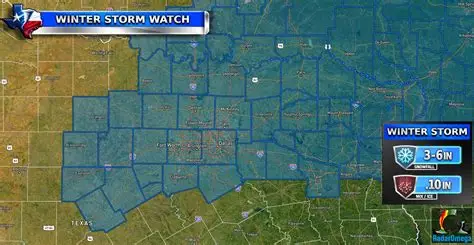
A massive winter storm is poised to impact a large portion of the United States, with more than 180 million people from Texas to New England potentially affected.
Forecasters warn the sprawling system could bring a dangerous mix of damaging ice, heavy snow, and treacherous travel conditions across multiple regions.
The storm’s size, intensity, and long duration make it one of the most significant winter weather threats of the season, raising concerns for power outages, road safety, and widespread disruptions.
Massive Winter Storm Takes Aim at a Large Swath of the U.S.
Meteorologists are tracking a powerful winter storm expected to stretch from the Southern Plains to the Northeast, affecting nearly half the country.
The storm is forecast to evolve as it moves east, producing heavy snow in colder northern zones while generating significant ice accumulation in parts of the South and Midwest.
Because of its expansive footprint, impacts will vary widely by location, but forecasters agree the system poses serious risks across multiple states.
Why This Winter Storm Is So Concerning
A Wide Range of Hazards
Unlike localized snowstorms, this system is expected to bring multiple types of dangerous weather.
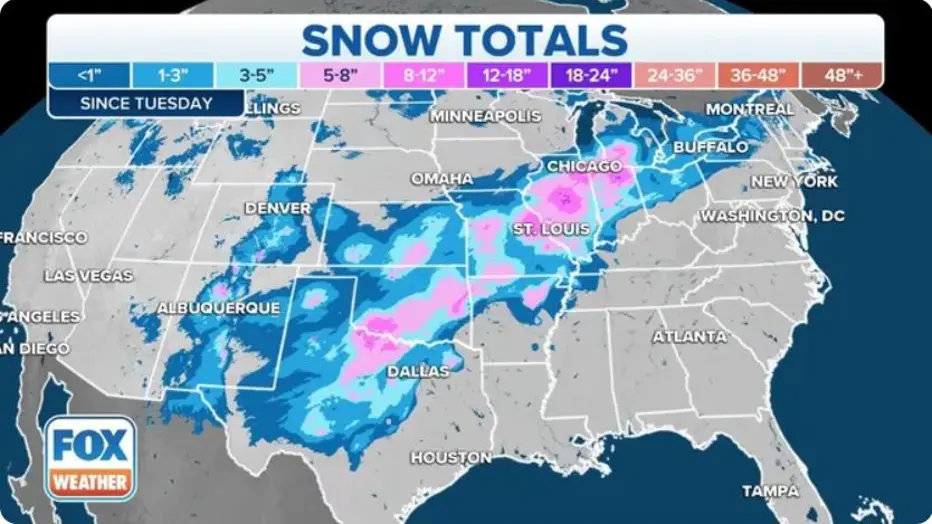
Heavy snow could blanket portions of the Midwest, Great Lakes, and interior Northeast, while freezing rain and sleet threaten areas farther south.
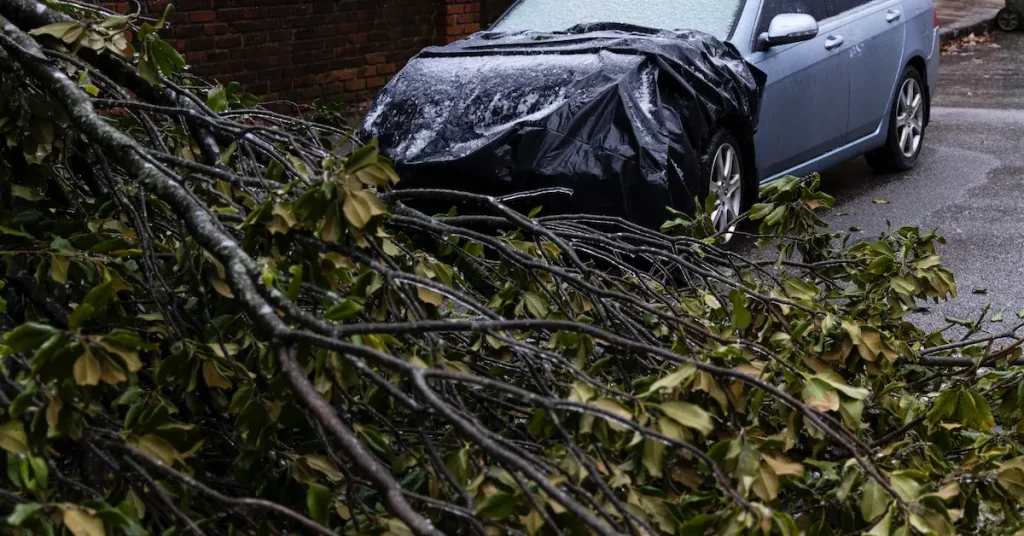
Ice accumulation is especially concerning, as even small amounts can lead to power outages and hazardous road conditions.
Population Centers Directly in the Path
Major metropolitan areas, including Dallas, St. Louis, Chicago, Philadelphia, New York City, and Boston, lie within zones expected to see impacts.
The storm’s reach means millions of commuters, travelers, and residents may experience disruptions over several days.
Timeline: How the Storm Is Expected to Unfold
Initial Impacts in Texas and the Southern Plains
The storm is forecast to begin affecting Texas and neighboring states as cold air collides with moisture moving in from the south.
Some areas could see freezing rain or sleet early, creating dangerous driving conditions on untreated roads and bridges.
Expansion Into the Midwest and Ohio Valley
As the system strengthens, snow is expected to spread northward and eastward into the Midwest and Ohio Valley.
Forecasters warn that snowfall rates could be heavy at times, reducing visibility and making travel difficult or impossible.
Major Impacts Across the Northeast and New England
By the time the storm reaches the Northeast, colder air is expected to support widespread snow, particularly inland.
Coastal areas could see a mix of snow and ice before transitioning to rain, depending on temperatures and storm track.
Heavy Snow Forecast Across Northern Regions
Midwest and Great Lakes
Parts of the Midwest and Great Lakes could see significant snow accumulation.
Cities such as Chicago, Detroit, and Cleveland may experience prolonged snowfall that could disrupt road and air travel.
Interior Northeast
Inland areas of Pennsylvania, New York, and New England are at risk for heavy snow.
Snow totals will depend on how quickly cold air locks in, but forecasters say plowable snow is likely in many locations.
Ice Threat Raises Power Outage Concerns
Southern and Central States
Freezing rain is expected to be a major concern across parts of Texas, the Mid-South, and portions of the Ohio Valley.
Ice accumulation on trees and power lines can lead to outages, particularly when combined with gusty winds.
Urban and Rural Impacts
Urban areas may face traffic gridlock, while rural communities could see extended power restoration times due to difficult access.
Utility companies are preparing crews ahead of the storm.
Official Warnings and Preparedness Efforts
The National Weather Service has issued winter storm watches, ice storm warnings, and winter weather advisories across large portions of the country.
Emergency management agencies are urging residents to prepare for several days of hazardous conditions.
Officials emphasize that travel may become dangerous or impossible in some areas during peak impacts.
Public Reaction as the Storm Approaches
As forecasts highlight the storm’s potential severity, residents across the affected regions are taking precautions.
Grocery stores and hardware retailers have reported increased demand for essentials, including food, batteries, and ice melt.
On social media, many travelers are already adjusting plans, while school districts and businesses are closely monitoring conditions.
Travel and Infrastructure Impacts Expected
Road Travel
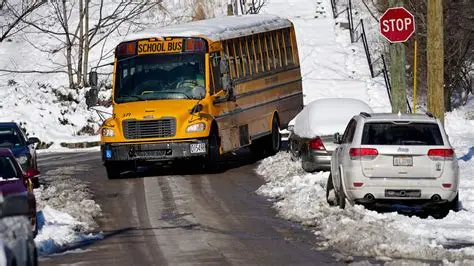
Snow- and ice-covered roads could lead to accidents, road closures, and significant delays.
Transportation departments are preparing plows and salt crews, but officials warn conditions may deteriorate faster than crews can respond.
Air Travel
Major airports across the storm’s path may experience delays or cancellations.
Airlines are encouraging passengers to check flight status frequently and consider flexible travel options.
KEY FACTS AT A GLANCE
| Event | Location | Date | Who Is Affected | Current Status | What Readers Should Know |
|---|---|---|---|---|---|
| Massive winter storm | Texas to New England | Multi-day event | Over 180 million residents | Warnings and watches issued | Ice and heavy snow could disrupt travel and power |
What Happens Next as the Storm Develops
Forecast confidence is increasing, but exact snow and ice totals remain uncertain.
Small shifts in storm track or temperature could significantly change local impacts.
Meteorologists will continue refining forecasts as the system moves east, with updates expected multiple times daily.
How Residents Can Prepare Now
Emergency officials recommend several basic preparedness steps:
-
Limit unnecessary travel during peak storm periods
-
Keep emergency supplies on hand
-
Ensure vehicles are winter-ready
-
Monitor local alerts and forecasts
Preparation can reduce risk and help households remain safe during prolonged winter weather.
FREQUENTLY ASKED QUESTIONS
When will the storm begin?
Impacts are expected to start in the Southern Plains before spreading east over several days.
How many people could be affected?
More than 180 million people live within the storm’s projected impact zone.
Will this storm cause power outages?
Ice accumulation increases the risk of outages, especially in southern and central regions.
Which areas will see the most snow?
The Midwest, Great Lakes, and interior Northeast are most likely to see heavy snow.
Is air travel expected to be affected?
Yes. Delays and cancellations are possible at major airports along the storm’s path.
How long could impacts last?
Some regions may experience hazardous conditions for multiple days.
CONCLUSION
A massive winter storm targeting more than 180 million people from Texas to New England underscores the far-reaching impacts of this weather system.
With threats ranging from heavy snow to potentially damaging ice, officials urge residents to stay informed and prepared.
As the storm unfolds, updated forecasts and advisories will be critical in helping communities respond safely to evolving conditions.







Leave a Comment