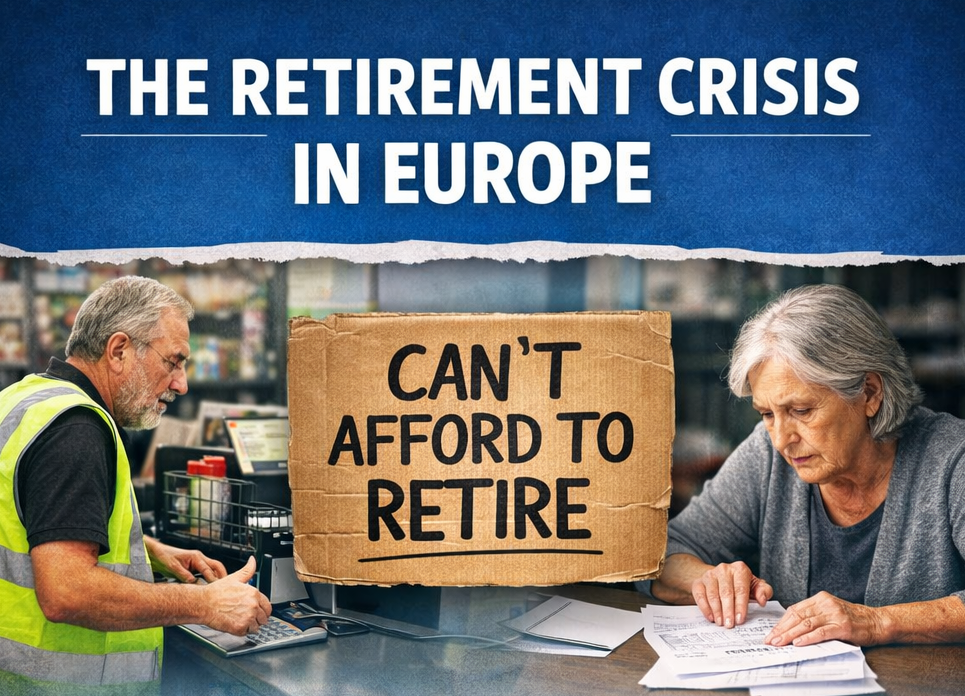
Across Europe, a growing number of people approaching retirement are confronting an uncomfortable reality: after decades of work, stopping is no longer financially possible.
Rising housing costs, persistent inflation, and changes to pension systems have reshaped what retirement looks like in the 2020s. For many Europeans, especially those without significant private savings or property, retirement is being delayed indefinitely — not by choice, but by necessity.
A Pan-European Problem
While the specifics differ by country, the trend is remarkably consistent.
In Western Europe, state pensions often cover only basic living expenses, leaving retirees vulnerable to rent increases and healthcare costs. In Southern Europe, lower average wages and fragmented employment histories have weakened pension entitlements. In Eastern Europe, rapid cost-of-living increases have outpaced pension adjustments, pushing many older citizens back into informal or part-time work.
Even in countries long considered models of social security, replacement rates are falling — meaning pensions replace a smaller percentage of pre-retirement income than they once did.
Housing Is the Breaking Point
Housing has become the single biggest factor determining whether retirement is viable.
Older Europeans who own their homes outright often manage to retire, even on modest pensions. Renters, however, face a very different future. In many cities, rents have doubled over the past decade, while pensions have not kept pace.
For retirees spending 40–60% of their income on housing, retirement is no longer sustainable. As a result, many are postponing retirement or returning to work after leaving it.
Longer Lives, Longer Working Lives
Europe’s population is ageing rapidly. Life expectancy has increased, but pension systems were never designed for people spending 20–30 years in retirement.
Governments have responded by:
-
Raising retirement ages
-
Linking pensions more closely to lifetime contributions
-
Reducing early retirement options
These reforms help public finances but shift risk onto individuals — particularly those with interrupted careers due to illness, caregiving, or unemployment.
Who Is Most Affected
The crisis is not evenly distributed.
Groups at highest risk include:
-
Women, who often have lower lifetime earnings and smaller pensions
-
Self-employed and gig workers, many of whom contributed less or inconsistently
-
Migrants, who may not qualify for full pension benefits
-
Urban renters, facing high housing costs
For these groups, “working until you drop” is becoming less a slogan and more a reality.
Social Consequences
The inability to retire has broader implications beyond individual hardship.
Older workers staying in the labour market longer can:
-
Increase competition for younger workers
-
Worsen youth unemployment in some regions
-
Delay career progression across sectors
At the same time, many older workers struggle with health issues, making continued employment physically or mentally difficult.
What Comes Next
Europe faces difficult choices.
Possible responses include:
-
Strengthening minimum pensions
-
Expanding housing protections for older renters
-
Encouraging employer-supported retirement savings
-
Rethinking how unpaid caregiving is valued in pension systems
Without reform, retirement risks becoming a privilege rather than a social right — available mainly to homeowners and higher earners.
Conclusion
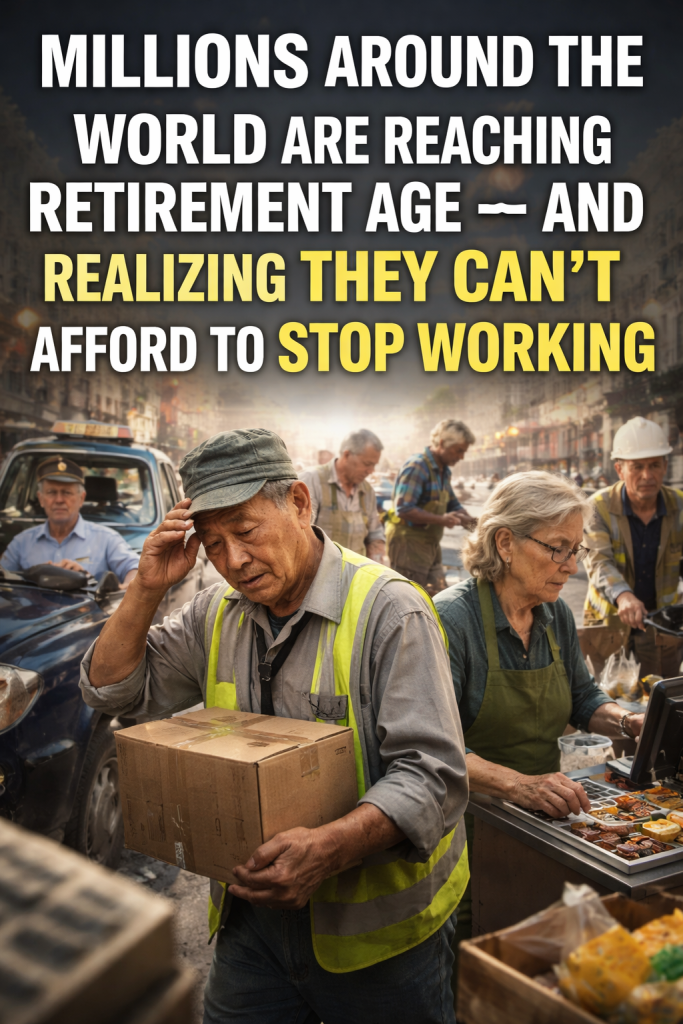
For millions across Europe, retirement is no longer a clear finish line. It is a moving target, shaped by housing markets, demographic change, and policy decisions made decades ago.
The question is no longer whether Europeans will work longer — but whether Europe can ensure that those years are lived with dignity rather than financial anxiety.





Leave a Comment