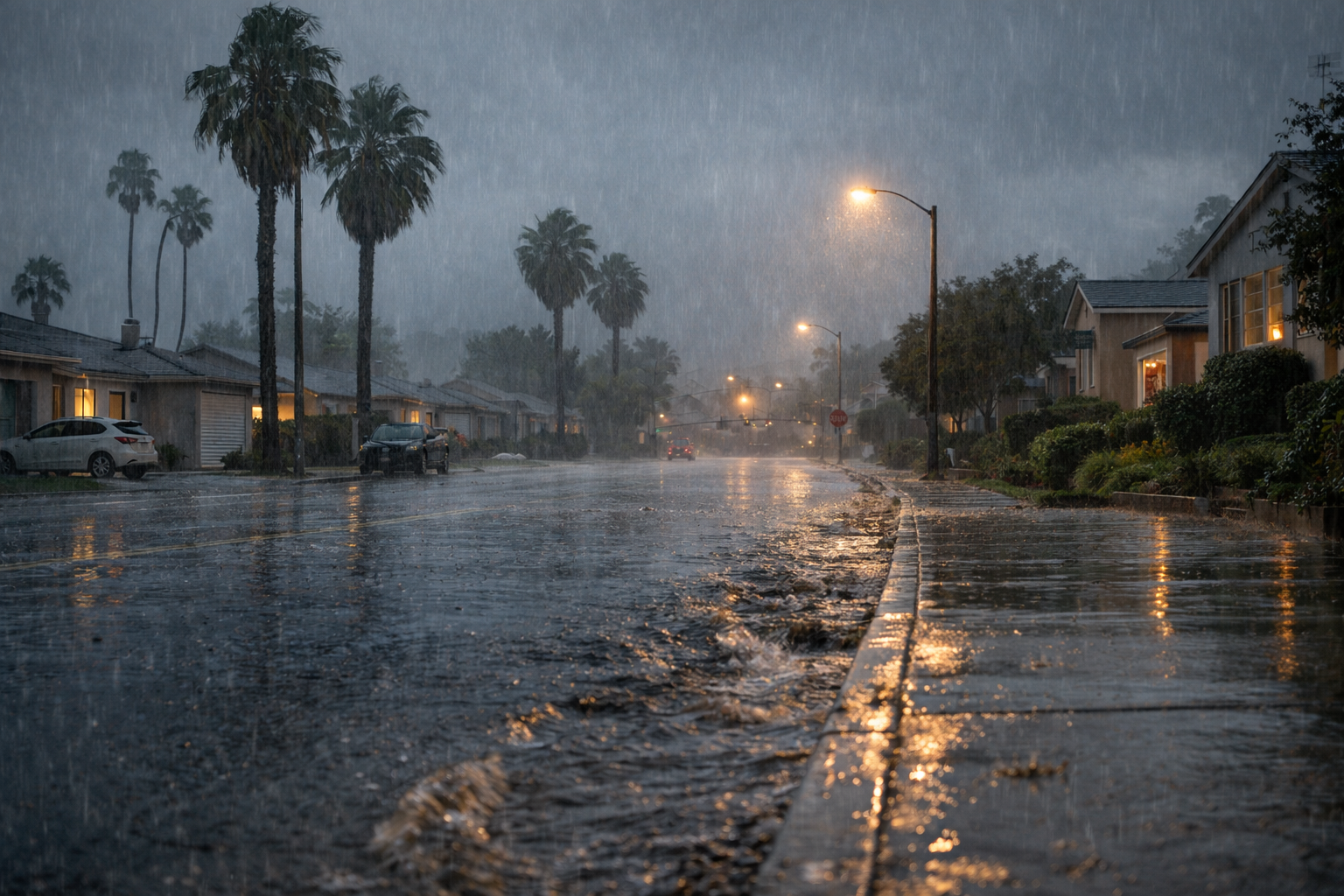
Southern California is preparing for a significant winter weather event as forecasters warn that days of heavy rain could impact large parts of the region this week. Meteorologists say a powerful Pacific storm system is expected to bring widespread rainfall, gusty winds, and localized flooding, raising concerns for commuters, homeowners, and holiday travelers.
Officials are urging residents to stay alert, especially in flood-prone neighborhoods, foothill communities, and areas affected by recent wildfires. The good news: there are several free and reliable tools available to help people stay informed and safe as conditions evolve.
This guide explains what to expect, who is most at risk, and where to find no-cost weather alerts, emergency updates, and preparedness resources during the storm.
What’s Driving This Week’s Storm?
Weather experts say the storm is being fueled by a strong moisture flow from the Pacific Ocean, sometimes referred to as an atmospheric river. These systems can transport vast amounts of water vapor toward the West Coast, leading to long periods of steady rainfall once they make landfall.
Unlike short rain showers, this type of storm can last several days, increasing the risk of:
-
Flash flooding
-
Mudslides and debris flows
-
Road closures and traffic disruptions
-
Power outages from strong winds
Rainfall totals are expected to vary depending on location, with coastal and valley areas seeing steady rain, while mountain and foothill regions could receive heavier amounts.
Areas Most at Risk
Not all parts of Southern California face the same level of danger during prolonged rain events. Officials are especially concerned about:
-
Low-lying urban areas with poor drainage
-
Burn scar zones where soil cannot absorb water properly
-
Canyons and foothills prone to debris flows
-
Older infrastructure zones where flooding can occur quickly
Residents in these areas are advised to monitor alerts closely and prepare in advance.
Expected Impacts on Daily Life
Travel and Commuting
Wet roads, standing water, and reduced visibility may lead to slower traffic and accidents, especially during peak commute hours. Some mountain routes and canyon roads could be closed if conditions worsen.
Holiday Plans
With the storm arriving during a busy travel week, flight delays and schedule disruptions are possible. Travelers are encouraged to check road and flight conditions frequently.
Homes and Neighborhoods
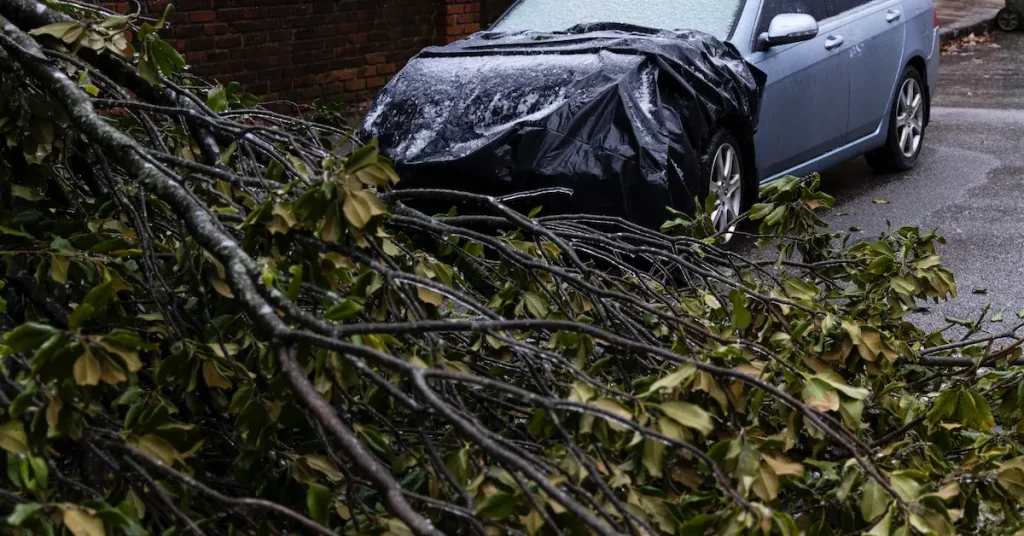
Clogged storm drains, pooling water, and fallen branches may cause localized damage, particularly during periods of heavy rainfall or high winds.
Free Weather and Safety Resources to Use Right Now
Staying informed is one of the most effective ways to reduce risk during severe weather. Below is a clear table of trusted, free resources that residents can access without subscriptions or fees.
Free Safety & Weather Resources Table
| Resource | What It Provides | How It Helps |
|---|---|---|
| National Weather Service | Official forecasts, warnings, advisories | Accurate storm timing and severity updates |
| Wireless Emergency Alerts | Emergency messages sent to phones | Immediate flood and evacuation warnings |
| NOAA Weather Radio | 24/7 weather broadcasts | Works during power or internet outages |
| County Emergency Alerts | Local evacuation and safety notices | Area-specific instructions |
| Free Weather Apps | Radar, rainfall tracking, alerts | Real-time storm monitoring |
| Local News Channels | Live weather coverage and updates | Visual explanations and local impact reports |
Why These Free Tools Matter
During fast-moving weather events, misinformation can spread quickly. Free, official alert systems ensure residents receive verified and timely updates directly from emergency managers and weather experts.
Many of these tools work automatically in the background, meaning you don’t need to actively search for information when conditions suddenly change.
How to Prepare Before the Rain Peaks
A few simple steps can make a big difference:
-
Clear leaves and debris from gutters and drains
-
Secure outdoor furniture and loose items
-
Charge mobile devices and backup batteries
-
Review evacuation routes if you live in a high-risk area
-
Keep important documents in a waterproof container
Preparation ahead of time reduces stress and helps families react calmly if conditions worsen.
Safety Tips During Heavy Rain
While the storm is underway:
-
Avoid driving through flooded roads, even if water looks shallow
-
Stay away from fast-moving streams and drainage channels
-
Limit non-essential travel during peak rainfall periods
-
Monitor alerts throughout the day and night
If officials issue evacuation warnings, it’s important to act early rather than wait.
What to Do if Power Goes Out
Storm-related power outages are possible due to wind and saturated soil. If electricity is lost:
-
Use flashlights instead of candles
-
Keep refrigerator doors closed to preserve food
-
Listen for updates using battery-powered radios or mobile alerts
-
Report outages to local utility providers when safe
Community Awareness Can Save Lives
Neighbors checking in on each other, sharing verified updates, and helping vulnerable residents can significantly reduce harm during severe weather events. Community cooperation remains a key factor in storm resilience.
When Will Conditions Improve?
Forecast models suggest the heaviest rainfall may taper off toward the end of the week, but lingering showers and saturated ground could keep flood risks elevated even after rain slows.
Officials warn that the danger doesn’t always end when the rain stops, especially in hillside areas where soil remains unstable.
Final Thoughts
This week’s heavy rain serves as a reminder that Southern California’s winter storms can be just as dangerous as heatwaves and wildfires. With the right information and preparation, residents can reduce risks and protect their families.
The most important takeaway: use free, official resources, stay alert, and avoid unnecessary travel during the storm’s peak. Being informed is the strongest tool you have.






Leave a Comment