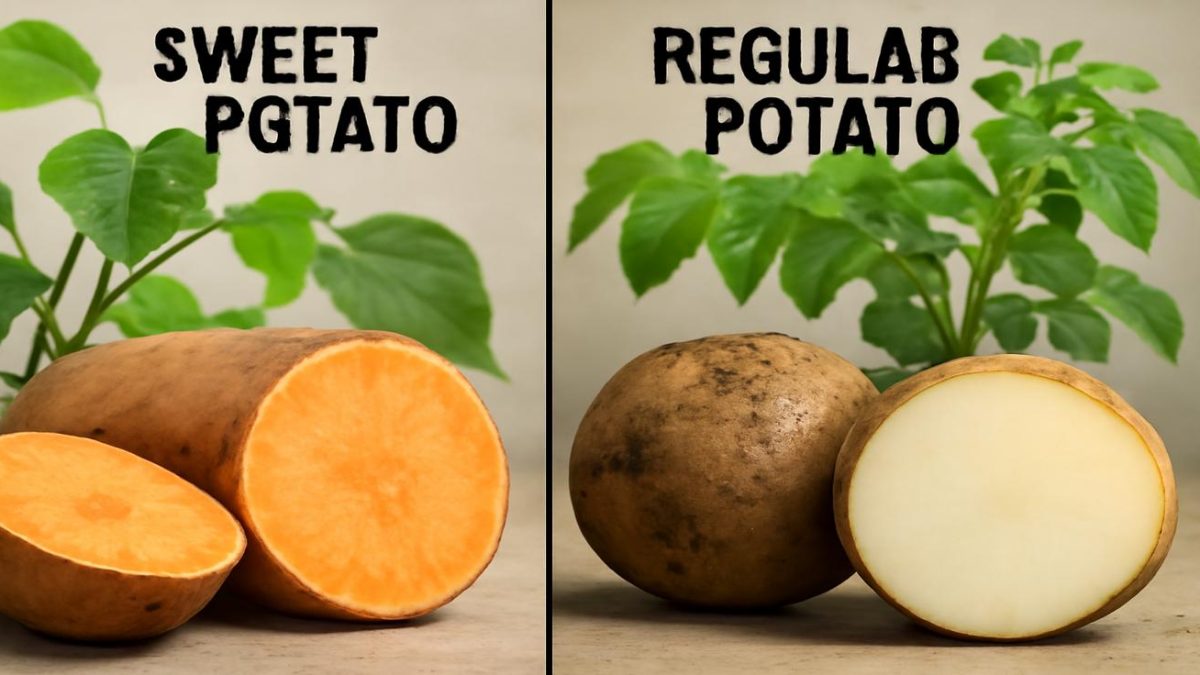
When you’re grocery shopping or planning your weekly meals, sweet potatoes and regular potatoes seem like natural siblings. They’re both starchy vegetables, both staples in cuisines worldwide, and both provide satisfying comfort food options. Yet if you examined them at the cellular and botanical level, you’d discover they’re not even distant cousins—they’re completely unrelated plants from entirely separate plant families. This surprising revelation changes how we understand these foods and why they deserve recognition as distinct nutritional powerhouses.
The Family Tree Doesn’t Connect
The most fundamental difference between sweet potatoes and regular potatoes lies in their botanical classification. Regular potatoes belong to the nightshade family, scientifically known as Solanaceae, which also includes tomatoes, peppers, and eggplants. This family is characterized by specific genetic markers and biochemical compounds that are distinctly different from other plant groups.
Sweet potatoes, by contrast, belong to the morning glory family, scientifically called Convolvulaceae. This might seem like an obscure detail, but it’s the foundation that explains virtually every other difference between these two vegetables. When botanists classify plants into families, they’re organizing them based on millions of years of evolutionary history and genetic divergence. The separation between Solanaceae and Convolvulaceae represents an enormous evolutionary distance—far greater than the differences between, say, different apple varieties.
This genetic distance is why sweet potatoes and regular potatoes have evolved completely different characteristics despite serving similar culinary purposes. Their shared popularity in human diets is a matter of cultural and agricultural coincidence, not botanical kinship.
How They Grow Tells the Story
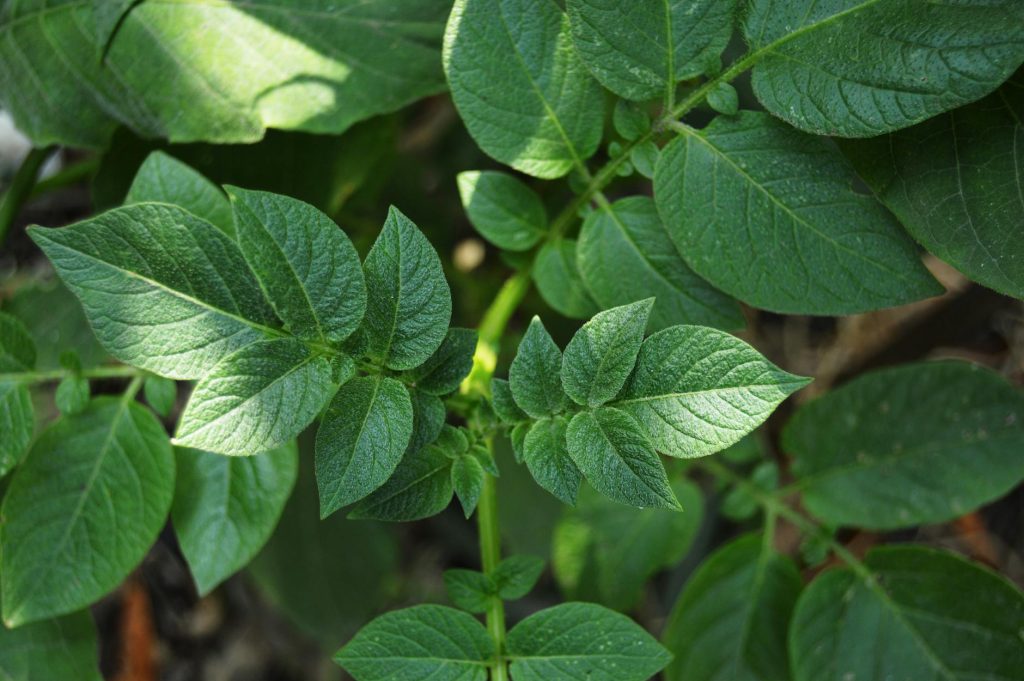
If you’ve ever grown potatoes in a garden, you might have noticed the distinctive way they develop underground. Regular potatoes grow from modified underground stems called tubers. When you plant a potato seed piece, it sends out rhizomes—horizontal underground shoots—and the tubers develop along these rhizomes as swollen storage organs. Each potato plant produces multiple tubers clustered near the base of the plant.
Sweet potatoes, meanwhile, grow from the roots of the plant itself, not from stems. The above-ground portion of the sweet potato plant grows as a sprawling vine with large, heart-shaped leaves. These vines can spread considerable distances across the ground or up trellises. Below ground, the plant develops fibrous roots, and some of these roots swell into the orange, purple, or white tuberous roots that we harvest and eat. This is a fundamentally different biological strategy for storing energy and nutrients.
This growth difference has practical implications for farmers. Regular potato plants typically remain more compact and upright, requiring specific spacing and hilling techniques to encourage proper tuber development. Sweet potato plants need sprawling space and benefit from longer growing seasons to allow their vines to establish extensive root systems. Gardeners who’ve tried growing both quickly learn that the cultivation requirements are dramatically different.
Genetic Distance Creates Nutritional Diversity
While both vegetables contain carbohydrates and provide sustained energy, their nutritional profiles reflect their different evolutionary histories. Regular potatoes, especially white varieties, are relatively neutral in terms of phytochemicals and contain compounds typical of the nightshade family. They’re excellent sources of potassium, vitamin C, and B vitamins.
Sweet potatoes, descended from a completely different plant family, evolved their own unique nutritional character. They’re notably rich in beta-carotene, which gives many varieties their characteristic orange color and converts to vitamin A in the human body. This is a nutrient that regular potatoes simply don’t provide in significant quantities. Sweet potatoes also contain unique phytochemicals like chlorogenic acid and caffeic acid, which are morning glory family characteristics.
Additionally, sweet potatoes generally have a lower glycemic index than regular white potatoes, though this can vary by cooking method and variety. This makes them a preferred choice for individuals monitoring blood sugar levels. The fiber content also differs, with sweet potatoes typically offering slightly more dietary fiber per serving.
Origins Across Continents
The geographical origins of these vegetables further underscore their independence. Regular potatoes were domesticated in the Andean highlands of South America, specifically in what is now Peru and Bolivia, approximately 7,000 to 10,000 years ago. Early peoples in these regions recognized the nutritional value of the wild potato species and selectively bred them into the varieties we recognize today.
Sweet potatoes have a more complex and debated origin story. Evidence suggests they were domesticated in either Mexico or northern South America approximately 5,000 to 9,000 years ago. However, sweet potatoes subsequently spread across the Pacific Ocean to Polynesia and Asia long before European contact—a remarkable feat of ancient maritime agriculture. When Portuguese and Spanish traders encountered sweet potatoes in the Americas and Asia, they brought them back to Europe and subsequently distributed them worldwide. Regular potatoes followed a similar but separate trade route after European colonization of South America.
The fact that these vegetables developed along different evolutionary paths, in different regions, and spread through different historical trading networks explains why they were completely unknown to each other’s native regions until European exploration brought them together.
Culinary Implications of Their Differences
Understanding that sweet potatoes and regular potatoes are botanically unrelated helps explain why they behave so differently in cooking. Regular potatoes contain different starch structures and water contents depending on variety, making them suitable for specific cooking methods. Russet potatoes work well for baking and mashing, while waxy varieties hold their shape for potato salads and soups.
Sweet potatoes have fundamentally different starch properties and higher natural sugar content, which affects how they caramelize, bake, and fry. They develop their characteristic sweetness when roasted due to enzymatic reactions that regular potatoes simply can’t replicate. Their texture and moisture content also differ, requiring adjusted cooking times and techniques.
The Bottom Line
Sweet potatoes and regular potatoes represent one of food culture’s most interesting examples of convergent evolution—two completely unrelated plants that serve similar functions in human diets because they both store energy efficiently underground and provide substantial nutrition. Recognizing their botanical independence helps us appreciate each vegetable on its own terms, understand their unique nutritional offerings, and make more informed dietary choices. The next time you’re at the grocery store, you can admire both vegetables knowing they’re not cousins at all, but rather representatives of entirely different branches of the plant kingdom that history brought together on our dinner plates.











Leave a Comment