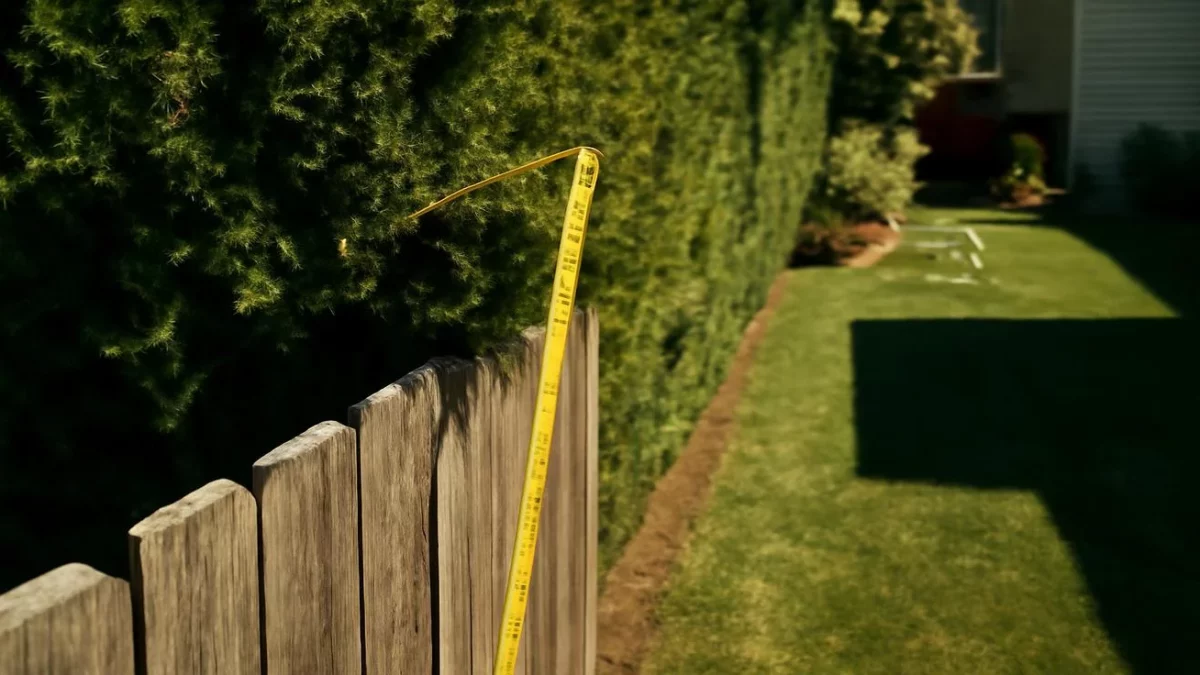
The arrival of December 31st marks more than just the end of a calendar year—it signals the beginning of stricter regulations governing outdoor landscaping in residential neighborhoods. Property owners across many jurisdictions will soon face mandatory requirements to trim or remove hedges that exceed two meters in height and extend less than fifty centimeters from neighboring properties. This regulatory shift represents a significant change in how communities manage shared boundaries and green spaces, affecting millions of homeowners who may not yet be aware of these impending obligations.
Understanding the New Hedge Regulations
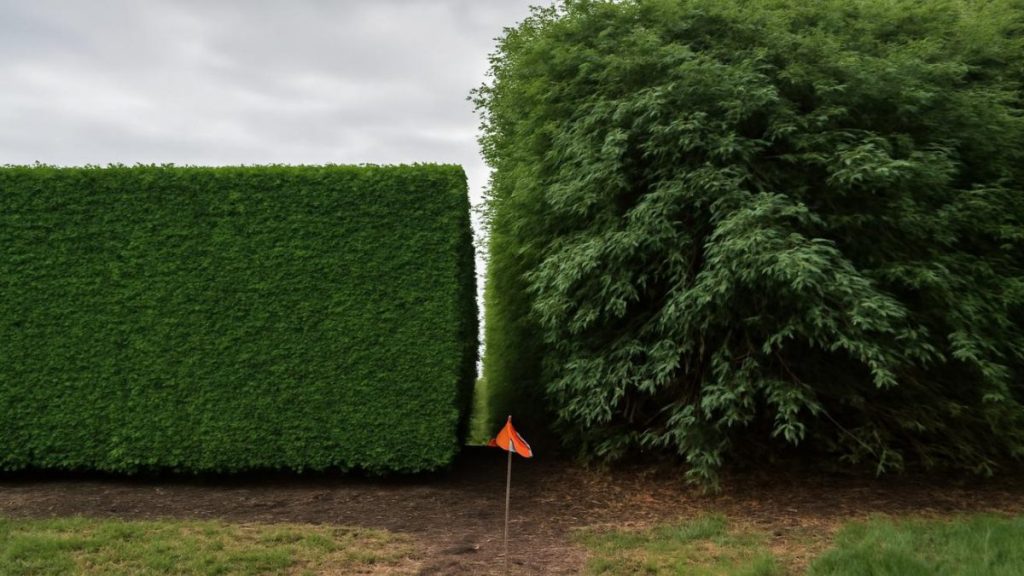
The implementation of these regulations stems from growing concerns about property rights, safety hazards, and neighborhood disputes. When hedges grow unchecked near property lines, they can obstruct views, create privacy issues, block natural light, and even cause structural damage to neighboring properties. The two-meter threshold targets hedges that have reached substantial heights, while the fifty-centimeter proximity requirement addresses those positioned perilously close to boundary lines.
These measurements aren’t arbitrary. The two-meter height (roughly six-and-a-half feet) represents the point where vegetation becomes likely to cause significant impact on adjacent properties. Meanwhile, the fifty-centimeter distance allows for proper maintenance access and prevents excessive encroachment while still preserving reasonable privacy screening.
Why These Rules Matter for Community Harmony
Hedges and boundary vegetation have long been sources of neighbor conflict. Overgrown plants can block sunlight that neighbors depend on for their gardens, create damp conditions that damage fences, or obstruct sightlines for safety reasons. Children and pets may encounter navigation challenges, and in some cases, excessively tall hedges have become navigational hazards for pedestrians and drivers alike.
The regulations acknowledge that reasonable privacy screening serves legitimate purposes, but uncontrolled growth crosses into territory that affects the broader community. By establishing clear, measurable standards, property managers and local authorities hope to reduce disputes before they escalate into costly legal battles between neighbors.
What Property Owners Must Do
Compliance involves several straightforward steps. First, homeowners should measure their existing hedges to determine if they exceed the two-meter threshold. Next, they need to assess the distance between the hedge and the nearest property line. If both conditions apply—height exceeding two meters and proximity within fifty centimeters—action becomes necessary.
Property owners have two main options: trim the hedges to bring them into compliance with height restrictions, or remove them entirely. Trimming typically proves more economical and maintains the aesthetic benefits many homeowners value. Professional landscaping services can accomplish this work efficiently, ensuring that plants are pruned correctly to encourage healthy regrowth.
Timeline and Deadline Considerations
With the December 31st deadline approaching, homeowners should act promptly. Late autumn and early winter represent ideal times for significant hedge trimming in many climates. The dormant season minimizes stress on plants and allows them to recover naturally in spring. However, scheduling professional landscapers during this period can be competitive, so advance planning proves essential.
Those who haven’t yet assessed their properties should do so immediately. Waiting until late December could result in rushed work or inability to secure professional services. Additionally, some regions may experience weather conditions that complicate landscaping work as winter progresses.
Penalties for Non-Compliance
The regulations include enforcement mechanisms with financial consequences. Penalties vary by jurisdiction but typically escalate based on the duration of non-compliance and the severity of the violation. Initial warnings may be followed by fines, and in persistent cases, authorities may undertake the work themselves and charge property owners for the service.
Beyond financial penalties, non-compliance can trigger formal complaints from neighbors, potentially escalating into legal disputes. These disputes damage community relationships and can become far more expensive than proactive compliance would have been.
Planning Your Hedge Maintenance Strategy
Effective preparation requires several considerations. First, determine which hedges require attention. Walk your property perimeter, note dimensions, and identify which plants fall under the new regulations. Document these findings with photos and measurements for your records.
Next, consult with professional landscapers about appropriate trimming approaches for your specific hedge types. Some species respond better to certain cutting techniques, and improper trimming can damage plants or result in poor aesthetics. Licensed professionals understand these nuances and can ensure your hedges remain healthy and attractive after trimming.
Communicating With Neighbors
This regulatory change presents an opportunity to strengthen neighborhood relationships. Inform adjacent property owners about your compliance plans, especially if your trimming work will affect the visual boundary between properties. This transparency builds goodwill and demonstrates respect for shared spaces.
Consider whether your neighbors also have hedges requiring attention. Coordinating work can reduce disruption and create opportunities for shared landscaping resources or recommendations for contractors.
Long-Term Maintenance Practices
Achieving initial compliance represents just the first step. Ongoing maintenance becomes necessary to sustain compliance. Establish regular trimming schedules—typically annually or biannually, depending on growth rates for your specific hedge varieties. This proactive approach prevents future violations and maintains your property’s appearance.
Different hedge species have different growth characteristics and maintenance requirements. Boxwoods, laurels, privet, and yew all respond differently to trimming. Understanding your hedges’ specific needs ensures healthier plants and better aesthetic results.
Looking Forward
These regulations reflect broader trends toward clearer property management standards and community-focused urban planning. As neighborhoods continue to densify and property boundaries become increasingly important, expect similar regulations to expand to other landscaping elements in coming years.
By addressing hedge regulations now, property owners participate in creating safer, more harmonious residential environments. The relatively modest effort required for compliance today prevents far greater complications tomorrow, whether measured in financial penalties, damaged relationships, or legal entanglement.
The December 31st deadline serves as a clear checkpoint for action. Property owners who approach this requirement proactively—assessing their situations, scheduling professional services, and communicating with neighbors—will navigate this transition smoothly while maintaining their properties’ appeal and safeguarding community peace.









Leave a Comment