
The suburban landscape is about to change significantly as a sweeping new regulation takes effect on December 31st. Property owners who maintain hedges will need to pay close attention to this development, as failure to comply could result in substantial penalties. These regulations represent a significant shift in how communities manage boundary vegetation and neighborly relations, making it essential for homeowners to understand the specifics before the deadline arrives.
Understanding the New Hedge Regulations
Starting December 31st, a comprehensive set of guidelines will govern hedge maintenance across residential neighborhoods. The core rule is straightforward: any hedge exceeding 2 meters in height that is positioned less than 50 centimeters from a neighbor’s property line must be trimmed to comply with the new standards. This regulation aims to balance property owners’ desires for privacy and natural landscaping with neighbors’ rights to unobstructed views and adequate sunlight.
The 2-meter threshold represents a carefully considered height limit that most communities have determined to be reasonable for boundary vegetation. This measurement translates to approximately 6.5 feet, a height that traditionally marks the boundary between a decorative privacy screen and an invasive obstruction. The 50-centimeter proximity requirement—roughly 20 inches—establishes a clear buffer zone that accounts for typical property boundary variations and surveying tolerances.
Why These Rules Matter for Your Community
Property disputes involving vegetation are among the most common complaints in residential areas. Overgrown hedges block natural light, obstruct sightlines, potentially damage neighbor structures through root systems, and can create safety hazards. By implementing these regulations now, municipalities are attempting to prevent conflicts before they escalate into costly legal battles or create lasting neighborhood tension.
The timing of this regulation reflects growing recognition that proactive property management protects everyone’s quality of life. Rather than waiting for neighbor complaints to accumulate, these preemptive rules establish clear expectations that apply uniformly across all residential properties. This fairness aspect is crucial—everyone faces the same requirements, eliminating accusations of selective enforcement or favoritism.

Identifying Whether Your Property is Affected
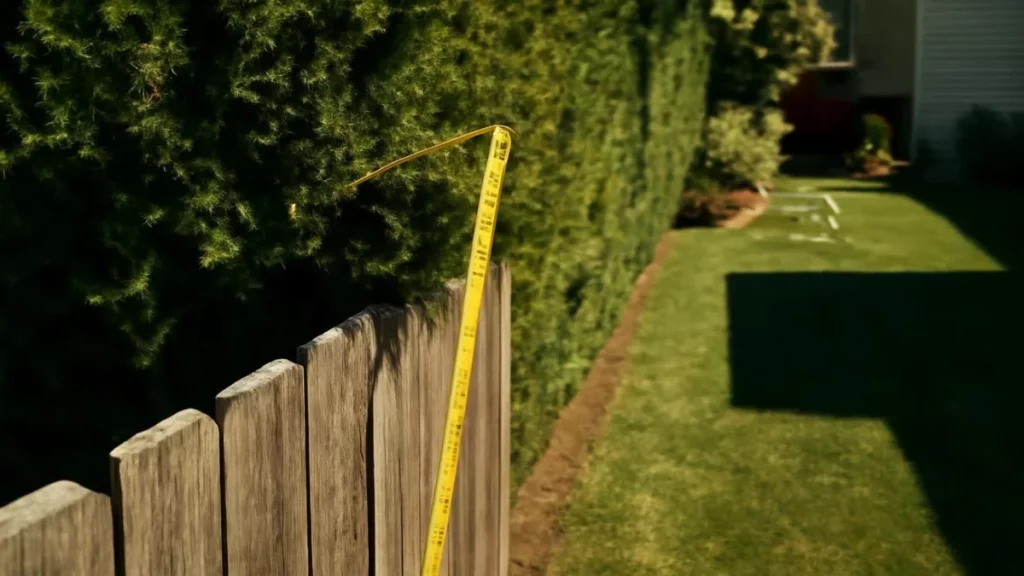
Before assuming your hedge situation is compliant, take time to measure carefully. First, determine the precise height of your hedge at its tallest point. Most hedges don’t grow uniformly, so measure multiple locations along the length. Next, measure the distance between your hedge’s location and the actual property boundary line. If your property survey isn’t readily available, you might need to contact your local assessor’s office for exact boundary information.
Many homeowners discover that their seemingly modest hedges actually exceed the 2-meter threshold when measured properly. This is especially true for fast-growing varieties like privet, laurel, or leyland cypress that can add substantial height over just a couple of growing seasons. Similarly, the 50-centimeter distance requirement often catches property owners by surprise, as many people plant hedges with incorrect assumptions about property lines.
Compliance Options and Solutions
If your hedge falls under these regulations, you have several pathways to compliance. The most straightforward approach is trimming the hedge to bring it within the 2-meter height limit. Professional arborists and landscapers understand these specific requirements and can trim hedges to maintain their aesthetic appeal while achieving regulatory compliance. Strategic trimming can actually encourage fuller, healthier growth in subsequent seasons.
Another option involves relocating the hedge entirely to a location on your property that doesn’t trigger the proximity requirement. While this demands more effort and expense initially, it provides a permanent solution that eliminates future compliance concerns. This approach also allows you to grow your hedge to whatever height you prefer without neighborhood restrictions.
Some homeowners opt for alternative privacy solutions that don’t involve tall hedges near property lines. Privacy fences, slatted screens, or strategic placement of shorter ornamental plantings can achieve similar visual effects while respecting the new regulations. These alternatives often provide more immediate results and offer greater design flexibility.
Penalties and Enforcement
Non-compliance with these regulations carries real consequences. Municipalities typically implement tiered penalty systems that escalate with continued violation. Initial penalties often take the form of warning notices, providing homeowners opportunity to remedy the situation. Subsequent violations incur monetary fines that increase progressively, potentially reaching substantial amounts for persistent non-compliance.
Beyond financial penalties, municipalities may take direct action themselves, removing or trimming non-compliant vegetation and billing property owners for the service. In some jurisdictions, violations can affect property records or create obstacles to selling the property. These escalating consequences make it prudent to address any compliance issues promptly rather than waiting for enforcement action.
Planning Your Maintenance Timeline
Given the December 31st deadline, immediate action is essential. If your property contains hedges that potentially violate these regulations, contact a professional landscaper now to discuss options. Seasonal factors affect trimming effectiveness, and some vegetation responds better to autumn or spring maintenance. Professional guidance ensures your specific situation receives appropriate treatment.
Document any work completed in preparation for potential future inquiries. Photographs showing the hedge height and distance from the property line, along with receipts from professional work, provide evidence of compliance efforts. This documentation protects you if questions arise and demonstrates good faith compliance efforts.
Moving Forward Responsibly
These regulations represent an investment in community harmony and property rights protection. By understanding the specific requirements and addressing any compliance issues before December 31st, you contribute to smoother neighborhood relations and avoid the stress of enforcement actions. Whether you choose trimming, relocation, or alternative solutions, taking action now positions you as a responsible property owner who respects both personal property rights and community standards. The investment in compliance today prevents much costlier problems tomorrow.









Leave a Comment