When severe weather threatens the Houston area, one question rises quickly for parents, students, and teachers: Will school be canceled?
From rare winter freezes to flooding rains and hurricane threats, Houston-area school districts regularly face complex decisions that affect hundreds of thousands of families.
Understanding how and when administrators decide to cancel, delay, or modify school schedules can help families prepare—and avoid last-minute confusion during dangerous weather events.
How Houston-Area School Districts Decide on Weather Closures
School closures in the Houston region are not automatic, even when forecasts appear severe. District leaders follow a structured, multi-step process designed to prioritize student safety while minimizing disruptions to learning.
Houston Independent School District (HISD), along with suburban districts like Cy-Fair ISD, Katy ISD, and Fort Bend ISD, rely on both meteorological data and local conditions before making any announcement.
Each decision is made locally, meaning closures can vary widely across the metro area.

What Types of Weather Trigger School Closure Discussions?
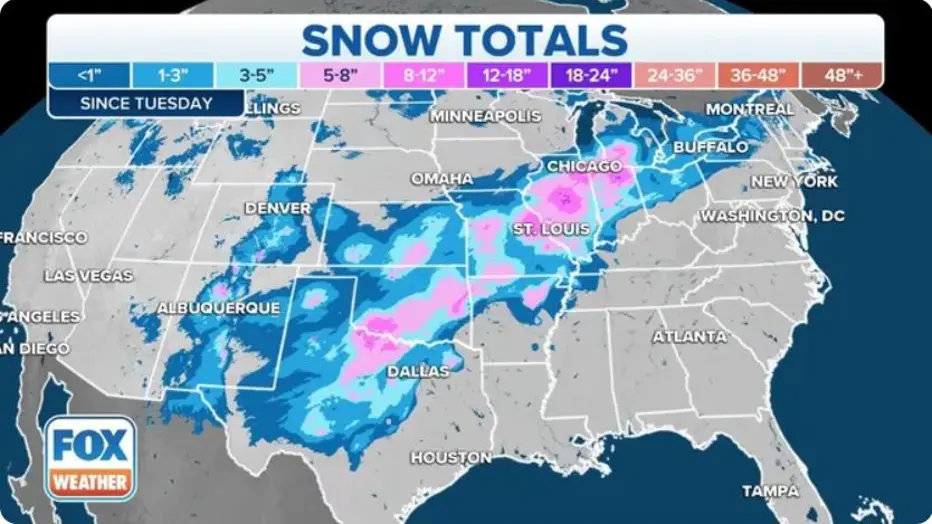
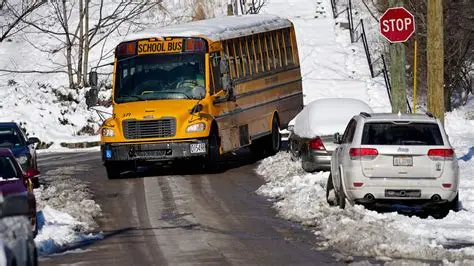
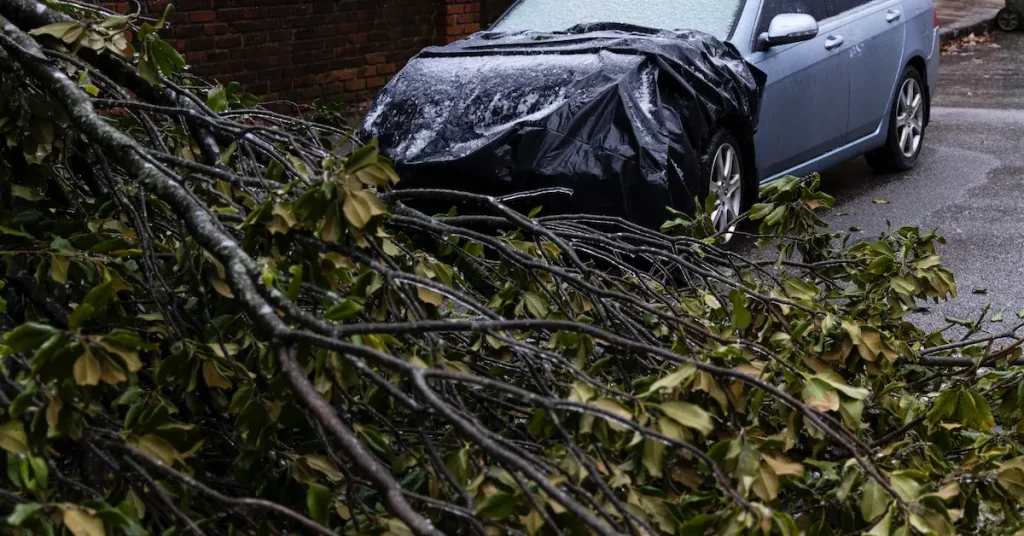
Severe Cold and Winter Storms
Although rare in Southeast Texas, extreme cold events—especially hard freezes—prompt immediate review. Administrators evaluate:
-
Road icing and bridge conditions
-
School heating reliability
-
Bus safety during early-morning travel
-
Power outage risks
Winter weather similar to the 2021 freeze has permanently changed how districts plan for cold emergencies.
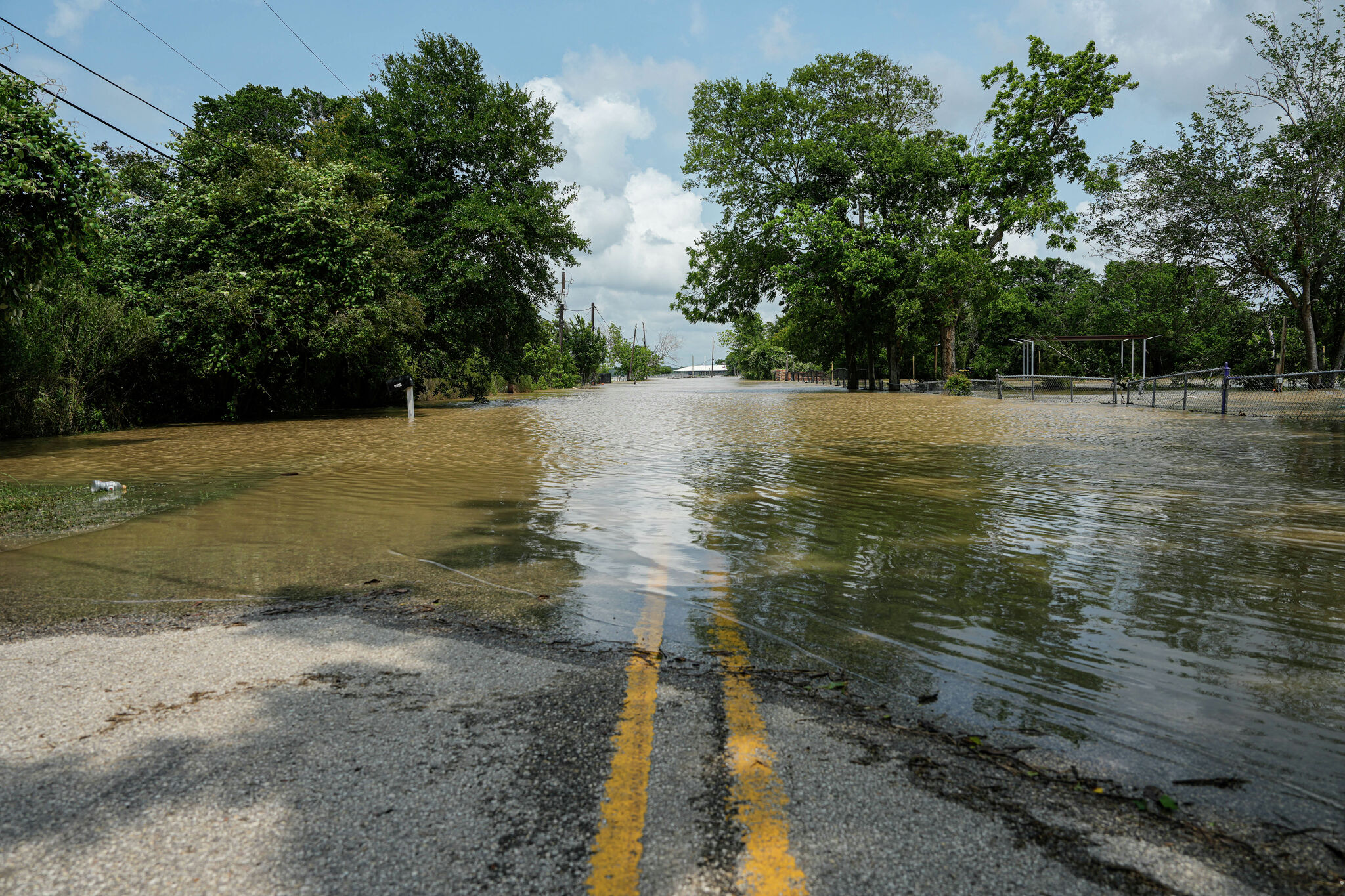
Flooding and Heavy Rainfall
Flooding remains one of the most common reasons for school disruptions in the Houston area. Districts assess:
-
Street and neighborhood flooding
-
Campus drainage systems
-
Bus route accessibility
-
Potential shelter-in-place needs
Even if rainfall totals seem manageable, localized flooding can close schools in specific zones.
Hurricanes and Tropical Storms
During hurricane season, school closures are often coordinated with emergency management agencies. Decisions may be made days in advance to allow families time to evacuate.
Closures typically occur before:
-
Mandatory evacuations
-
Expected power grid failures
-
Dangerous wind conditions
Timeline: How School Closure Decisions Are Made
48–72 Hours Before Severe Weather
Districts begin monitoring National Weather Service advisories and emergency management briefings. Superintendents communicate internally with transportation, facilities, and safety teams.
24 Hours Before Impact
Administrators assess updated forecasts and road condition models. Coordination increases with local governments, law enforcement, and emergency response agencies.
Early Morning Decisions (3–5 a.m.)
Many closures are finalized before dawn. District leaders conduct last-minute checks on:
-
Overnight temperature drops
-
Rainfall accumulation
-
Wind gusts
-
Bus yard conditions
This timing allows families enough notice before school commutes begin.
Who Makes the Final Call?
The superintendent holds final authority, but decisions are rarely made alone.
Key contributors include:
-
District safety officers
-
Transportation directors
-
Facilities and maintenance teams
-
Local emergency management officials
Some districts also consult neighboring school systems to maintain regional consistency when possible.
Official Guidance from School Administrators
Houston-area school leaders consistently emphasize that safety—not convenience—drives every closure decision.
District statements frequently note that conditions must be safe for:
-
Students walking to bus stops
-
Bus drivers operating large vehicles
-
Staff traveling long distances
Administrators also stress that schools sometimes remain open even when weather worsens later in the day, as mid-day closures can create additional risks.
Public Reaction and Community Concerns
Parents often express frustration over early-morning announcements, while others argue closures should happen sooner when forecasts look dangerous.
Teachers’ groups and transportation unions have increasingly advocated for more conservative decisions, particularly after recent extreme weather events.
Districts balance these concerns against state attendance requirements and instructional time mandates.
What Happens When Schools Stay Open?
When weather is questionable but not severe enough to close schools, districts may implement adjustments such as:
-
Excused absences without penalties
-
Delayed start times
-
Modified bus routes
-
Indoor-only student activities
Families are encouraged to make personal safety decisions if travel conditions vary by neighborhood.
KEY FACTS AT A GLANCE
| Event | Location | Date | Who Is Affected | Current Status | What Readers Should Know |
|---|---|---|---|---|---|
| Weather-based school closure decisions | Houston metro area | Ongoing | Students, parents, teachers | Determined locally | Decisions depend on safety, not just forecasts |
What Happens Next During Active Weather Events?
Districts continue monitoring conditions even after announcing closures or openings. Schedules can change rapidly if weather intensifies unexpectedly.
Families should monitor:
-
District websites
-
Official social media channels
-
Automated calls and text alerts
FREQUENTLY ASKED QUESTIONS
When do Houston schools usually announce closures?
Most announcements occur between 4 a.m. and 6 a.m. on the day of expected impact.
Do all Houston-area districts close at the same time?
No. Each district makes independent decisions based on local conditions.
Does rain alone cancel school?
Heavy rain by itself usually does not. Flooding, road safety, and bus access matter more.
Are absences excused if schools stay open during bad weather?
Many districts excuse absences during severe conditions, but policies vary.
Who decides if school buses can run?
Transportation departments assess route safety and report findings to district leadership.
Do schools close early if weather worsens?
Early dismissals are rare and usually avoided unless conditions become unsafe unexpectedly.
CONCLUSION
Weather-related school closures in the Houston area involve careful coordination, real-time data, and safety-first judgment calls by district leaders.
As extreme weather becomes more frequent, families can expect continued emphasis on early monitoring, clear communication, and localized decision-making.
Parents and caregivers should stay alert to official district updates and prepare for rapid changes when severe weather threatens the region.







Leave a Comment