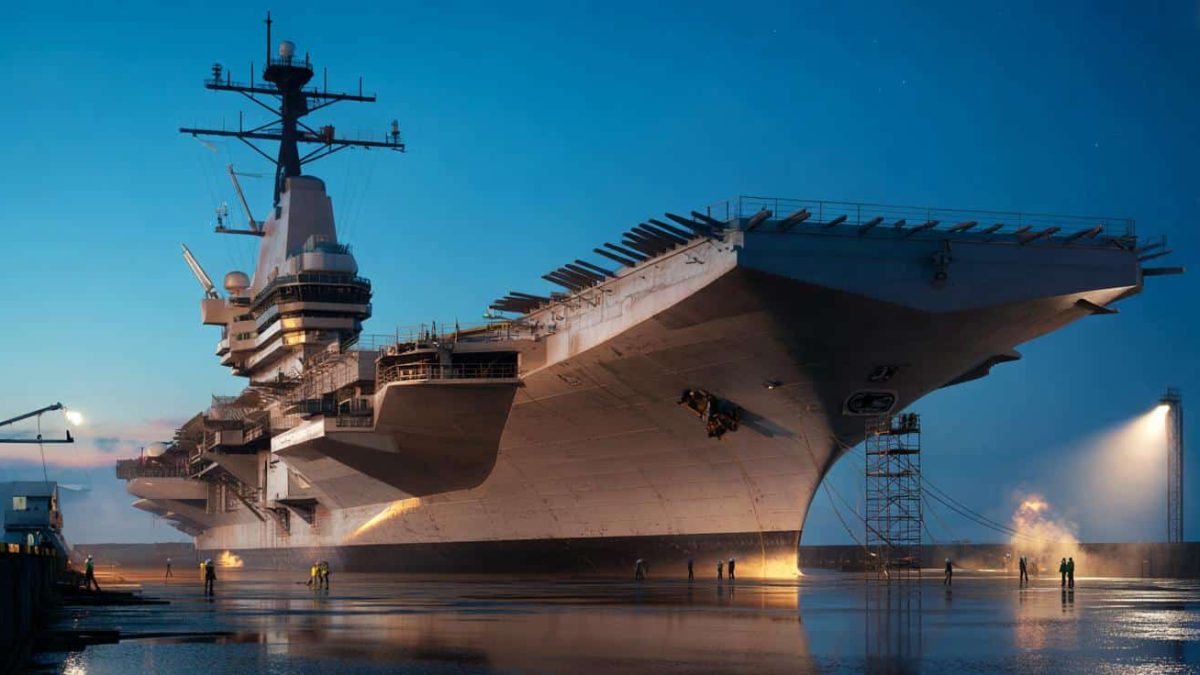
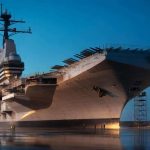
The horizon of modern naval warfare is about to shift dramatically. The USS John F. Kennedy, representing over a decade of innovation and engineering excellence, stands on the precipice of its most critical phase yet. With a price tag exceeding $13 billion and crew preparation reaching its zenith, this nuclear-powered aircraft carrier is preparing to leave port for extensive sea trials that will determine whether it lives up to years of ambitious expectations.
The Magnitude of American Naval Innovation
When engineers and naval architects set out to design the next generation of American naval power, they didn’t simply upgrade existing systems. The USS John F. Kennedy represents a complete reimagining of what an aircraft carrier should accomplish in the 21st century. This vessel isn’t merely another addition to the fleet—it’s a quantum leap forward in maritime dominance and technological sophistication.
The carrier stretches across the waters at an impressive length, displacing thousands of tons of water with every movement. Its nuclear reactors represent the pinnacle of propulsion technology, capable of sustaining continuous operations for decades without refueling. These powerplants don’t just push the ship through the ocean; they generate sufficient electricity to power an entire small city, enabling the carrier to operate all its advanced systems simultaneously—something previous generations of warships could never achieve.
The financial investment reflects the complexity and ambition of the project. Every dollar spent represents months of research, development, testing, and refinement. Materials scientists have worked to create hull sections that balance weight, strength, and radar signatures. Electrical engineers have designed systems redundant enough to survive combat damage while remaining efficient enough to maximize operational range. Naval architects have considered thousands of scenarios and variables in creating a platform capable of projecting American power across the globe for the next fifty years.
Understanding Nuclear Propulsion at Sea
The transition to nuclear power represents one of the most significant decisions in the carrier’s design. Unlike conventional carriers that rely on fossil fuel combustion, the USS John F. Kennedy’s nuclear reactors operate through controlled fission reactions. This fundamental difference creates cascading advantages throughout the vessel’s design and operational capability.
Nuclear propulsion eliminates the need for massive fuel storage systems, freeing up valuable internal space for weapons, ammunition, maintenance facilities, and crew quarters. The reactors generate power continuously and consistently, regardless of sea conditions or weather patterns. This reliability enables sustained flight operations that would be impossible for conventionally-powered ships. Aircraft can launch and recover around the clock without concerns about power availability or fuel consumption cutting into operational endurance.
The engineering challenges, however, remain substantial. Reactor compartments must be designed with multiple safety systems, redundant cooling mechanisms, and isolation protocols that would astound most engineers. Nuclear waste handling, radiation monitoring, and crew safety considerations permeate every system design decision. The sailors who will serve aboard the USS John F. Kennedy undergo intensive training to manage these systems safely and effectively.
Preparing Crew for the Ultimate Test
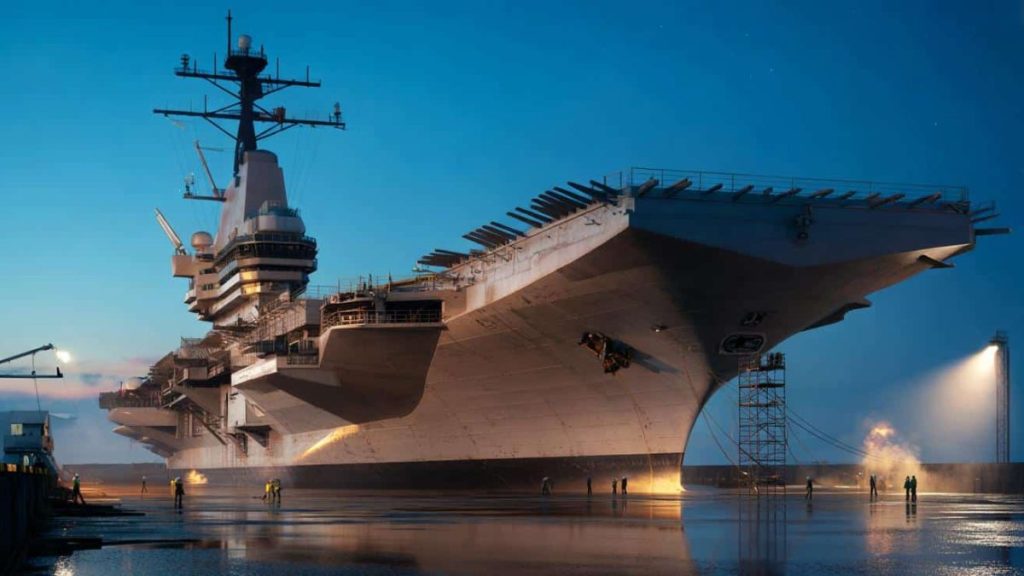
Behind every successful warship stands a crew of thousands—sailors, officers, engineers, and technicians who must function as a single organism. The USS John F. Kennedy’s crew preparation has been underway for months, with sailors learning every inch of the ship’s systems before setting foot aboard.
Virtual reality training programs immerse sailors in emergency scenarios they may never actually encounter but must be prepared to handle instantly. From reactor compartment operations to damage control, from flight deck operations to medical emergencies, crew members train relentlessly. Officers attend schools specifically designed to teach them how to manage a nuclear-powered carrier, learning protocols and procedures that have been refined through decades of nuclear Navy operations.
The crew composition itself represents incredible diversity. Scientists with advanced degrees work alongside mechanics with years of practical experience. Young sailors in their first assignment learn from veteran personnel who have served on multiple carriers. This mixture of experience levels and expertise creates a culture of mentorship and continuous learning that’s essential for managing such a complex vessel.
What Sea Trials Will Actually Test
The upcoming sea trials represent far more than a ceremonial first voyage. These extensive tests will evaluate virtually every system, every procedure, and every capability the carrier possesses. Naval engineers and weapons testers will scrutinize performance data from hundreds of sensors embedded throughout the vessel.
Flight operations will receive particular attention. Can aircraft launch and recover safely at the required rate? How does the new catapult system perform with live aircraft? What adjustments need to be made to landing procedures? Every landing generates data that helps refine future operations.
Propulsion systems will be pushed through their operational envelope. Engineers will verify that the nuclear reactors operate within design parameters across various sea states and operating conditions. Combat systems will be activated and tested against simulated threats. Communication networks will transmit data across the vast internal network that connects the carrier’s thousands of systems.
The Broader Implications for Naval Strategy
The USS John F. Kennedy doesn’t exist in isolation. It represents America’s commitment to maintaining naval superiority in an increasingly contested maritime environment. As global powers expand their naval capabilities and challenge American presence in key regions, carriers like the Kennedy provide the flexibility, firepower, and endurance necessary to respond to emerging threats.
This vessel will operate for fifty years or more, serving under multiple administrations and responding to conflicts we cannot yet predict. Its design reflects lessons learned from recent conflicts while incorporating technologies that barely existed a decade ago. Future upgrades will enhance its capabilities further as technology continues advancing.
The sea trials ahead mark a crucial milestone in bringing this $13 billion platform fully into service. Success will validate the design decisions made by thousands of engineers and justify the enormous investment. Failure in any critical system would necessitate corrections that could delay the carrier’s operational deployment by months or years.
Looking Forward to Naval Dominance
The USS John F. Kennedy embodies American determination to lead in naval technology and capability. As it prepares to depart for sea trials, the eyes of military strategists, naval engineers, and defense analysts worldwide will focus on whether this revolutionary vessel delivers on its extraordinary promises. The answers that emerge from these trials will shape naval strategy for decades to come.








Leave a Comment