
Walk into any modern parenting forum, and you’ll find countless discussions about anxiety, depression, and emotional fragility in children. Parents obsess over developmental milestones, emotional validation, and creating psychologically “safe” environments. Yet psychological research is beginning to reveal a counterintuitive truth: the generations that grew up with less parental oversight, less structure, and fewer interventions may have inadvertently developed superior emotional resilience. This wasn’t the result of a deliberate parenting philosophy—it was the accidental byproduct of a different era entirely.
The Unplanned Experiment of the Sixties and Seventies
The 1960s and 70s represented a unique moment in parenting history. Working mothers became increasingly common, single-parent households rose, and the cultural priorities shifted away from constant child supervision. Kids were expected to play outside unsupervised, resolve their own conflicts, and navigate social hierarchies without adult mediation. This wasn’t progressive parenting theory—it was simply the reality of the time.
What researchers are now discovering is that this environment created an unexpected psychological advantage. Children forced to navigate the world with minimal safety nets developed what psychologists call “emotional calluses”—resilience born not from therapy or intentional skill-building, but from repeated exposure to mild adversity and the necessity of self-solving.
Self-Regulation Through Necessity, Not Instruction
Modern parenting emphasizes teaching emotional regulation explicitly. Parents coach children through feelings, validate emotions at every turn, and intervene before conflicts escalate. While well-intentioned, this approach may inadvertently prevent children from discovering their own regulatory mechanisms.
The 1960s-70s generation had no choice but to self-regulate. A child couldn’t call their parent to mediate a playground dispute—parents were at work and unreachable. A teenager couldn’t text for permission or reassurance—they had to make decisions independently. When boredom struck, there were no scheduled activities or screen-based entertainment to fill the void, forcing creative problem-solving and imagination development.
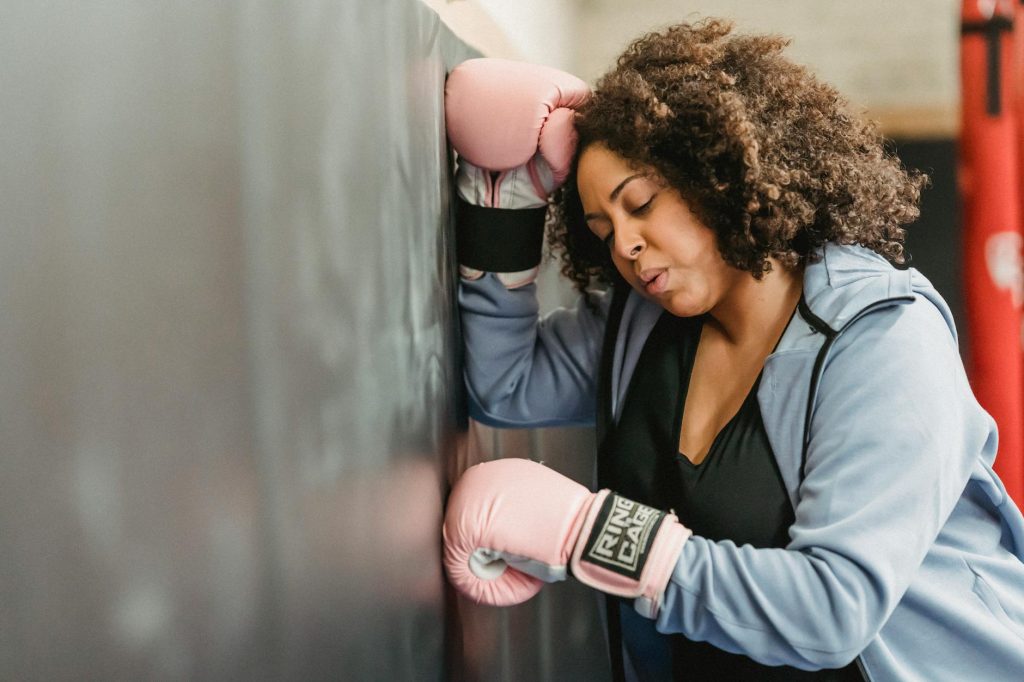
Psychologist Wendy Mogel, who studies generational differences, notes that this forced independence created what she calls “productive struggle.” When children repeatedly face challenges and develop their own solutions, they internalize the belief that they’re capable of handling adversity. This belief system becomes self-fulfilling—challenges feel manageable because they’ve proven to themselves repeatedly that they can manage them.
The Problem-Solving Advantage
Without an adult hovering nearby to fix problems, children of this era became exceptional problem-solvers. Need to entertain yourself for hours? Figure it out. Got into a conflict with friends? Work it out yourselves. Made a mistake? Face the consequences and learn from it directly.
This stands in stark contrast to modern childhood, where parents often intercede at the first sign of difficulty. A child struggles with a peer conflict, and the parent reaches out to the other child’s parent. A child receives a disappointing grade, and the parent schedules a meeting with the teacher. A child experiences boredom, and the parent enrolls them in another activity.
The research suggests that each intervention, while reducing immediate discomfort, actually deprives the child of the opportunity to develop problem-solving skills and self-confidence. Over time, children in highly-managed environments begin to doubt their own capability and look externally for solutions rather than internally.
Emotional Calluses: Building Tolerance for Discomfort
A crucial distinction exists between emotional trauma and ordinary discomfort. The 1960s-70s children experienced plenty of the latter: rejection, failure, boredom, disappointment, and social awkwardness. They learned to sit with these feelings rather than avoid them.
Modern psychology has become increasingly focused on emotional comfort and protection. While trauma should certainly be prevented and treated, ordinary emotional discomfort has become something many modern children have never learned to tolerate. This creates a paradoxical outcome: children in the most protective environments often demonstrate the lowest distress tolerance.
Psychological research on exposure therapy and resilience training confirms that repeated, manageable exposure to discomfort builds emotional strength. The previous generation received this training accidentally, through daily life. Today’s children often receive the opposite message: that discomfort should be avoided, managed, or treated as a sign that something is wrong.
The Independence-Confidence Connection
There’s a documented correlation between independence and self-confidence that has become harder to achieve in modern parenting. When a child independently solves a problem, learns a skill, or navigates a social situation, they internalize that experience as evidence of their competence. When an adult solves it for them, the message—however unintended—is that they weren’t capable of solving it themselves.
The previous generation’s children were forced into independence. They drove themselves to school, managed their schedules, earned their own spending money, and advocated for themselves with authority figures. Each of these experiences contributed to a robust sense of self-efficacy that sustained them through life’s inevitable challenges.
Modern Comfort as an Unintended Vulnerability
Today’s abundance of comfort—scheduled entertainment, constant adult supervision, immediate problem-solving, entertainment on demand—has created an unintended consequence. Children reach adulthood having rarely experienced the necessity of self-soothing, boredom management, or independent problem-solving.
Rising rates of anxiety and depression in young adults don’t suggest that this generation is weaker; rather, they suggest that they’ve been deprived of the adaptive mechanisms their predecessors developed through necessity. It’s not a character flaw—it’s a skills gap created by environmental conditions.
Finding the Balance Forward
This research doesn’t suggest a return to complete neglect or unsupervised risk-taking. Rather, it points to a psychological principle: resilience requires graduated exposure to manageable challenges. Parents can intentionally create what researchers call “productive struggle” by stepping back strategically, allowing natural consequences, tolerating their child’s discomfort, and resisting the urge to solve every problem.
The secret to emotional durability isn’t found in more parenting—it’s found in purposeful restraint. By occasionally allowing our children to be bored, disappointed, or challenged without immediate intervention, we’re offering them something no parenting book can provide: the lived experience of their own capability.
The 1960s-70s generation stumbled into emotional resilience by accident. Perhaps our generation can intentionally rebuild it—not by neglecting our children, but by understanding that sometimes, the best parenting is knowing when not to parent.










Leave a Comment