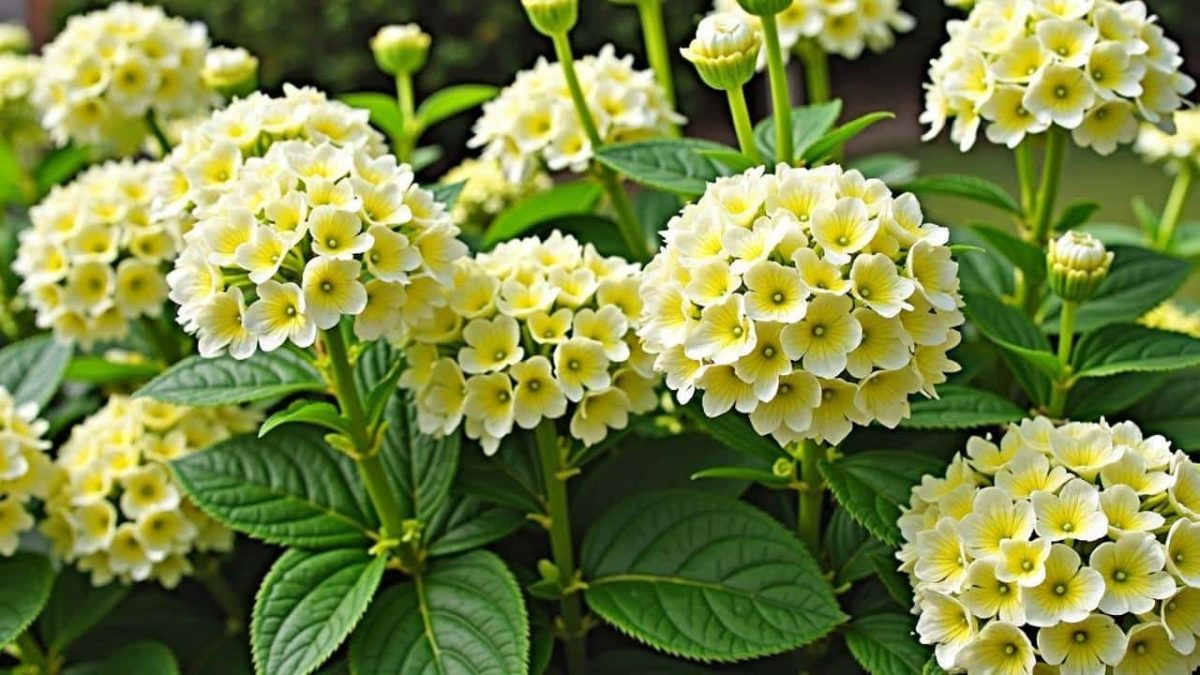
Your hydrangeas deserve to thrive, and while most gardeners focus extensively on watering frequencies and commercial fertilizer schedules, they’re missing an incredibly simple solution hiding in their kitchen. This natural element can transform not only the appearance of your hydrangeas but also their overall health and resilience. The best part? It’s probably something you’re already discarding every single day.
The Hidden Power of Coffee Grounds in Your Garden
Coffee grounds represent one of the most underutilized natural amendments available to home gardeners. Millions of households brew coffee daily, yet rarely consider the remarkable benefits those used grounds can provide to their plants. When spread across the soil surrounding your hydrangeas, coffee grounds work as a multifaceted solution that addresses several critical plant needs simultaneously.
The science behind this simple ingredient is fascinating. Coffee grounds contain essential nutrients that hydrangeas crave, including nitrogen, potassium, and magnesium. These elements are fundamental to chlorophyll production, which directly impacts the vibrant green coloration of foliage. Additionally, the grounds gradually release these nutrients as they decompose, creating a slow-release fertilizer effect that prevents nutrient imbalances and reduces the risk of fertilizer burn.
Why Hydrangeas Respond So Well to This Amendment
Hydrangeas are particular about their growing conditions, which explains why some gardeners struggle while others achieve spectacular blooms. These flowering shrubs thrive in slightly acidic soil, and here’s where coffee grounds become absolutely invaluable. The natural acidity of decomposed coffee creates an environment that hydrangeas genuinely love, encouraging stronger growth patterns and more abundant flowering.
>
The improvement in color intensity is particularly noteworthy. Gardeners who regularly apply coffee grounds report that their hydrangea blooms appear noticeably brighter and more saturated in color. This occurs because the nutrients in coffee grounds enhance the plant’s ability to produce pigments in the flowers. Furthermore, the improved soil structure created by these organic materials allows roots to access water and nutrients more efficiently, reducing plant stress and promoting consistent growth throughout the growing season.
Understanding the Nutrient Profile
Coffee grounds aren’t simply random kitchen waste—they’re nutrient-dense organic material. Used grounds contain approximately 2% nitrogen, which is precisely what hydrangeas need for lush foliage development. The potassium content supports flowering, while magnesium acts as the central component of chlorophyll molecules. This comprehensive nutrient package makes coffee grounds superior to many single-purpose fertilizers available at garden centers.
When you apply coffee grounds directly to your hydrangea’s soil, you’re not just feeding the plant for today—you’re improving the soil ecosystem. Beneficial microorganisms thrive in the presence of organic matter, creating a living soil that naturally supports plant health. These microbes break down the coffee grounds into plant-available forms and help suppress certain soil-borne diseases that can weaken hydrangeas.
The Correct Application Method
Knowledge of an ingredient’s benefits means nothing without understanding proper application. The most effective approach involves spreading a two-to-three-inch layer of dried coffee grounds around the base of your hydrangeas, maintaining a small buffer zone of several inches from the main stem. This prevents potential stem rot while allowing the grounds to gradually break down and integrate with the existing soil.
Timing matters significantly. Apply coffee grounds in early spring as your hydrangeas emerge from dormancy, then add supplementary applications every four to six weeks throughout the growing season. Some gardeners prefer mixing grounds directly into the top inch of soil during the initial application, which accelerates nutrient availability. During the growing season, you can simply spread grounds on the surface as a mulch, allowing rainfall and natural decomposition to incorporate them gradually.
One important consideration: fresh coffee grounds are more acidic than dried grounds. If you’re using fresh grounds immediately after brewing, use them more sparingly—approximately one inch of coverage rather than three inches. Alternatively, allow grounds to dry for a few days before application to reduce the concentration of acids and prevent potential nitrogen tie-up in the soil.
Complementary Care Practices
While coffee grounds work wonderfully on their own, combining them with proper hydration and appropriate sunlight exposure amplifies results. Hydrangeas generally prefer morning sun with afternoon shade, particularly in warmer climates. Consistent moisture is essential—aim for soil that feels like a wrung-out sponge rather than completely wet or dry.
If you’re starting from a position where your hydrangeas show signs of nutrient deficiency or poor color, coffee grounds work fastest when combined with regular watering. The water helps activate the breakdown process and moves nutrients into the root zone more quickly. Within four to six weeks of consistent application, you should notice improvements in foliage color and overall plant vigor.
Addressing Common Concerns
Some gardeners worry that caffeine residue might harm their plants. While coffee does contain caffeine, the amounts remaining in used grounds are negligible and don’t negatively impact hydrangeas or most garden plants. The decomposition process further neutralizes any remaining caffeine compounds. Thousands of gardeners successfully use coffee grounds without adverse effects.
Another consideration involves mold growth on grounds. If stored improperly, coffee grounds can develop mold, but this doesn’t pose problems when applied to garden soil. In fact, the beneficial fungi in mold actually assist with decomposition and nutrient cycling. However, to avoid potential issues, allow grounds to dry slightly before storage.
Long-Term Benefits Beyond Appearance
The advantages of regular coffee ground application extend far beyond the visual transformation of your hydrangeas. Improved soil structure means better drainage in clay-heavy soils and enhanced water retention in sandy soils. This balanced approach reduces stress on plants during both dry spells and heavy rainfall periods. Over time, your entire garden bed becomes more resilient and self-sufficient, requiring less intensive management.
Final Thoughts on Garden Success
The path to healthier, brighter hydrangeas doesn’t require expensive specialty products or complicated procedures. Instead, it involves recognizing the value in materials you already have available. Coffee grounds represent an elegant solution that combines environmental responsibility—reducing waste—with genuine horticultural benefits. Your hydrangeas will flourish, your garden will look more vibrant, and you’ll have discovered yet another reason to appreciate your daily coffee ritual.









Leave a Comment