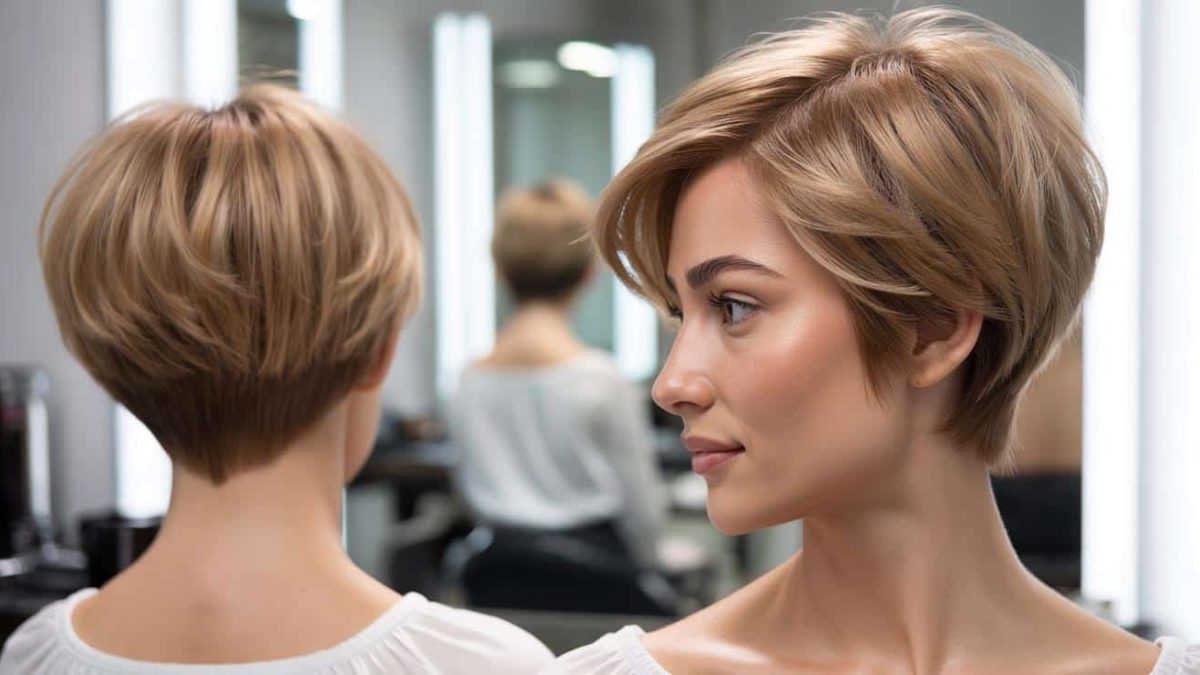
Managing fine hair can feel like an uphill battle. Your hair lacks natural density, struggles to hold onto volume throughout the day, and often appears limp no matter how many volumizing products you use. The frustration is real, and you’re not alone. Millions of people with fine hair textures face the same challenge: finding a hairstyle that doesn’t emphasize flatness while still looking current and stylish.
The good news? Choosing the right short haircut can completely transform how your fine hair looks and feels. Rather than fighting against your hair’s natural texture, strategic cutting techniques and specific styles can work alongside your hair’s characteristics to create visible volume and the appearance of noticeably thicker strands.
This article explores four exceptional short haircut options that are particularly effective for fine hair. Each style has been chosen for its ability to add dimension, create the illusion of density, and maintain volume without weighing down delicate strands.
Understanding Fine Hair Challenges
Before diving into specific haircuts, it’s important to understand why fine hair behaves differently. Fine hair refers to the thickness of individual hair strands, not the amount of hair on your head. Even if you have a full head of hair, each strand is thinner than average, which creates specific styling challenges.
Fine hair is more susceptible to breakage, tangles easily, and lacks the structural integrity to hold elaborate styles. Additionally, fine hair tends to absorb oils quickly from the scalp, making it appear limp and greasy faster than thicker hair types. Styling products that work wonderfully on thick hair can completely weigh down fine strands, creating the opposite effect of what you’re trying to achieve.
The solution isn’t to abandon styling altogether—it’s to work with your hair’s natural properties by choosing cuts and techniques that enhance rather than fight against fine hair’s characteristics.
The Modern Textured Pixie: Dimension Through Layers
The pixie cut has experienced a remarkable resurgence in popularity, and for fine hair, this classic style offers tremendous potential when executed correctly. However, not all pixie cuts are created equal. The key to making a pixie work for fine hair is incorporating strategic layering and texture rather than opting for a blunt, uniform cut.
A textured pixie cut involves shorter, choppy layers throughout the crown that create natural separation between strands. This layering technique serves multiple purposes: it reduces the weight that would normally pull fine hair flat, creates multiple angles that catch light differently, and gives the illusion of thicker hair through visual texture variation.
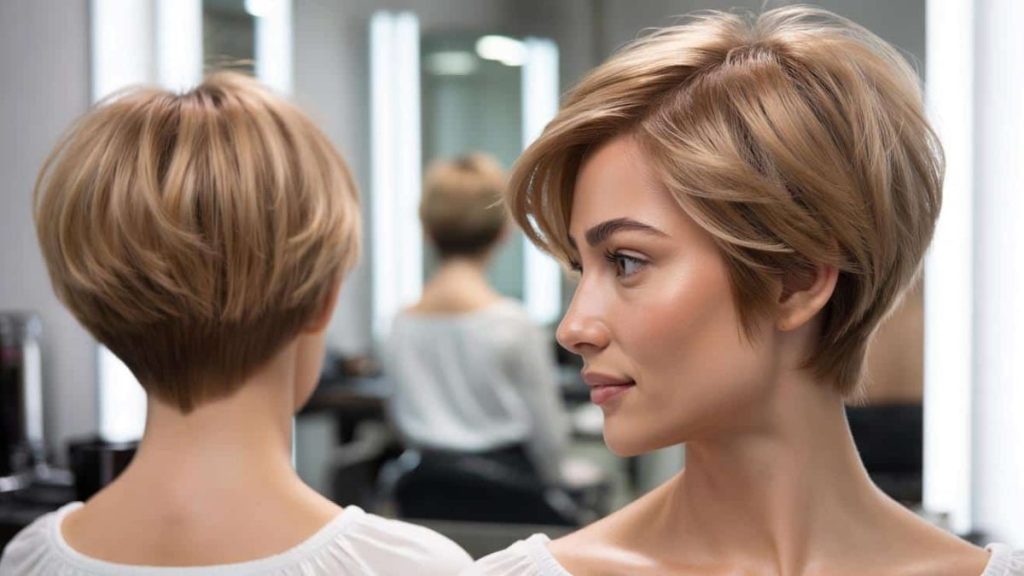
The beauty of this style lies in its versatility. You can wear it sleek and polished for professional settings, or embrace the textured, piecey look for a more casual aesthetic. The shorter length also means less weight overall, and the layers prevent that dreaded flat appearance that plagues many fine-haired individuals with longer styles.
Maintenance involves regular trims every four to six weeks to preserve the layered shape, but styling is remarkably simple. A light texturizing spray and minimal blow-drying can create excellent volume and movement.
The Choppy Layered Bob: Strategic Cutting for Maximum Impact
If you’re not ready to commit to pixie-length hair, a choppy layered bob offers similar volumizing benefits while providing more length options. This style features multiple layers of varying lengths that work together to create dimension and reduce overall weight.
Unlike blunt bobs that can appear thin and shapeless on fine hair, choppy bobs use strategic layering to create texture and movement. The shorter layers on top provide lift at the crown, while slightly longer layers underneath prevent the style from looking too wispy or disconnected.
The choppy bob works particularly well for fine hair because it addresses a fundamental challenge: maintaining shape and volume throughout the day. The layered structure means that even as your hair naturally falls and moves, the cut maintains its dimensional appearance. This style also pairs beautifully with beach waves or tousled styling, which creates additional texture and visual thickness.
Color can further enhance this style. Subtle highlights or dimensional coloring can add depth and make each layer more visually distinct, creating even greater perceived volume.
The Shaggy Crop: Retro Volume Meets Modern Edge
The shaggy crop represents a modern interpretation of the beloved shag cut from past decades. This style combines the length coverage of a traditional crop with the volume-creating layers of a shag, resulting in a cut that’s particularly flattering for fine hair.
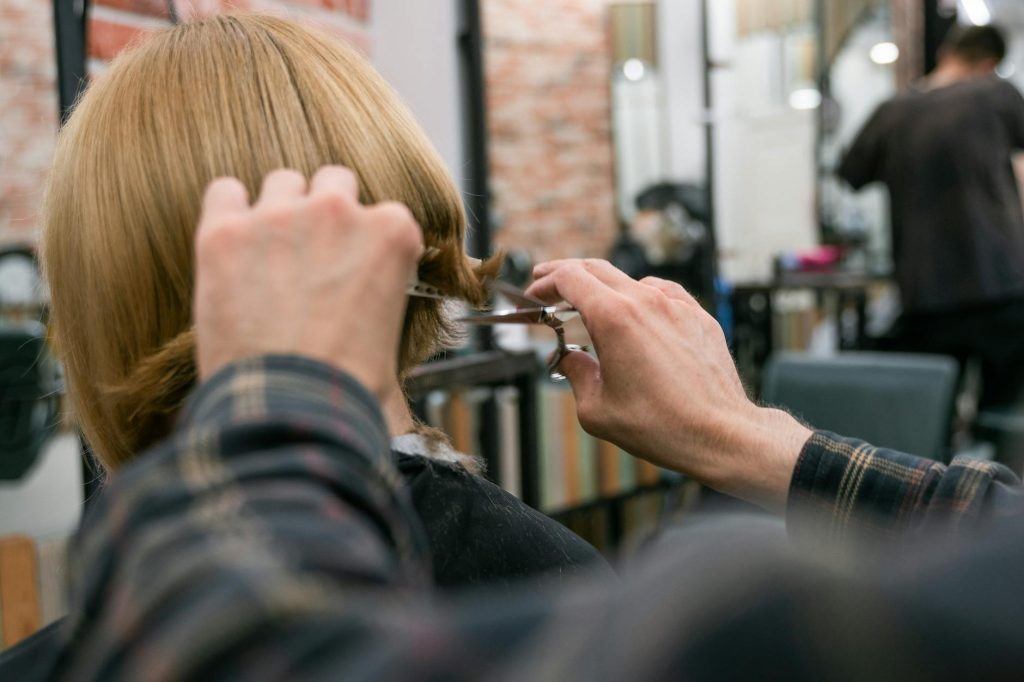
Shaggy crops feature longer layers throughout that create movement and separation without sacrificing coverage. The cut is longer than a pixie or standard bob, typically reaching to the ears or slightly beyond, but maintains significant texture through strategic layering. This additional length provides security for people hesitant to go too short, while the layers ensure the style doesn’t appear flat or lifeless.
This style gained renewed popularity partly because it flatters diverse face shapes and hair textures. For fine hair specifically, the shag’s built-in texture and movement counteract the flatness that longer, blunter styles often create.
Styling this cut involves embracing texture. A texturizing spray, sea salt spray, or light styling cream can enhance the natural layers and create a deliberately undone appearance that’s actually quite intentional and polished.
The Wispy Fringe Crop: Subtle Sophistication
For those seeking a more understated approach, the wispy fringe crop offers elegant volume enhancement. This style features a slightly longer top with a shorter back and sides, complemented by delicate, wispy bangs that graze the eyebrows.
The wispy fringe is particularly effective for fine hair because it creates a focal point at the face without requiring excessive length. The fringe itself creates dimension and movement, while the cropped sides and back reduce weight and bulk where it tends to emphasize thinness.
This style requires regular maintenance to keep the fringe shaped properly, but styling is minimal. The wispy nature of the cut means it naturally creates soft, textured movement without needing heavy products or extensive blow-drying.
Essential Styling Tips for Fine Hair Cuts
Regardless of which short haircut you choose, certain styling practices enhance volume and maintain the cut’s shape:
Invest in a quality blow dryer and use it strategically. Blow-drying against the direction your hair naturally falls creates lift and volume. Use a diffuser attachment to enhance texture without creating frizz.
Choose lightweight styling products. Creams and heavy pomades will weigh down fine hair, while volumizing sprays and texturizing products enhance dimension without adding weight.
Get regular trims every four to six weeks. Short haircuts depend on frequent maintenance to maintain their shape and prevent that scraggly, overgrown appearance that emphasizes thinness.
Consider your styling routine honestly. If you prefer wash-and-go styles, choose cuts with built-in texture. If you enjoy styling, opt for cuts that respond well to blow-drying and product application.
Finding Your Perfect Fine Hair Cut
The ideal short haircut for fine hair ultimately depends on your personal style preferences, face shape, lifestyle, and comfort level. However, the common thread among all effective options is that they work with your hair’s natural properties rather than against them.
When consulting with your stylist, bring pictures of styles you love and have an honest conversation about your hair’s challenges and your daily styling commitment. A skilled stylist experienced with fine hair will recommend cuts with appropriate layering, texturing, and length to maximize volume and minimize the appearance of thinness.
Fine hair deserves a haircut strategy specifically designed for its unique characteristics. With the right short style and proper care, you can transform thin, flat hair into a voluminous, textured look that feels as good as it looks.










Leave a Comment