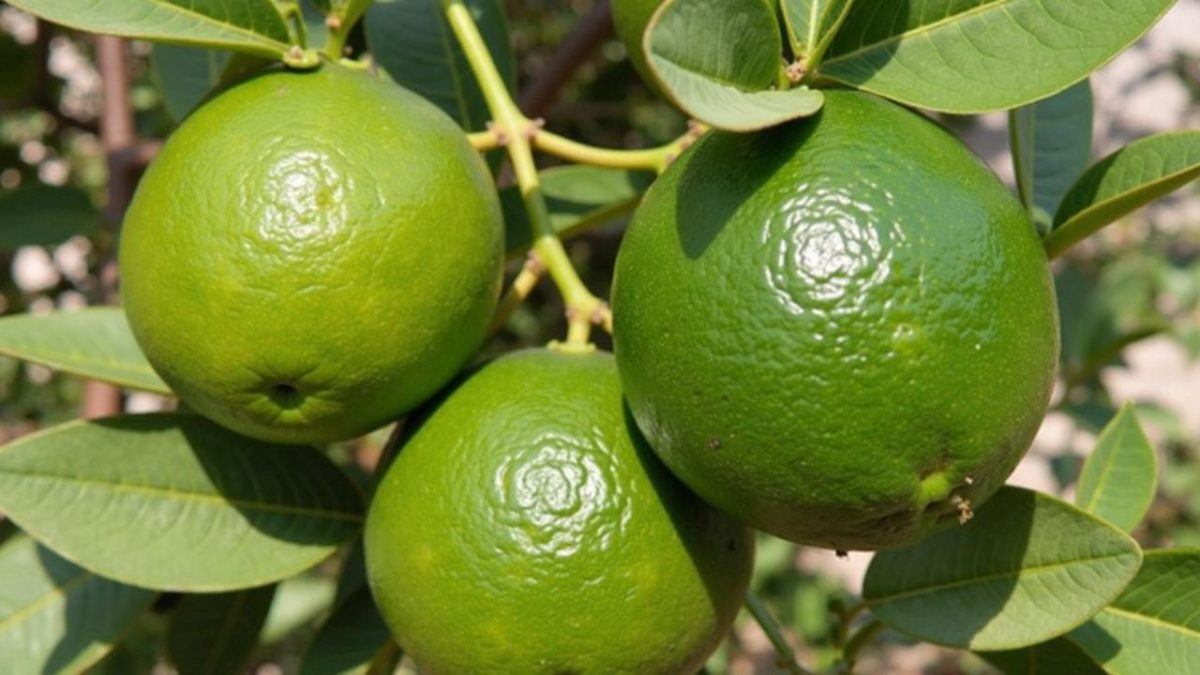
Your citrus trees might be silently struggling under the weight of poor pruning decisions. Many home gardeners spend entire weekends methodically cutting branch after branch, only to see minimal improvements in fruit production. But what if there was a smarter way—one that requires just a single, strategically placed cut and delivers visible results within the first week?
Understanding Why Most Citrus Pruning Fails
Traditional citrus pruning advice often leads gardeners astray. The standard approach involves removing crossing branches, thinning dense foliage, and balancing the overall canopy structure. While these principles have merit, they ignore a fundamental truth: citrus trees allocate energy based on structural signals. When you prune conventionally, you’re sending mixed messages to the tree about where to invest its resources.
Here’s what typically happens: A gardener removes several branches throughout the canopy, hoping to encourage fuller growth and better fruit development. The tree responds by producing new shoots in various locations, competing for nutrients and water. This creates internal competition that weakens overall productivity. The energy that could have gone toward flowering and fruiting gets diverted into establishing new growth patterns.
The real issue is that most gardeners approach pruning as if they’re sculpting a statue—trying to create a perfect shape. But citrus trees don’t care about aesthetics. They care about survival and reproduction. Understanding this difference changes everything.
The One-Cut Strategy Explained
The revolutionary single-cut method focuses on identifying and removing the tree’s “dominant energy sink”—typically the main vertical leader or the most vigorous upward-growing branch. This isn’t about removing multiple branches or creating a balanced canopy. It’s about making one precise cut that fundamentally alters how your tree prioritizes growth.
When you remove the dominant branch, you eliminate the primary competitor for resources. The tree’s natural response is to redirect all that accumulated energy toward secondary and tertiary branches that are more likely to produce fruit. This isn’t speculation—it’s horticultural science. Apical dominance, the principle that the uppermost branch suppresses growth in lower branches, is well-documented in plant physiology.
By cutting the strongest leader, you break apical dominance in one decisive move. The result? Lower branches suddenly receive permission to grow and flourish. These lateral branches are typically closer to the tree’s center and are already well-positioned for flower and fruit development.
Finding Your Strategic Cut Point
The success of this method depends on identifying the right branch to remove. Here’s how to locate it:
First, step back and observe your citrus tree from a distance. Look for the branch that appears to be growing with the most vigor—usually the one extending most vertically and showing the fastest growth. This is almost always the dominant energy sink you need to target. In young trees, it’s the central leader. In mature trees, it might be a particularly vigorous upper branch that’s shading the rest of the canopy.
Second, trace this branch down to where it connects to a significant lateral branch or the main trunk. This connection point is where you’ll make your cut. You want to cut just outside the branch collar—that slightly swollen area where the branch meets its parent branch or trunk. This positioning ensures proper healing and minimizes stress to the tree.
Third, consider the season. While citrus trees are relatively forgiving about pruning timing, late winter to early spring (just before new growth emerges) is optimal. This gives the tree the entire growing season to respond and redirect energy toward productive branches.
What Happens in the First Week
After making your strategic cut, changes begin almost immediately. Within three to five days, you’ll notice increased activity in the lower and lateral branches. New shoot growth becomes visible as the tree reroutes its resources. Within two weeks, you should observe noticeably fuller foliage in areas that previously looked sparse.
More importantly, flower buds begin forming earlier than usual on these newly energized branches. If your tree was mature enough to fruit before pruning, you’ll likely see flowering activity intensifying on branches that were previously overlooked by the tree’s biological priorities.
The visual transformation can be striking. Branches that appeared weak and unproductive suddenly burst with new growth. The entire tree takes on a fuller, more balanced appearance—not because you carefully shaped it, but because you removed the inhibitor preventing natural, balanced development.
Maximizing Results Beyond the First Cut
While one strategic cut delivers impressive results, you can compound the benefits through complementary practices. Once your primary cut heals and new growth emerges, light selective pruning of any crossing branches or dense clusters can further optimize light penetration without overwhelming the tree’s response systems.
Ensure consistent watering during the weeks following pruning. The increased growth activity and flower production demand more resources, and adequate water availability is crucial. Fertilization with a balanced citrus formula or one slightly higher in phosphorus promotes robust flowering once the foliage recovery phase completes.
Remove any competing new shoots that emerge directly from the cut area. You want the tree’s energy directed toward existing lateral branches, not toward developing replacement leaders that would restart the apical dominance cycle.
The Science Behind the Transformation
This method works because it leverages fundamental plant biology rather than fighting it. Citrus trees, like most plants, evolved to produce energy-expensive fruit only when conditions are favorable. When a single dominant branch is monopolizing resources, the tree “believes” conditions are better suited for vegetative growth and branch extension rather than fruit production.
By eliminating that dominant competitor, you signal that the tree should pursue its reproductive strategy. Lateral branches receive better light exposure and preferential nutrient allocation. The tree’s hormonal balance shifts toward flowering and fruiting rather than vegetative expansion.
Common Mistakes to Avoid
Don’t remove multiple branches in attempt to accelerate results. The power of this method lies in its singularity—one decisive change rather than scattered interventions. Multiple cuts confuse the tree’s response and may trigger excessive compensatory growth.
Avoid cutting too early in the season. Pruning too far in advance of spring growth can lead to cold damage on the fresh cut and delays in the tree’s response phase.
Don’t neglect aftercare. While citrus trees are hardy, they still benefit from proper wound treatment and monitoring for disease.
Results You Can Expect
Gardeners implementing this technique report noticeably fuller canopies within three weeks and significantly increased flowering within six weeks. The following harvest season typically shows improvements of 20-40% in fruit yield, sometimes more for previously neglected trees.
Your citrus trees are waiting for permission to reach their potential. One strategic cut provides exactly that, reshaping how your tree allocates its energy for maximum productivity.










Leave a Comment