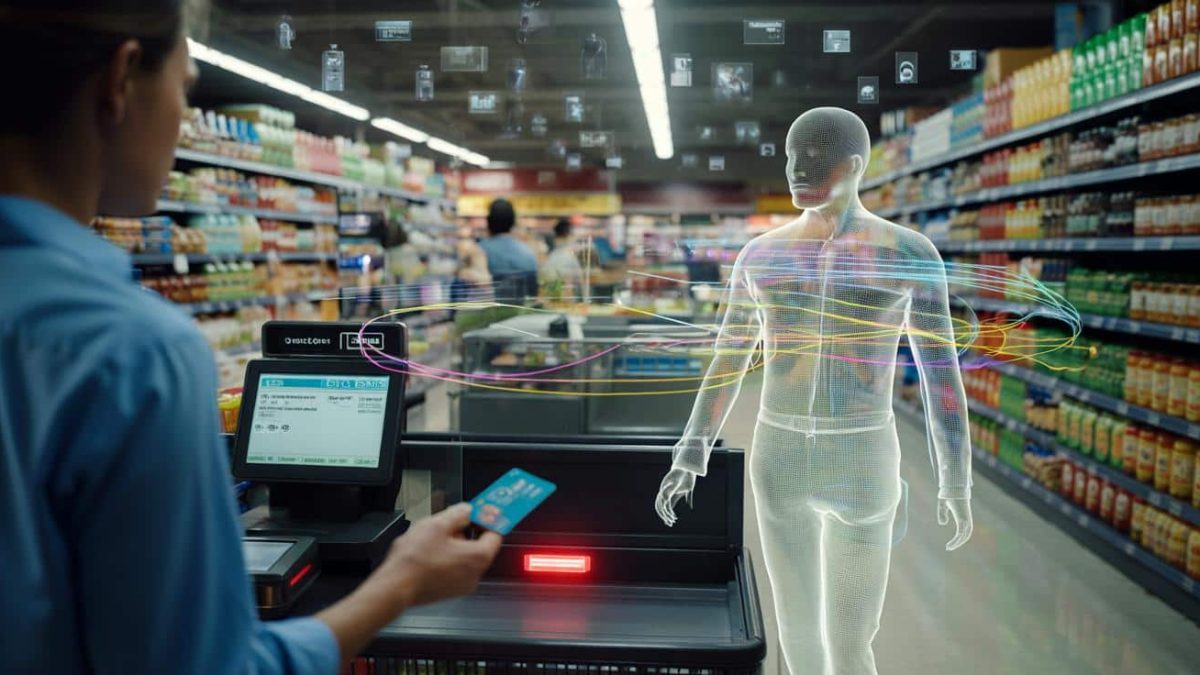
The beep of the supermarket scanner has become as familiar as the jingle of a doorbell, yet few of us pause to consider what happens after we hand over our loyalty card. That small plastic rectangle—or digital equivalent on our phones—isn’t just a convenient way to collect discounts. It’s a sophisticated surveillance tool that transforms every purchase into valuable behavioral data.
The Real Cost of Your Rewards
When retailers offer loyalty programs, they’re not simply being generous. The discounts and points represent a calculated exchange: your personal shopping information in return for modest savings. What makes this arrangement particularly revealing is how retailers value this data compared to the actual discounts they provide. Industry analysis shows that the average loyalty program discount hovers around 3-5% of total purchases, yet the insights gained from tracking purchasing patterns are worth exponentially more.
Every item you purchase—from the premium brands to the budget options, from organic produce to frozen dinners—tells a story about your lifestyle, income level, dietary preferences, and even potential health concerns. Retailers aggregate this information across millions of customers, creating detailed demographic and psychographic profiles that rival what traditional market research could uncover in years.
Understanding the Data Collection Architecture
Modern supermarket chains employ sophisticated systems that capture far more than just your product selections. These platforms track the time and day you shop, which store location you prefer, how long you spend in specific sections, which promotional materials you engage with, and even the sequence in which you select items. When combined with payment information, location data from your phone, and publicly available demographic records, this creates an astonishingly comprehensive profile of your consumer identity.
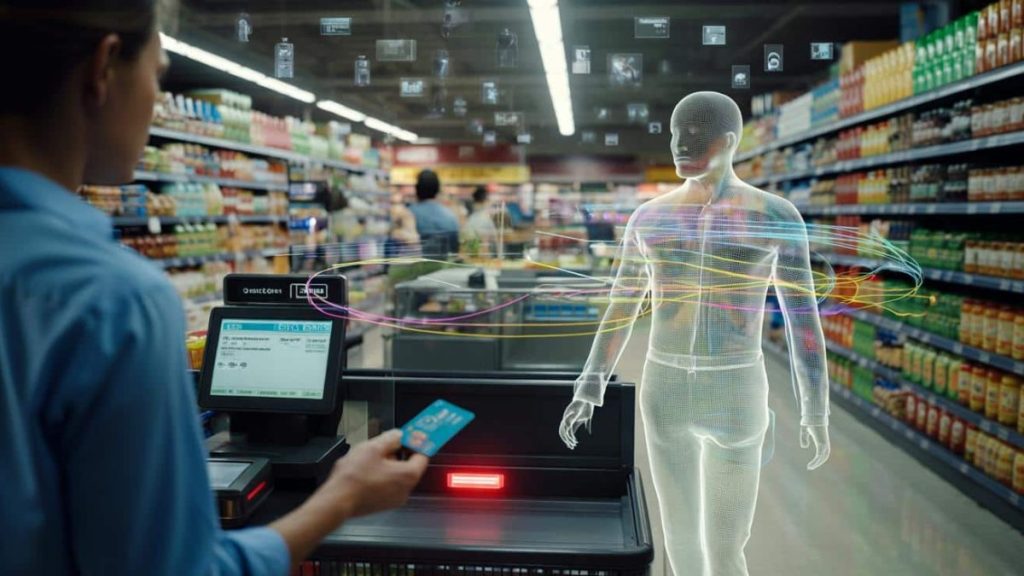
Some retailers have expanded their tracking capabilities beyond in-store purchases. They correlate loyalty card data with online shopping behavior, social media activity, and even email engagement patterns. This omnichannel approach means they can predict your needs before you realize them yourself and position products accordingly.
The Psychology Behind Strategic Personalization
Once retailers understand your shopping patterns, they weaponize this knowledge through carefully orchestrated marketing strategies. Personalized offers arrive via email, in-app notifications, and printed circulars designed specifically to appeal to your demonstrated preferences. The psychological principle at work here is behavioral targeting—the practice of predicting future behavior based on past actions.
Consider the parent who regularly purchases diapers and baby food. The system identifies them and begins strategically placing offers for complementary products like wipes, nursery furniture, and children’s clothing. These aren’t random suggestions; they’re precision-guided recommendations calculated to increase basket size and visit frequency. The shopper believes they’re receiving personalized value when they’re actually being guided along a predetermined path.
The Discount Architecture: Creating Perceived Value
Loyalty programs are masterfully designed to create an illusion of savings while often resulting in increased total expenditure. Retailers achieve this through several tactics. First, they offer steeper discounts on items they want to sell more of—often products with higher profit margins or excess inventory. This trains customers to purchase specific brands or categories they might not have otherwise considered.
Second, the system creates artificial urgency through limited-time offers exclusive to loyalty members. The fear of missing out drives purchase decisions that might otherwise be postponed or avoided. Third, loyalty programs encourage customers to consolidate their shopping at a single retailer, which naturally increases total spending as customers purchase items they previously bought elsewhere.
The Hidden Algorithm of Cross-Selling
Behind the scenes, machine learning algorithms work continuously to identify cross-selling opportunities. If your purchase history shows you buy Greek yogurt regularly, the system flags this and begins offering deals on granola, honey, and berries—products that complementary customers frequently purchase together. This isn’t coincidence; it’s algorithmic orchestration designed to increase the perceived value of your shopping trip while simultaneously boosting sales of complementary items.
Privacy Implications and Data Security Concerns
Beyond the behavioral manipulation concerns, loyalty program participation raises serious privacy questions. Retailers maintain detailed records of your purchases, and this data represents a valuable asset that’s sometimes sold to third parties, shared with manufacturers, or exposed through security breaches. Several major retailers have experienced data breaches affecting millions of loyalty members, compromising sensitive purchase and payment information.

Moreover, the profiles retailers create can be remarkably intimate. Health-conscious shoppers can be identified by their purchasing patterns. Pregnant women have been identified through predictive analytics analyzing purchase data. Financial distress can be inferred from shifts toward budget brands. This level of behavioral insight, when combined with data from other sources, creates a comprehensive dossier of your personal life.
The Alternatives and Digital Resistance
Recognizing these concerns, a growing number of consumers are questioning whether the modest discounts justify the surveillance. Some opt out of loyalty programs entirely, accepting slightly higher prices rather than enabling continuous tracking. Others use privacy-focused strategies like maintaining multiple payment methods or avoiding programs entirely.
However, opting out comes with real costs. Loyalty members often receive prices unavailable to non-members, making participation economically rational despite privacy concerns. This creates a troubling dynamic where privacy preservation becomes a luxury only those willing to pay premium prices can afford.
Looking Forward: The Future of Retail Surveillance
As technology advances, loyalty program surveillance is becoming increasingly sophisticated. Facial recognition, biometric scanning, and advanced location tracking promise even more invasive monitoring. Some retailers are experimenting with emotion recognition technology and predictive analytics that claim to anticipate purchases before customers consciously decide to make them.
Understanding what happens when you swipe your loyalty card is essential in our data-driven world. The discounts are real, but so are the consequences—both for your wallet and your privacy. The question isn’t whether retailers will continue tracking your behavior, but rather how you’ll choose to engage with these systems moving forward.











Leave a Comment