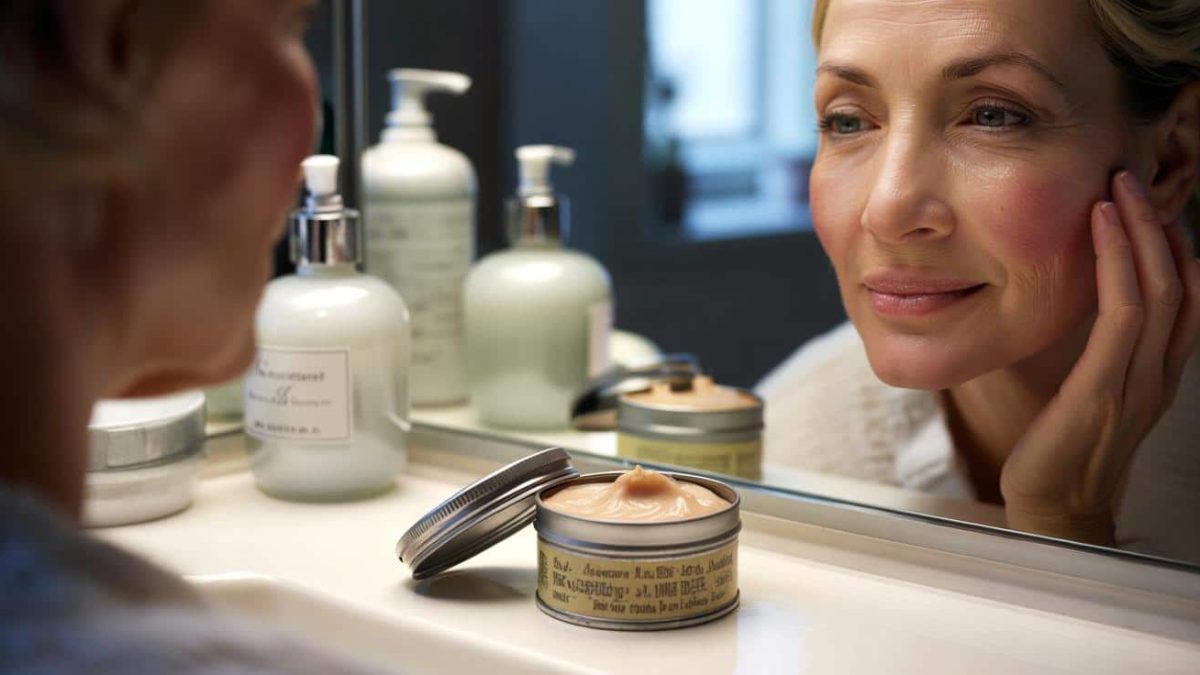
The bathroom shelf evolution tells an interesting story about consumer behavior and marketing influence. Over the past two decades, we’ve witnessed an explosion of luxury skincare brands, each promising revolutionary formulations backed by cutting-edge science. Yet something peculiar has emerged from recent independent testing: a humble, unadorned moisturizer that’s been around since the 1960s consistently outperforms products costing ten times as much.
When Packaging Overshadows Performance
The skincare industry generates over $140 billion annually, with luxury brands capturing an increasingly large share of that market. Marketing budgets for premium moisturizers often exceed research and development costs, creating an interesting paradox. Consumers have been conditioned to believe that sleek packaging, celebrity endorsements, and premium price points equate to superior efficacy.
Enter blind testing—a methodology that strips away all visual cues, brand recognition, and marketing influence. When testers cannot see the product’s packaging, logo, or price point, something remarkable happens: their evaluation criteria shift entirely to actual performance. No longer influenced by aesthetic presentation or brand prestige, participants focus solely on how the product feels, absorbs, and performs on skin.
The Blind Test Revelation

Independent laboratories conducting double-blind studies have documented surprising results that challenge conventional skincare wisdom. A classic formulation featuring straightforward ingredients—mineral oil, glycerin, and petrolatum—consistently ranked among the highest for hydration retention, skin smoothness, and texture improvement after four weeks of use.
What makes these findings particularly significant is the consistency of results across diverse participant demographics. Different age groups, skin types, and climates all showed comparable satisfaction levels. Meanwhile, several luxury brands featuring trendy ingredients like bakuchiol, niacinamide complexes, and plant stem cell extracts scored lower in blind evaluations, despite their premium positioning and scientific-sounding ingredient lists.
The mechanism behind this effectiveness lies in simplicity rather than complexity. The classic formula creates an effective moisture barrier without irritating ingredients that might trigger sensitivity reactions. Many modern luxury moisturizers include numerous actives and botanical extracts that, while beneficial individually, can create cumulative irritation when combined—something rarely discussed in marketing materials.
Why Dermatologists Remained Quiet
Board-certified dermatologists have privately recommended these straightforward formulations for years, particularly for patients with compromised skin barriers or sensitivity issues. However, the financial relationship between the dermatology industry and luxury skincare brands has complicated public messaging. Prominent dermatologists often receive speaking fees, research funding, and consultation payments from prestige cosmetic companies.
This creates an inherent conflict of interest. A dermatologist might genuinely prefer recommending an affordable, effective moisturizer to their patients, but professional and financial relationships sometimes discourage such recommendations. The situation mirrors pharmaceutical industry dynamics, where relationships between doctors and medication manufacturers influence prescribing patterns.
Recent conversations within dermatological communities suggest shifting attitudes. Younger practitioners, less invested in longstanding industry relationships, appear more willing to acknowledge that price and performance show minimal correlation in moisturizer categories.
The Science Behind Simple Formulations
Dermatological research consistently demonstrates that effective moisturization requires just three components: humectants (drawing water to the skin), emollients (softening and smoothing), and occlusives (sealing moisture). The classic formula mentioned in these blind tests contains all three in optimized ratios.
Many luxury alternatives pursue complexity unnecessarily. Brands include peptides, retinol derivatives, vitamin C stabilized compounds, and numerous plant extracts—ingredients that do provide some benefits but pale in importance compared to fundamental hydration mechanisms. Furthermore, increased ingredient complexity correlates with increased potential for irritation and sensitization.
Independent chemistry analysis of both products reveals negligible differences in core hydrating properties. The primary distinction lies in marketing narrative and packaging aesthetics rather than formulation superiority.
Consumer Psychology and Perceived Efficacy
Interestingly, when blind testing participants learned which product was the inexpensive classic and which was the luxury brand, their opinions sometimes shifted. This phenomenon, well-documented in consumer psychology, demonstrates how brand knowledge influences perception. A product that feels excellent remains subjectively “better” when believed to be expensive, even after direct sensory comparison proved otherwise.
This psychological mechanism represents a significant driver of luxury skincare sales. Consumers aren’t necessarily deceived about product quality; rather, they’re experiencing genuine satisfaction enhancement through premium brand association. The high price becomes a feature itself, signaling quality and exclusivity regardless of objective performance metrics.
What This Means for Your Skincare Routine
The implications of these blind testing results extend beyond academic interest. For consumers spending hundreds monthly on skincare, the findings suggest potential for substantial savings without performance sacrifice. Individuals with eczema, rosacea, or sensitive skin conditions might particularly benefit from simpler formulations less likely to trigger reactions.
However, this doesn’t mean luxury skincare holds no value. Some individuals genuinely prefer the sensory experience of premium products, find value in additional actives for specific concerns, or simply enjoy the psychological benefits of luxury purchases. Personal preference and individual skin needs remain important factors.
The key takeaway involves informed decision-making. Consumers should understand that premium pricing doesn’t guarantee superior hydration or skin health outcomes. Testing products through blind evaluation methods—removing packaging bias and focusing on actual performance—represents a rational approach to skincare shopping.
The Future of Skincare Transparency
These blind testing results are prompting conversations about industry transparency and marketing ethics. Several dermatological associations have begun emphasizing ingredient education and performance-based evaluation rather than brand prestige. This shift could reshape skincare recommendations and consumer expectations.
Some luxury brands have responded by reformulating products with simplified ingredient lists or emphasizing specific actives backed by research data. Others have maintained status quo strategies, banking on continued brand loyalty and marketing effectiveness.
The conversation ultimately benefits consumers through increased awareness of what actually matters in skincare. Whether choosing classic formulations or luxury alternatives, informed decisions beat uninformed ones—and that’s something both affordable and premium brands can support.









Leave a Comment