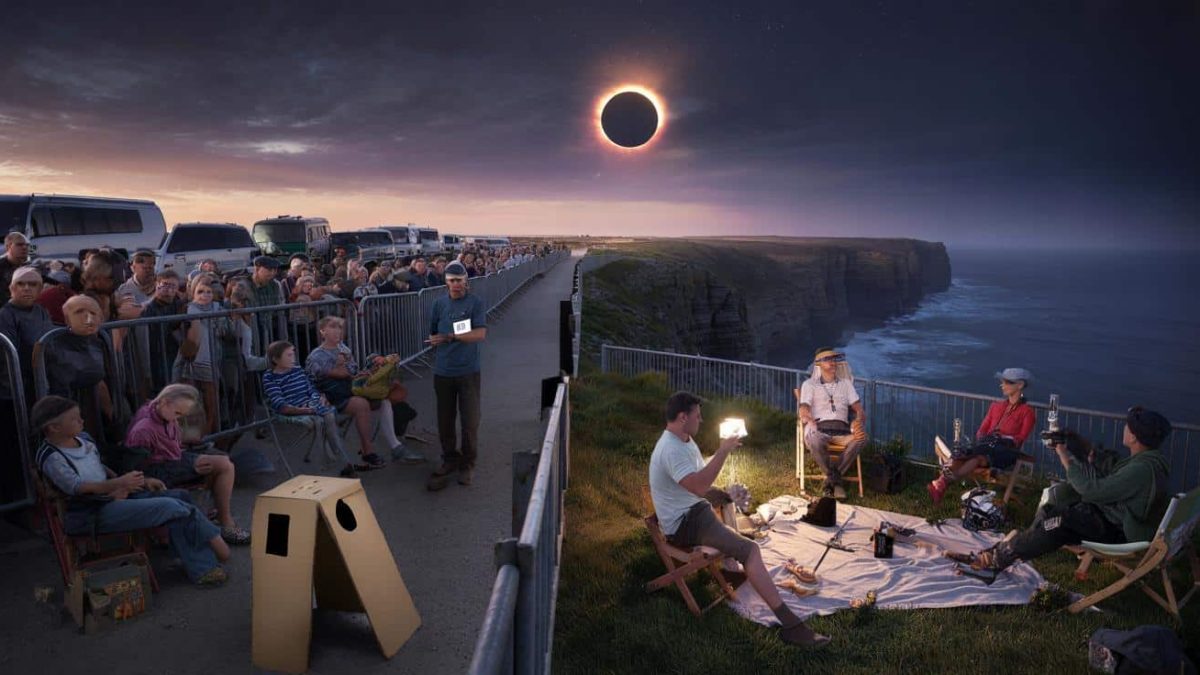
As the countdown begins to one of the most anticipated celestial events of our lifetime, a heated debate unfolds in communities preparing to witness six minutes of total darkness. The question consuming local authorities, tourism boards, and residents alike isn’t just about logistics or safety—it’s about fairness, access, and who has the right to experience nature’s most spectacular show.
The Perfect Storm of Opportunity and Conflict
When the moon slides directly between Earth and the sun, casting a shadow across entire regions, something remarkable happens. For a brief window, day becomes night, stars emerge at midday, and temperatures plummet. This isn’t just another astronomical event; it’s an occasion that draws millions of eyes skyward and reshapes how communities plan their futures.
The problem is ancient: when something is simultaneously rare, valuable, and free, everyone wants access. In the weeks leading up to the eclipse, this timeless conflict takes on new dimensions. Tourism operators see dollar signs. Local governments worry about infrastructure collapse. Residents fear their communities will be swallowed by visitor hordes. And somewhere in the middle, regular people wonder if they’ll get to experience the eclipse in their own hometowns.
Premium Access vs. Democratic Viewing Rights
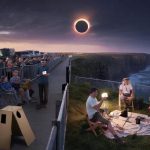
The most picturesque eclipse-path locations have become battlegrounds for competing interests. Private resorts and tour operators have begun offering eclipse packages at premium prices, sometimes exceeding ten thousand dollars per person. These packages guarantee premium seating, facilities, expert commentary, and protection from the anticipated crowds.
On one side of the argument, business operators contend that they’re providing legitimate services. They’re arranging transportation, coordinating accommodations, hiring specialists, and shouldering significant financial risk. Why shouldn’t they profit from these investments? Their customers are willing to pay, and the revenue supports local economies.
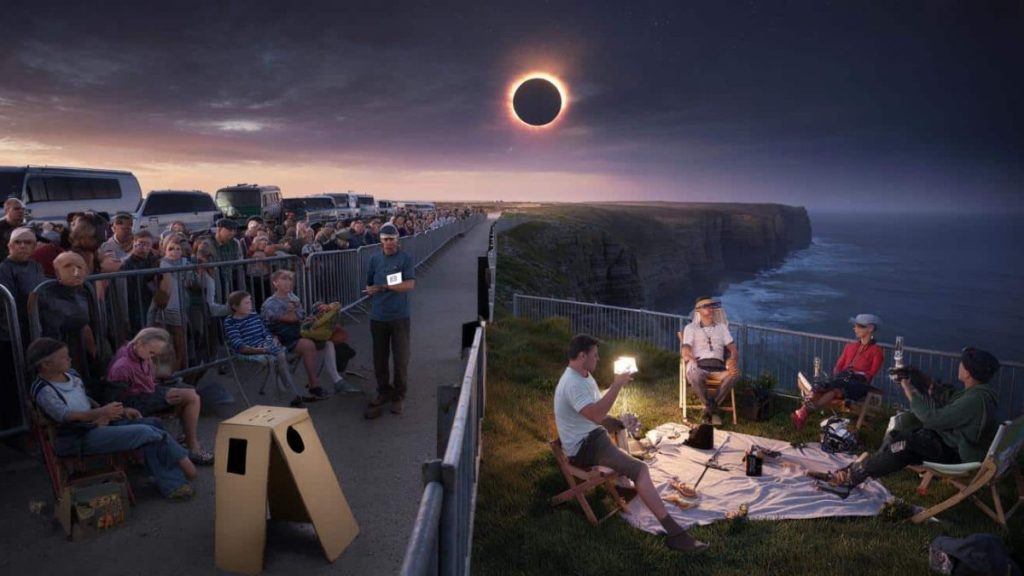
On the other side, public interest advocates raise uncomfortable questions. Should natural phenomena visible to everyone be accessible primarily to wealthy individuals? If a person has lived in the eclipse path their entire lives, should they be outbid for viewing spots in their own community? What happens to those without financial means?
Local Authority Dilemmas and Limited Space
Small towns directly in the path of totality face impossible decisions. A coastal town with five thousand permanent residents anticipates fifty thousand visitors during eclipse week. Where will they park? What happens to water supplies and sanitation systems? Which venues can handle the crowds safely?
Rather than leave these questions to chance, some municipalities have begun restricting access to prime viewing areas. Certain beaches, parks, and observation points now require advance registration or entrance fees. Some have implemented lottery systems for limited spots. Others have designated specific areas for residents versus paying visitors.
This patchwork approach creates new inequities. A retiree on a fixed income might lose the lottery for their favorite local beach. A family saving for a vacation might arrive to find premium locations already sold out. Meanwhile, organized tours continue operating at full capacity for those who can afford them.
The Question of Community Ownership
Perhaps the most fundamental issue underlying these debates involves property rights and public trust. Most prime viewing locations are either public lands or private property within communities that have existed long before eclipse tourism became relevant. Should the astronomical accident of the moon’s path override traditional access patterns?
Progressive municipalities have begun exploring middle-ground solutions. Some reserve portions of prime locations for residents while allowing commercial operators limited access in designated areas. Others have funded expanded viewing facilities specifically to accommodate both tourists and locals. A few communities have attempted to negotiate with private property owners to create temporary public access agreements.
The effectiveness of these compromises remains uncertain. Early reports from test locations suggest that even well-coordinated systems struggle with the sheer volume of enthusiasts. And the question of fairness persists regardless of how many chairs you arrange.
Economic Reality Meets Social Justice
The eclipse access debate ultimately reflects broader tensions in contemporary society. Tourism generates vital revenue for struggling communities. At the same time, commercializing natural wonders and astronomical events creates barriers for ordinary people experiencing their home region.
Progressive economic models suggest potential solutions. Some communities are exploring public-private partnerships where commercial operators contribute to infrastructure improvements that benefit everyone. Others are experimenting with sliding-scale fees based on residency and income. A few innovative municipalities have established eclipse appreciation funds, collecting visitor fees and redistributing portions to support local residents’ experiences.
These approaches acknowledge economic realities while asserting that communities have legitimate interests in their own celestial moments. They suggest that tourism and access needn’t be either-or propositions.
Looking Beyond the Eclipse
How authorities handle this eclipse matters beyond the single event. The precedent established this year will influence how communities manage future natural phenomena, major celestial events, and concentrated visitor surges. Will natural wonders become predominantly experiences for those with disposable income? Or can we develop systems that honor both economic contributions and democratic access?
The six minutes of darkness approaching will reveal more than just the sun’s corona. It will illuminate how we balance commercial opportunity with community equity, individual rights with collective benefit, and economic growth with social justice. As cities finalize their eclipse policies, they’re essentially answering a larger question: in pursuing prosperity, who do we leave behind?
The eclipse itself doesn’t care who watches. The sun will vanish for exactly the same duration whether witnessed by resort guests or residents. But human systems do care, and how we organize that watching says something important about our values. In the shadow of the approaching eclipse, communities across the path have a choice to make—not just about logistics and security, but about the kind of society we want to be.








Leave a Comment