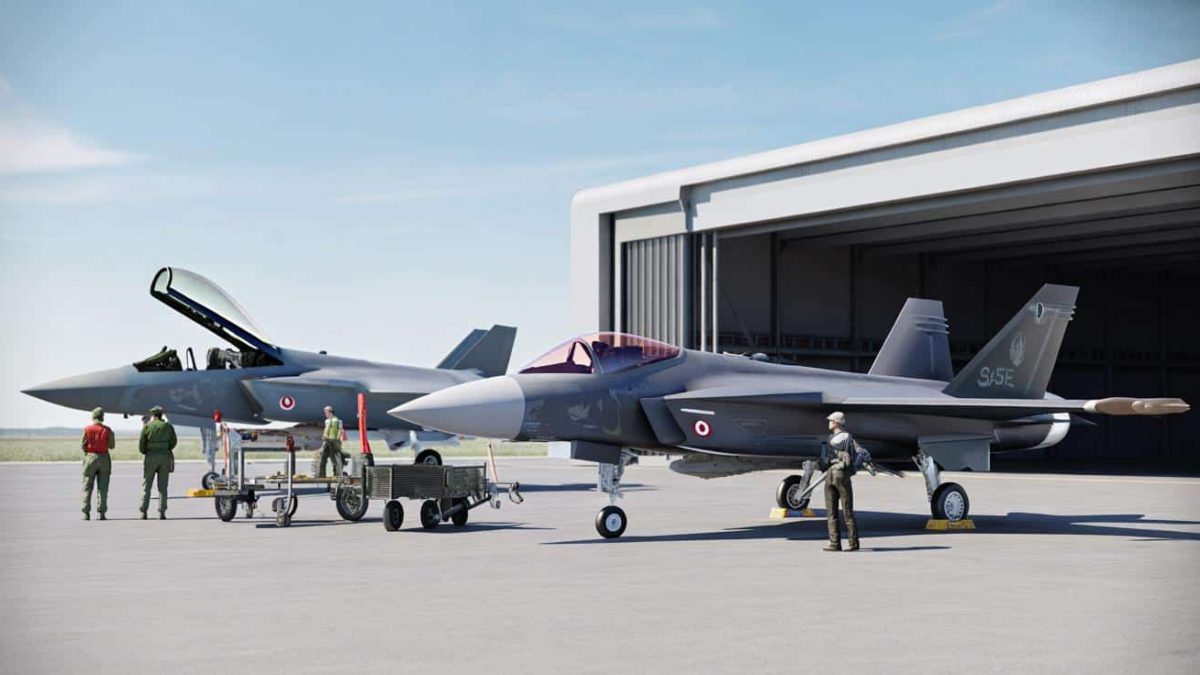
The race for Canada’s next-generation fighter aircraft has taken a surprising turn, with Swedish defense innovator Saab making a bold move that could reshape how defense procurement decisions unfold across North America. By releasing extensive technical specifications and performance data about the Gripen, Saab has fundamentally altered the competitive dynamics of this crucial selection process.
Understanding the Strategic Shift in Defense Procurement
When nations undertake major military acquisitions, the decision-making process typically involves classified evaluations, restricted technical briefings, and carefully controlled information flows. Saab’s approach represents a departure from this traditional playbook. By voluntarily sharing comprehensive documentation about the Gripen’s capabilities, the Swedish manufacturer is betting that informed decision-making benefits innovative platforms that might otherwise remain overshadowed by more established competitors.
Canada stands at a critical juncture in its military modernization strategy. The Canadian Armed Forces require a solution that balances operational effectiveness, long-term sustainability, fiscal responsibility, and technological advancement. This decision will influence continental defense architecture for decades, affecting not just Canadian capabilities but also interoperability with NATO allies and North American air defense systems.
The Dual-Fleet Concept Explained
Central to Saab’s pitch is the innovative dual-fleet strategy, which proposes a mixed-aircraft approach rather than standardizing on a single platform. This concept suggests maintaining two complementary aircraft types within Canada’s air force, each optimized for specific operational roles and scenarios.
The traditional argument against multi-platform fleets emphasizes increased training complexity, spare parts fragmentation, and logistical complications. However, proponents of the dual-fleet model argue that strategic advantages emerge when aircraft are purpose-built for distinct missions. A lighter, more agile platform might excel in rapid-response scenarios and training operations, while a heavier, multi-role aircraft handles complex combat situations and extended-range missions.
For Canada specifically, the dual-fleet approach could mean leveraging the Gripen’s efficiency and operational flexibility alongside another platform that addresses different capability requirements. This configuration might reduce overall costs compared to single-platform solutions while providing operational advantages through specialization.
Technical Transparency as Competitive Advantage
Saab’s decision to release detailed technical information represents an unconventional marketing strategy within defense industries. Historically, specifications remain proprietary information, revealed only through formal government channels under strict confidentiality agreements. By proactively sharing this data, Saab demonstrates confidence in the Gripen’s capabilities while addressing skepticism about the platform’s suitability for Canadian operations.
The documentation released likely covers performance metrics including speed capabilities, range parameters, payload capacity, operational altitude specifications, and sensor systems architecture. For procurement committees evaluating technical feasibility, such transparent disclosure eliminates guesswork and enables more rigorous comparative analysis.
This transparency also signals organizational confidence. Manufacturers hiding critical information often raise red flags about platform limitations or undisclosed vulnerabilities. Saab’s openness suggests the company believes the Gripen’s actual performance data supports its candidacy in the Canadian selection process.
Addressing Canadian Operational Requirements
Canada’s geographic expanse and climate conditions present unique operational demands. Arctic sovereignty protection, vast territory coverage, rapid response capabilities, and interoperability with North American air defense systems all factor into the selection equation. The Gripen’s design heritage in Scandinavia provides inherent advantages in cold-climate operations.
Swedish fighter development evolved in a context where rapid airfield operations, fuel efficiency, and harsh environmental performance were essential design parameters. The Gripen benefits from engineering developed specifically to address these challenges, potentially offering advantages in Canadian operational scenarios that competing platforms prioritize differently.
Furthermore, the Gripen’s relatively compact dimensions and reduced maintenance requirements could prove valuable for Canadian operations. Smaller airfields across the country could accommodate Gripen operations more readily than some larger competitors, potentially improving force distribution and rapid-response capabilities across the nation.
NATO Integration and Alliance Considerations
Any Canadian fighter selection must ensure seamless integration within NATO frameworks and North American defense protocols. Saab has emphasized how the Gripen maintains full compatibility with NATO systems, sensor networks, and data-sharing infrastructure. The platform already operates successfully with multiple NATO allies, providing proven interoperability credentials.
As NATO emphasizes integrated air defense and networked operations, the ability to participate fully in allied systems matters as much as individual aircraft performance. Saab’s documentation likely addresses these integration points comprehensively, demonstrating that Gripen adoption wouldn’t compromise Canada’s role in continental defense architecture.
The Financial Dimension of Aircraft Selection
Beyond technical specifications, procurement decisions ultimately hinge on cost-effectiveness analysis. Life-cycle costs—encompassing acquisition, maintenance, training, and operational expenses over decades—determine real value propositions. The Gripen’s reputation for operational efficiency and reduced maintenance demands could translate into significant financial advantages.
The dual-fleet strategy also carries financial implications. Rather than committing to a single platform in massive quantities, a diversified approach might optimize spending by acquiring smaller quantities of highly specialized aircraft types. This strategy could reduce overall program costs while maintaining operational flexibility.
Future Implications for Air Defense Evolution
Canada’s fighter selection will influence continental air defense for the coming forty years. The chosen platform will shape pilot training programs, maintenance infrastructure, defense industrial partnerships, and technological adoption timelines. This decision represents far more than simple equipment procurement—it represents a strategic commitment to a particular vision of modern air warfare.
Saab’s transparent engagement in this process reflects confidence that the Gripen represents the optimal solution for Canada’s future security environment. By providing detailed technical information, the company enables informed decision-making while positioning itself as a partner committed to Canadian defense excellence.
As Canada’s procurement process continues, Saab’s strategic transparency approach may establish new benchmarks for how defense manufacturers engage with government customers evaluating critical military capabilities.









Leave a Comment