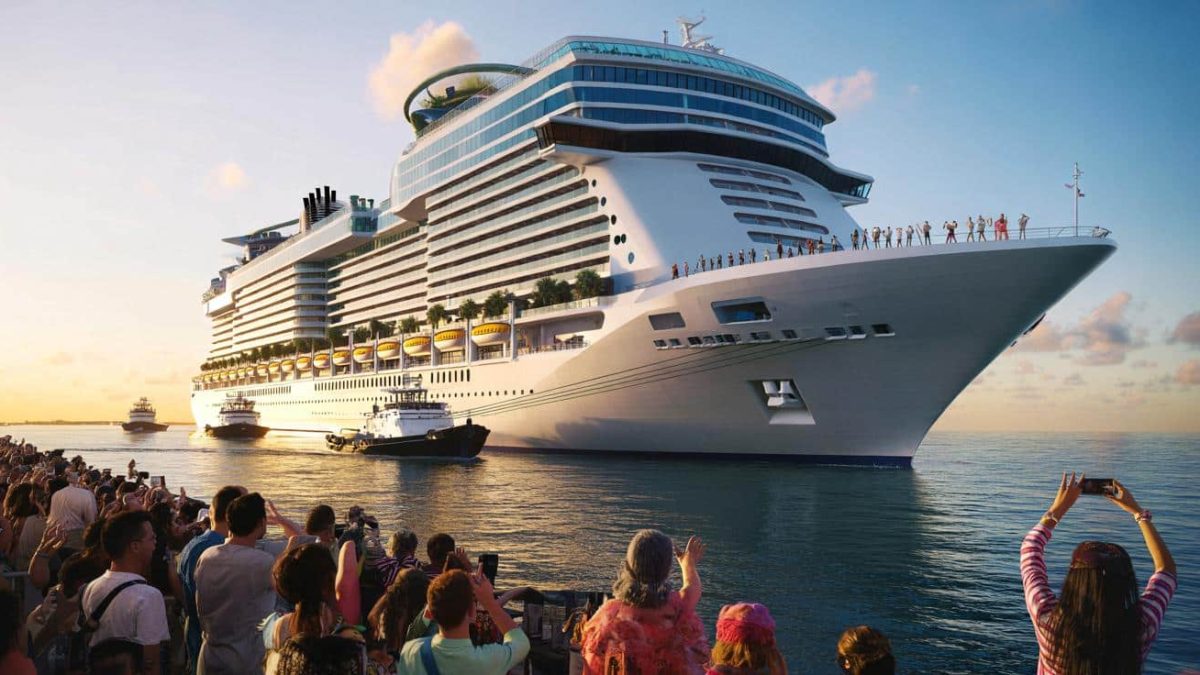
The cruise industry has witnessed countless innovations throughout its storied history, but few moments can compare to the spectacle of watching the world’s largest cruise ship slip away from the dock and into the open Atlantic. This architectural marvel doesn’t just represent a new vessel—it symbolizes the evolution of modern maritime engineering and the relentless push toward creating increasingly ambitious floating destinations.
A Behemoth of Modern Engineering
When maritime engineers speak of this new megaship, numbers alone fail to capture its true grandeur. At 250,000 gross tons, this vessel dwarfs most structures you’ll encounter in everyday life. To put this in perspective, it weighs approximately equivalent to 50 Empire State Buildings or roughly 3,000 fully loaded Boeing 747 aircraft. The ship stretches nearly 1,200 feet—longer than four football fields placed end to end—making it difficult for many ports around the world to accommodate its massive hull.
What makes these dimensions even more remarkable is the sheer complexity involved in constructing such a vessel. Modern cruise ships require intricate coordination between thousands of workers, utilizing cutting-edge design software and precision engineering techniques that would have seemed like science fiction mere decades ago. The construction process alone took several years and involved assembling over 2,000 compartments, each carefully designed to work in harmony with the others.
Floating City Population
Perhaps the most astonishing aspect of this maritime giant is its capacity. The ship carries more passengers than many small municipalities—making it genuinely accurate to describe it as a floating city. When fully occupied, this vessel functions as a self-contained community complete with all the services, entertainment, and amenities you’d expect from a major metropolitan area.
This unprecedented capacity fundamentally changes how the cruise industry operates. Where previous generations of cruise ships might carry 3,000 to 4,000 passengers, this new megaship accommodates significantly more while still maintaining service quality and guest experiences. From fine dining restaurants to Broadway-style theaters, from sprawling water parks to exclusive spa facilities, this vessel contains entire worlds of entertainment and relaxation.
The logistics of operating such a massive vessel prove equally impressive. The ship requires sophisticated systems to manage fresh water distribution, waste management, power generation, and food storage for thousands of people simultaneously. The galley produces approximately 25,000 meals daily, requiring inventory management on a scale typically associated with large hospitality corporations rather than individual ships.
Innovation in Naval Design
Beyond its sheer size, this megaship showcases numerous technological innovations that represent the cutting edge of maritime engineering. Advanced propulsion systems ensure fuel efficiency despite the vessel’s enormous mass, while sophisticated navigation technology allows pilots to maneuver this floating city through increasingly crowded waterways with remarkable precision.
Environmental considerations played a crucial role in this ship’s design. Modern cruise vessels face increasing scrutiny regarding their environmental impact, and this new ship incorporates numerous sustainability features. Enhanced ballast water treatment systems, advanced waste management protocols, and more efficient engine designs all contribute to reducing the vessel’s ecological footprint. Many of these innovations may seem incremental, but collectively they represent meaningful progress toward more environmentally responsible ocean travel.
The Maiden Voyage Experience
The inaugural voyage of such a massive vessel constitutes a historic moment for the cruise industry. Thousands of guests boarded this floating metropolis for the first time, eager to experience the innovations and amenities that took years to develop. From the moment passengers embarked, they discovered an entirely reimagined cruise experience with entirely new entertainment venues, dining concepts, and recreational facilities that previous generations of ships simply couldn’t offer.
The maiden voyage serves multiple purposes beyond simply transporting tourists. It functions as an extended quality assurance test, allowing crew members to identify any issues before the ship enters regular service. Technical specialists monitor every system, documenting performance data that will inform future vessel designs. This rigorous testing ensures that all systems work flawlessly when the ship begins its regular itinerary.
Industry Implications and Future Trends
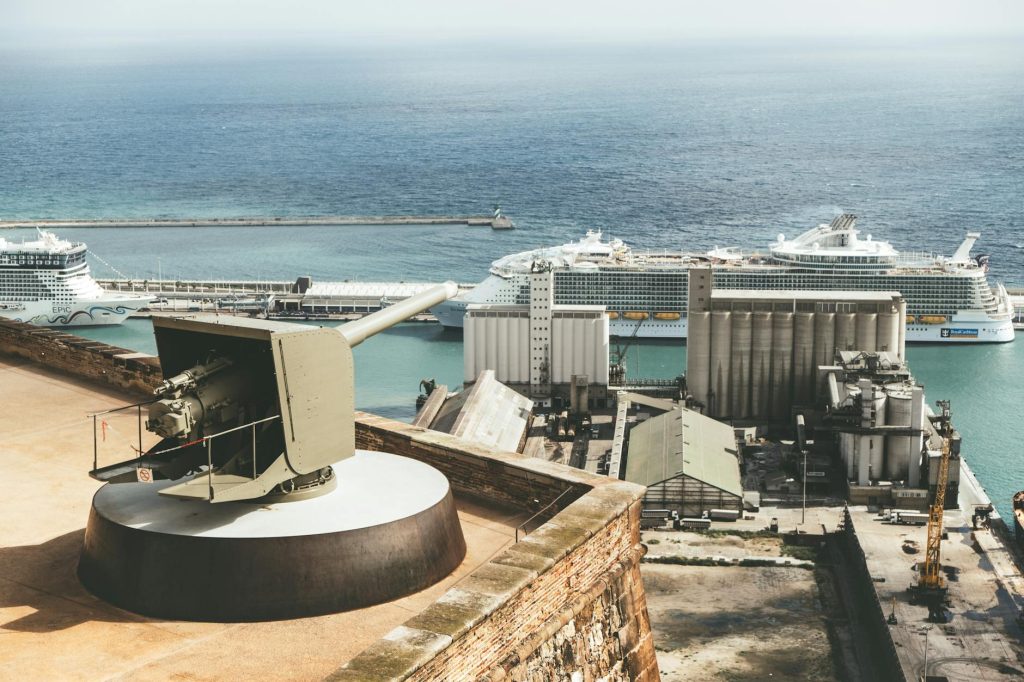
The successful launch of this record-breaking megaship raises important questions about the future direction of the cruise industry. Will other operators rush to construct similarly sized vessels? What challenges might emerge as ships of this magnitude become more common? How will ports around the world adapt their infrastructure to accommodate these floating giants?
Already, shipyards worldwide are reviewing designs for even larger vessels. Several cruise lines have placed orders for ships that will rival or exceed this current record-holder. This escalating competition drives continuous innovation, pushing engineers to find solutions to problems that seemed impossible just years ago.
However, the massive size of modern cruise ships also presents legitimate concerns. Environmental activists worry about the concentration of thousands of people in single vessels and the associated emissions and waste. Smaller communities that depend on cruise tourism question whether they can adequately service such large ships. These concerns ensure that the cruise industry’s future growth won’t occur without careful consideration of sustainability and community impact.
Looking Forward
The maiden voyage of the world’s largest cruise ship represents far more than a simple transportation milestone. It embodies human ingenuity, engineering excellence, and the continuous drive to push boundaries and achieve what previously seemed impossible. As this floating city takes its place in maritime history, it simultaneously points toward an industry’s future—one filled with even greater innovations, enhanced experiences, and new challenges to overcome.
For cruise enthusiasts and maritime observers alike, this moment marks an exciting turning point. The industry will never quite be the same, and that transformation began the moment this record-breaking megaship slipped into the Atlantic for the first time.







Leave a Comment