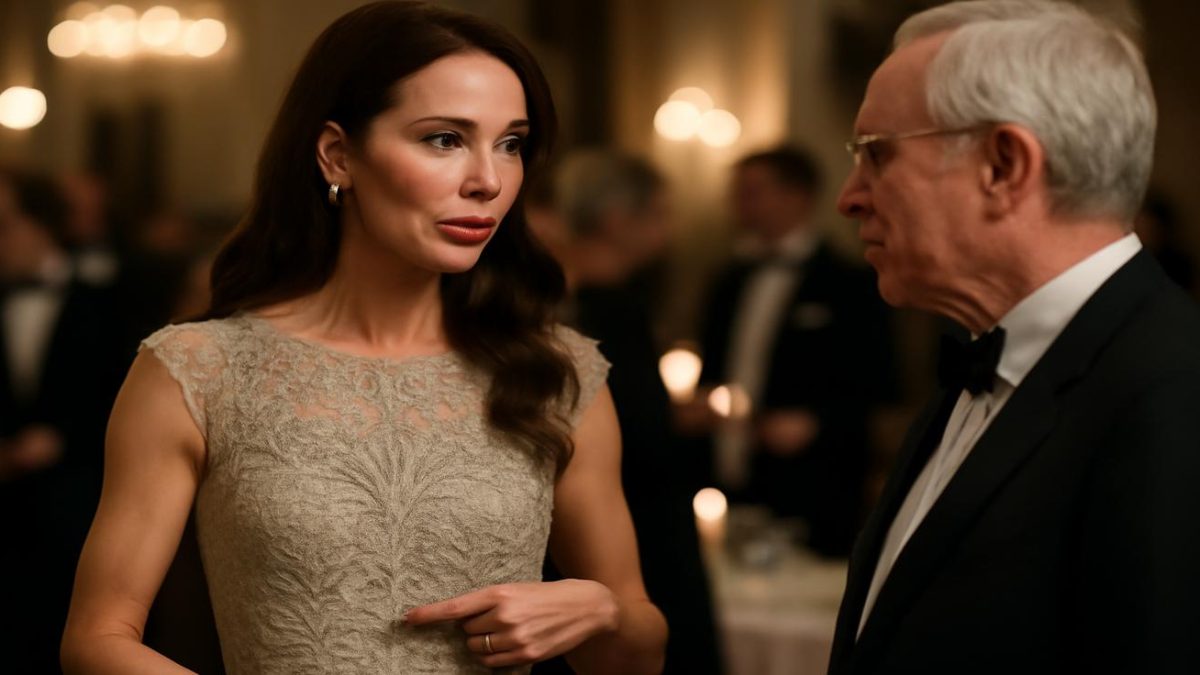
The intersection of fashion and diplomacy has long fascinated observers of royal protocol and international relations. When prominent members of the royal family grace formal occasions, their sartorial choices carry weight far beyond the fashion industry. These selections represent deliberate narratives about national identity, cultural values, and economic priorities. On one particular evening at a prestigious diplomatic dinner, an exquisitely embroidered gown became far more than an aesthetic choice—it transformed into a statement of allegiance to skilled artisans and centuries-old traditions.
The Power of Fashion in Diplomatic Circles
Fashion has always occupied a peculiar space within diplomatic protocol. While diplomacy traditionally concerns itself with treaties, negotiations, and formal agreements, the visual presentation of dignitaries carries its own communicative weight. When world leaders and their families appear at state functions, they communicate messages through their appearance that resonate differently than spoken words. A choice to wear domestically produced garments, particularly those featuring traditional craftsmanship techniques, sends unmistakable signals about economic priorities and cultural respect.
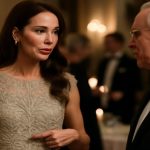
The selection of an embroidered evening gown at a high-profile diplomatic dinner exemplifies this nuanced form of communication. Such occasions gather influential figures from multiple nations—business leaders, government officials, cultural ambassadors, and media representatives. Every element of presentation, from jewellery to footwear to the gown itself, becomes part of a visual narrative that international observers will dissect and interpret.
Embroidery as Cultural Heritage
Embroidery represents one of humanity’s oldest decorative arts, with evidence of embellished garments dating back thousands of years across virtually every culture. In British tradition, embroidery holds particular significance as a marker of craftsmanship excellence. From the intricate needlework of the Elizabethan era to contemporary designers who employ time-honoured techniques, embroidered garments carry historical weight and demonstrate respect for traditional skills.
When contemporary designers create embroidered pieces for formal occasions, they often draw inspiration from historical references while incorporating modern sensibilities. This fusion allows the garments to feel both timeless and current—a delicate balance that appeals to those who value heritage without appearing stuck in the past. The meticulous work required to produce hand-embroidered pieces means each garment requires hundreds, sometimes thousands, of hours of skilled labour. This investment in human craftsmanship stands in stark contrast to mass-produced alternatives.
British Design Industry and Economic Impact
The British fashion and textiles industry contributes significantly to the national economy, employing thousands of skilled artisans, designers, and manufacturers. While fast fashion has transformed global clothing production, pockets of excellence remain where traditional techniques continue to thrive. Design houses that specialise in embroidery, beading, tailoring, and other intricate crafts maintain workshops that would be recognisable to craftspeople from previous centuries, despite incorporating modern tools and techniques.
When prominent public figures choose to wear pieces from these heritage-focused designers, they effectively endorse an entire ecosystem of skilled workers. A single high-visibility appearance in an embroidered gown can translate into increased demand, higher sales, and employment opportunities for artisans whose skills might otherwise face economic pressures from cheaper alternatives. This economic dimension adds another layer to the diplomatic messaging inherent in such fashion choices.
The Symbolism of Choosing Heritage Over Convenience
Selecting an embroidered evening gown for a diplomatic dinner requires deliberate planning and coordination. These pieces cannot be quickly sourced from standard retail channels. They typically necessitate consultations with designers, careful fitting sessions, and extended production timelines. Choosing such a garment signals that the wearer—and by extension, the institution they represent—values quality, tradition, and the human skill involved in creation.
This choice becomes particularly meaningful in an era when luxury fashion often prioritises novelty and rapid production cycles. By opting for a carefully crafted embroidered piece, the wearer makes a philosophical statement about what constitutes true luxury. Genuine luxury, this choice suggests, involves investing in pieces created by skilled hands over extended periods, rather than acquiring mass-produced items regardless of their price point.
International Observations and Soft Power Implications
International media coverage of diplomatic events extends far beyond the formal proceedings. Fashion journalists, bloggers, and cultural commentators analyse every element of what attendees wore, creating multiple narratives that spread globally. When an embroidered British gown receives positive international coverage, it amplifies the message beyond domestic audiences to global observers who may hold purchasing power and cultural influence.
This form of soft power—influence achieved through cultural appeal rather than economic or military force—has become increasingly significant in contemporary international relations. Nations compete not only through traditional diplomatic channels but also through cultural exports, design innovation, and heritage preservation. Fashion serves as an accessible entry point for many people to engage with a nation’s culture, making sartorial choices at high-profile events strategically important.
Inspiring Future Generations of Artisans
Beyond immediate diplomatic implications, public figures who champion traditional craftsmanship through their fashion choices send important messages to younger generations considering career paths. When embroidery, tailoring, and textile design receive validation at the highest levels of society, they become more attractive career options for young people who might otherwise pursue different fields.
The presence of skilled artisans requires sustained interest and economic viability. High-profile endorsements through fashion choices help ensure that knowledge transmission continues, with experienced craftspeople able to train apprentices and maintain living traditions. This generational continuity proves essential for preserving techniques and skills that represent centuries of accumulated knowledge.
The Lasting Impact of Strategic Fashion Choices
One evening gown, worn at a single diplomatic dinner, created ripples far beyond the immediate event. International media coverage highlighted both the aesthetic excellence of the piece and its cultural significance. Discussions emerged about British design, traditional craftsmanship, and the economic value of heritage industries. Fashion enthusiasts researched the designer and embroidery techniques. Business professionals noted the economic implications for British textile industries. Diplomats understood the statement being made about national priorities and values.
This multifaceted impact demonstrates how fashion at the highest levels of public life operates as sophisticated communication. When carefully selected and strategically presented, a single garment can advance diplomatic objectives, support domestic industries, preserve cultural traditions, and inspire global audiences—all simultaneously. The embroidered evening gown at the diplomatic dinner exemplified fashion’s unique capacity to serve as both aesthetic expression and strategic instrument, reminding us that what we wear communicates volumes about who we are and what we value.








Leave a Comment