
Hair loss affects millions of people worldwide, prompting desperate searches for effective solutions. While pharmaceutical options flood the market with impressive marketing claims, a growing number of individuals are turning toward nature’s medicine cabinet. The shift toward botanical remedies represents more than just a trend—it reflects a fundamental change in how consumers view personal health and wellness.
Understanding the Root Cause of Hair Loss
Before exploring solutions, we must understand what triggers hair loss in the first place. The hair growth cycle consists of three distinct phases: the anagen phase where hair actively grows, the catagen phase where growth slows, and the telogen phase where hair rests before shedding. Disruptions to this cycle can result from hormonal imbalances, nutritional deficiencies, inflammation, stress, and environmental toxins.
Many conventional treatments work by suppressing specific hormones or improving blood circulation to hair follicles. Natural approaches accomplish similar goals through different mechanisms—delivering essential nutrients, reducing scalp inflammation, and promoting microcirculation without introducing synthetic compounds into your body.
The Power of Ancient Botanical Knowledge
Traditional medicine systems from across the globe have utilized specific plants for hair health for centuries. These aren’t merely anecdotal remedies; modern research increasingly validates what ancient practitioners knew intuitively. Indigenous cultures in India, China, Africa, and the Mediterranean regions developed sophisticated understanding of which plants supported hair growth and scalp health.

What makes these botanical solutions particularly compelling is their multi-faceted approach. Unlike single-mechanism pharmaceutical interventions, plant-based treatments typically contain dozens of bioactive compounds working synergistically. This complexity often translates to fewer side effects and more sustainable results.
Peppermint Extract: Stimulating Follicle Activity
Research published in various dermatological journals has demonstrated that peppermint stimulates hair follicles and increases blood flow to the scalp. The menthol compound creates a cooling sensation while simultaneously opening blood vessels, allowing more nutrients to reach hair roots. Studies comparing peppermint oil applications to minoxidil showed comparable hair growth stimulation after several months of consistent use.
The beauty of peppermint lies in its versatility. You can incorporate it into your routine through essential oil dilutions, herbal infusions, or shampoos containing peppermint extract. The stimulating sensation also provides immediate gratification, making the treatment feel effective from the first application.
Saw Palmetto: Addressing Hormonal Contributors
For individuals experiencing androgenetic alopecia—the most common form of hair loss—saw palmetto offers a natural alternative to hormone-suppressing pharmaceuticals. This plant extract works by inhibiting the enzyme that converts testosterone into DHT, the hormone implicated in pattern baldness.
Unlike prescription medications that require ongoing use and can produce unwanted systemic effects, saw palmetto provides localized benefits with minimal side effects. Studies indicate that consistent use over three to six months can slow hair loss and in some cases promote regrowth. The mechanism is gentler than pharmaceutical alternatives, making it suitable for long-term use.
Scalp Health Through Neem and Tea Tree
A healthy scalp environment is foundational to hair growth. Neem oil and tea tree oil possess potent antimicrobial and anti-inflammatory properties that address underlying scalp conditions. Dandruff, seborrheic dermatitis, and fungal infections can compromise hair health and accelerate shedding. These botanical oils combat these issues without the harsh chemical profiles of medicated shampoos.
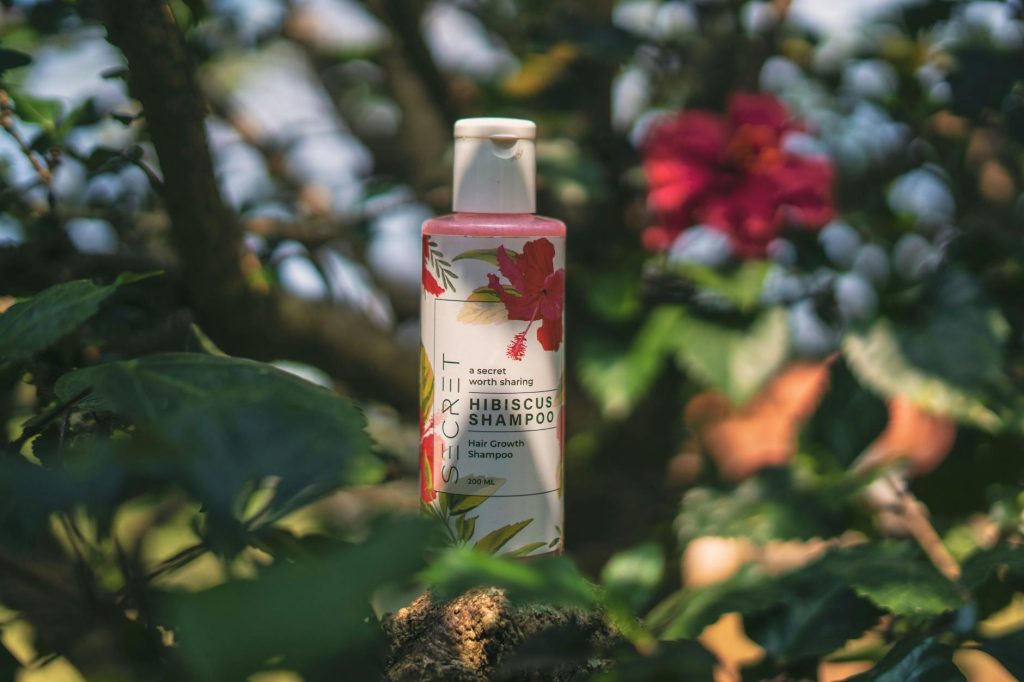
Neem, used in Ayurvedic medicine for thousands of years, contains fatty acids and vitamin E that nourish the scalp while fighting bacterial and fungal overgrowth. Tea tree oil’s antimicrobial potency has been confirmed through numerous scientific studies. Together with proper scalp hygiene, these oils create conditions favorable for robust hair growth.
Ginseng and Gotu Kola: Energizing Hair Follicles
Asian botanical traditions have long emphasized adaptogens—substances that help the body manage stress and optimize function. Ginseng and gotu kola represent two powerful adaptogens with specific benefits for hair health. These plants improve blood circulation, reduce oxidative stress, and support the overall vitality of hair follicles.
Ginseng stimulates hair growth by promoting the anagen phase and extending the growth cycle duration. Gotu kola, known as the “herb of longevity,” supports collagen production and strengthens the connective tissues supporting hair follicles. When combined, these adaptogens work to rejuvenate follicles stressed by environmental factors and lifestyle pressures.
Biotin and Plant-Based Micronutrients
Hair loss frequently correlates with nutritional deficiencies, particularly in biotin, zinc, iron, and B vitamins. While synthetic supplements address these gaps, plant-based sources deliver nutrients in forms optimized for absorption. Seeds like pumpkin and sunflower seeds, along with legumes and whole grains, provide these essential micronutrients in their natural context.
This nutritional approach addresses a root cause rather than merely treating symptoms. When the body receives adequate building blocks for hair production, natural growth resumes without requiring external stimulation.
Creating Your Natural Hair Loss Protocol
Effective natural treatment requires consistency and patience. Unlike pharmaceuticals designed for rapid symptom suppression, botanical remedies work gradually, supporting the body’s natural healing mechanisms. A comprehensive approach should combine topical applications with nutritional support and lifestyle modifications.
Begin with a quality shampoo and conditioner formulated with multiple botanical extracts. Follow with targeted serums containing concentrated plant oils. Supplement internally with herbs and nutrients supporting hair health. Simultaneously, address lifestyle factors: manage stress through meditation, ensure adequate sleep, maintain proper hydration, and eat a nutrient-dense diet.

Sustainable Results Through Nature
The advantage of natural hair loss treatments extends beyond effectiveness. These solutions prove sustainable, affordable, and gentle on your body’s broader systems. Rather than introducing synthetic compounds that require careful monitoring for side effects, botanical remedies work harmoniously with your body’s natural processes.
As you embark on your natural hair restoration journey, remember that visible results typically emerge after three to six months of consistent application. This timeline reflects the natural hair growth cycle. By supporting your body’s inherent healing abilities through time-tested botanical wisdom, you’re investing in long-term hair health that extends beyond surface-level cosmetic improvement.
The growing scientific validation of traditional plant remedies demonstrates that nature’s solutions weren’t simply effective by accident—they represent millions of years of evolutionary optimization. Harnessing these botanical allies offers a pathway to hair restoration that honors both ancient wisdom and modern scientific understanding.











Leave a Comment