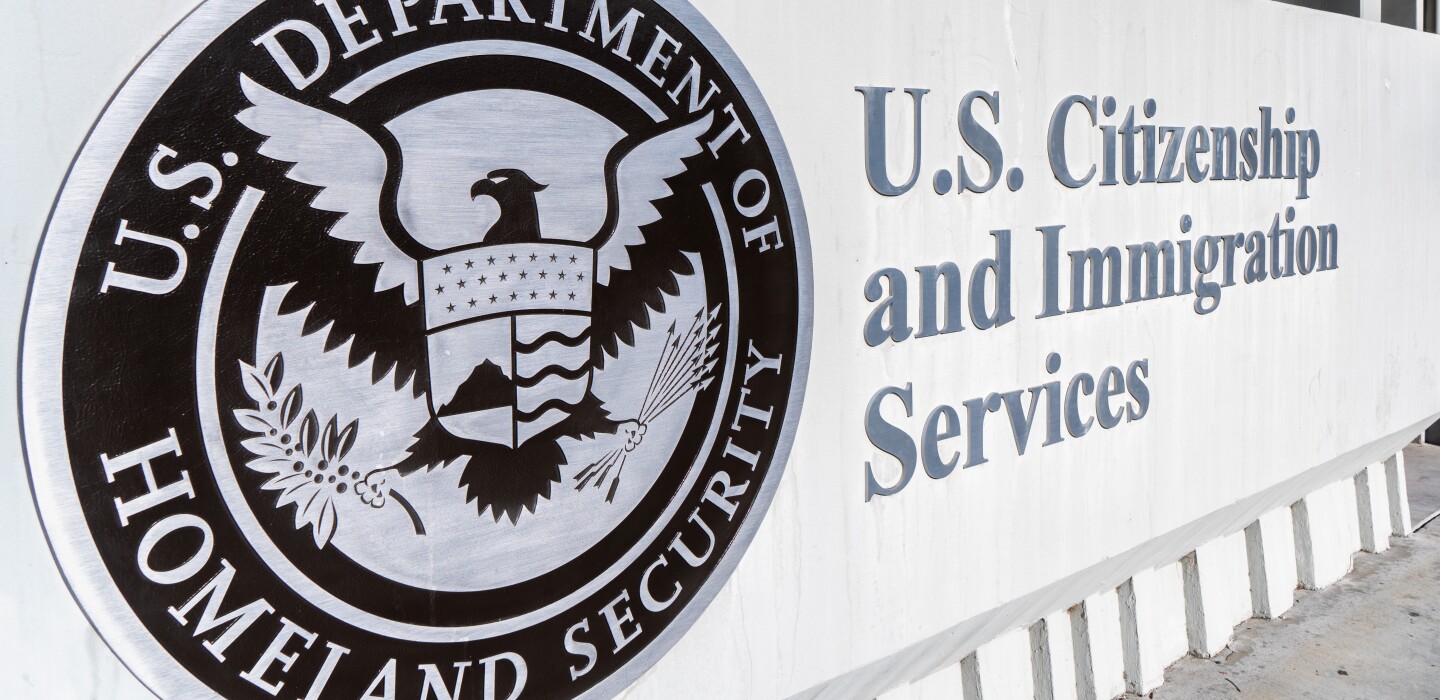
A major data leak involving U.S. Immigration and Customs Enforcement (ICE) and U.S. Border Patrol has triggered a fast-growing political and cybersecurity storm, after personal information tied to roughly 4,500 personnel was reportedly shared with a website that identifies immigration enforcement employees. The incident is being framed by supporters as “accountability” and by critics as dangerous doxxing—and it escalated further when the website at the center of the leak was reportedly hit by a large cyberattack soon after the story spread.
Below is what’s known so far, what’s still unclear, and why this story is moving so quickly across Reddit and news feeds.
What happened
Multiple reports say a whistleblower leak delivered a dataset containing names and other identifying details of thousands of ICE and Border Patrol-related staff to a watchdog/activist-run site commonly referred to as “ICE List.”
The data reportedly includes items such as names, email addresses, phone numbers, job titles, and background/work info. The website’s operator said the plan was to publish or expand listings—though they also claimed they would exclude certain categories of workers (like non-enforcement roles).
Not long after the reporting gained traction, the site was reportedly knocked offline by what was described as a DDoS cyberattack, with some outlets noting traffic patterns that appeared to originate heavily from Russian IP addresses—though attribution remains uncertain.
Verizon to Give Affected Customers $20 Credit After Massive Outage — Here’s How to Claim
Why it’s blowing up now
This leak is landing in the middle of a larger national fight over privacy, surveillance, immigration enforcement, and activism.
A recent Washington Post report describes an escalating back-and-forth: ICE expanding surveillance tools and activists responding with their own “counter-surveillance,” including documenting agents and tracking raids—moves that federal authorities argue can endanger officers and cross legal lines.
At the same time, the leak is being linked in reporting to a high-profile fatal shooting in Minneapolis involving an ICE agent, which intensified anger and sparked renewed attention to ICE accountability and tactics.
Quick timeline
| Date (2026) | What was reported | Why it matters |
|---|---|---|
| Jan 13–14 | Reports emerge that an alleged DHS whistleblower leaked data tied to ~4,500 ICE/Border Patrol personnel to “ICE List” | Scale is large; raises doxxing + security concerns |
| Jan 15 | Reports say the site is hit by a major DDoS attack; attribution unclear | Adds a second wave: cybersecurity + geopolitics angle |
| Jan 15 | Additional coverage expands on public backlash, legal tensions, and privacy debate | Shows this isn’t just a breach story—it’s a civil liberties fight |
What data was exposed?
Based on the reporting, the leaked dataset contained identifying and contact-style information, including (as described by outlets covering the leak):
-
Names
-
Email addresses
-
Phone numbers
-
Job titles/roles
-
Other background/work-related details
The key risk is not just embarrassment. Even “basic” identifying info can enable harassment, threats, impersonation, or targeted scams—especially when grouped in a single searchable dataset.
The cyberattack twist (and why Reddit cares)
The breach story was already explosive. Then came the “internet fight” layer.
Several outlets reported that the ICE List site suffered a large DDoS attack that overwhelmed protections and knocked it offline, with some early analysis pointing to significant traffic from Russian IP addresses—but also noting that proxies/botnets can obscure true origins, making confident attribution difficult.
That twist adds a fresh set of questions people on Reddit will immediately debate:
-
Was the attack meant to stop publication of the data?
-
Was it meant to punish the site for doxxing?
-
Was it opportunistic chaos from unrelated actors?
-
Or is the “Russia” angle being overinterpreted because bot traffic is globally distributed?
Right now, the responsible answer is: it’s not confirmed who ran the attack.
The core controversy: accountability vs doxxing
This story sits at a sharp ethical crossroads:
What supporters argue
Some activists say identifying officers is a form of public accountability—especially when people believe enforcement actions are abusive or when authorities are seen as shielded from scrutiny. The Washington Post describes activists using recording, encrypted comms, and public documentation as part of a broader strategy to protect immigrant communities.
What critics argue
Opponents say publishing personal details is doxxing, creating real-world safety risks for officers and their families. Coverage from security and law-enforcement-focused outlets emphasizes danger, harassment risk, and operational exposure.
The truth is: both privacy and accountability can be legitimate concerns at once—yet this kind of bulk data release is an unusually high-risk way to fight that battle.
What officials are saying
Reporting indicates that DHS/ICE have condemned the leak and warned that whoever is responsible could face charges if identified.
Because investigations into leaks often involve internal security reviews, subpoenas, and digital forensics, more official details may emerge in the coming days—especially if this expands into a broader DHS cybersecurity incident.
What we still don’t know (yet)
Even with multiple reports, key details remain uncertain:
-
Exact source of the leak (confirmed whistleblower vs other access path)
-
Whether the dataset contained home addresses or other ultra-sensitive fields (many reports emphasize contact/job info; specifics vary)
-
How the data was accessed (internal system export, vendor exposure, misconfigured database, etc.)
-
Who launched the DDoS attack and whether it was politically motivated or opportunistic
As of January 16, 2026 (IST), attribution on both the leak’s origin and the cyberattack remains incomplete in public reporting.
Why this matters beyond ICE
This is bigger than one agency because it’s a live example of:
-
How bulk personal datasets become weapons in political conflict
-
How quickly a story can evolve from leak → doxxing debate → cyberattack
-
How “privacy” arguments are now used by both the state (protect agents) and activists (protect communities from surveillance)
And the public’s trust problem cuts both ways: some fear a surveillance state; others fear targeted harassment of public servants.
Q: How many people were affected?
Reports commonly cite about 4,500 ICE and Border Patrol-related personnel.
Q: Was the cyberattack definitely from Russia?
Not confirmed. Some reporting mentions traffic from Russian IP addresses, but attribution is uncertain due to proxies/botnets.
Q: Is the dataset verified?
Some outlets describe it as “alleged” and based on claims by the site operator; official verification details are still limited in public reporting.






Leave a Comment