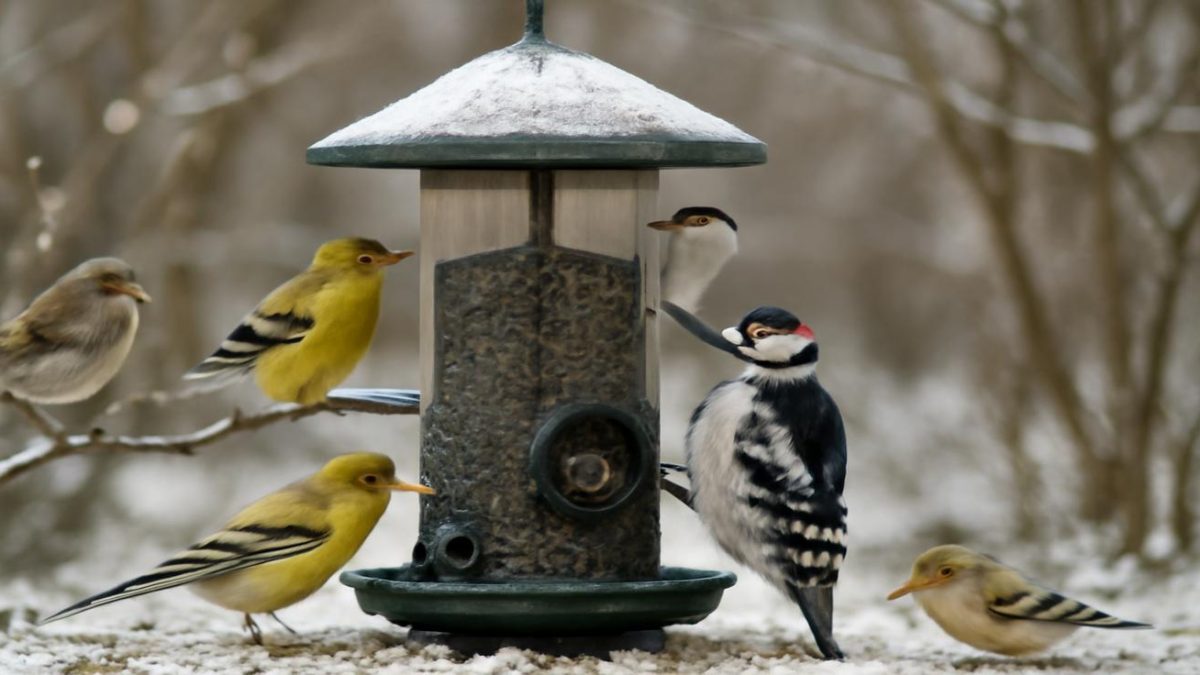
As winter settles into its final month, the world becomes a canvas of frost and silence. Yet for dedicated bird watchers, February represents something magical—a chance to witness nature’s most stunning visitors up close without spending a fortune. The secret lies in understanding which budget-friendly treats keep your feeders active from dawn until dusk.
The Economics of Bird Feeding
Feeding backyard birds doesn’t require a substantial investment. Many bird enthusiasts make the mistake of purchasing premium specialty blends at inflated prices, unaware that some of nature’s most popular avian visitors prefer simpler, more economical options. February, with its unpredictable weather and food scarcity, is when wild birds most appreciate accessible feeding stations filled with nutritious, affordable staples.
The key to budget-conscious bird feeding lies in understanding your local bird population. Different species have varying dietary preferences, and knowing what your backyard visitors actually enjoy can save you considerable money throughout the winter season. Rather than experimenting with expensive exotic seeds and specialty products, focus on proven, time-tested options that consistently attract diverse bird species.
Black Oil Sunflower Seeds: The Budget-Friendly Champion
When experienced bird watchers discuss affordable winter feeding options, one choice consistently rises to the top: black oil sunflower seeds. These small, dark seeds deliver exceptional nutritional value and possess a remarkable ability to attract an astounding variety of bird species. Unlike decorative striped sunflower seeds, black oil varieties contain less shell and more kernel, providing better nutrition per ounce.
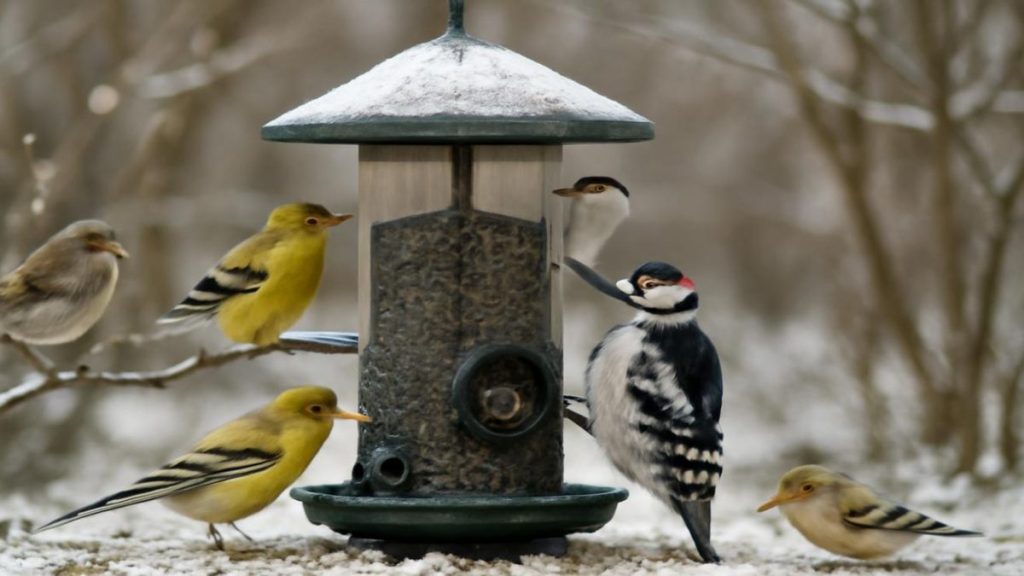
The appeal of black oil sunflower seeds extends across numerous bird families. Cardinals, chickadees, nuthatches, finches, and grosbeaks all recognize these seeds as premium food sources. Most bulk retailers offer these seeds at significantly lower prices than specialty bird food mixes, making them an outstanding value for anyone watching their budget. A single bag can sustain your feeders for weeks during winter months.
Many bird lovers purchase black oil sunflower seeds in bulk during February when some retailers offer winter sales. This strategic timing allows you to stock up while prices remain low, ensuring consistent feeding throughout the remainder of the season. The seeds store well in cool, dry locations, making bulk purchasing both economical and practical.
Nyjer Seeds: Small Investment, Big Returns
Another remarkably affordable option that shouldn’t be overlooked is nyjer seed, commonly called thistle seed. These tiny black seeds pack tremendous nutritional punch and specifically attract finches—some of winter’s most delightful visitors. A small amount of nyjer seed goes an incredibly long way, as birds consume just a few seeds per feeding session.
What makes nyjer seeds particularly cost-effective is their ability to target specific bird species. Since fewer birds eat these seeds compared to sunflower seeds, less waste occurs at your feeders. Food remains fresher longer, and you’ll experience less contamination from moisture and mold. The economic efficiency combines with the genuine pleasure of watching vibrant goldfinches and house finches congregate at specialized nyjer feeders.
Cracked Corn: The Often-Overlooked Bargain
Perhaps the most undervalued bird feed option is cracked corn. This ingredient costs pennies per pound and attracts ground-feeding birds that many people never consider attracting. Juncos, sparrows, doves, and jays eagerly consume cracked corn, adding delightful variety to your morning bird-watching experiences.
The reason cracked corn remains so affordable relates to agricultural economics. It’s produced in massive quantities for livestock feed, making the production process extremely efficient. This efficiency translates directly into savings for consumers. Rather than viewing cracked corn as a secondary option, consider it a primary component of your winter feeding strategy.
Spread cracked corn directly on the ground beneath your feeders or use platform feeders specifically designed for larger seed varieties. The mess that falls naturally creates feeding opportunities for ground-dwelling species that prefer foraging below trees and shrubs. February’s cold temperatures help preserve cracked corn better than warmer months, reducing spoilage and waste.
Peanuts in the Shell: Premium Appeal, Budget Price
Whole peanuts in their shells represent another surprisingly affordable option that delivers impressive results. These legumes attract jays, nuthatches, and woodpeckers—some of winter’s most striking and entertaining visitors. Whole peanuts cost considerably less than shelled varieties, and birds seem to enjoy the effort required to extract the kernel.
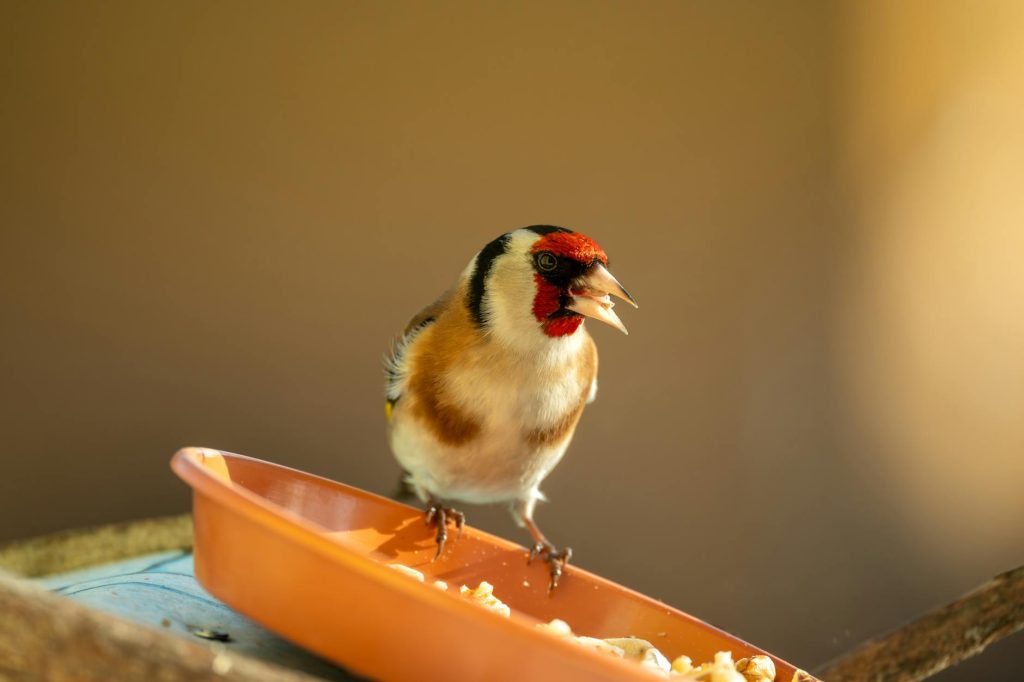
Peanuts provide exceptional nutritional value for birds facing February’s harsh conditions. The fat content helps maintain body heat and energy levels during cold nights. A modest supply of peanuts can sustain numerous visits from demanding species throughout the month. Many bird enthusiasts combine peanuts with other budget options to create diverse, attractive feeding stations.
Creating an Effective Budget Feeding Strategy
Success with affordable bird feeding requires thoughtful planning rather than random purchases. Start by observing which bird species visit your area during winter. Local birding organizations and websites specific to your region provide valuable species information. Once you understand your backyard’s avian community, you can prioritize seeds that specifically appeal to these visitors.
February represents an ideal time to adjust your feeding strategy based on winter’s progression. By this point, you’ve likely observed which feeders attract the most activity and which seeds generate excessive waste. Use this knowledge to refine your approach, potentially reducing spending while increasing visitor frequency.
Consider creating multiple feeding stations featuring different seed varieties. This diversification attracts broader bird populations and prevents aggressive species from monopolizing resources. Some birds prefer elevated feeders, while others feed exclusively on the ground. Accommodating these preferences through strategic placement and varied options yields maximum results from minimal investment.
Storage and Preservation Tips
Purchasing bulk quantities only makes financial sense if seeds remain fresh and nutritious. Store all seeds in sealed containers within cool, dry spaces. Properly stored seeds resist spoilage and pest infestation, protecting your investment. February’s cold temperatures provide natural preservation benefits, allowing seeds to maintain freshness longer than during warmer months.
Inspect feeders regularly for mold, moisture, and debris. Wet or moldy seeds can sicken birds, undermining your conservation efforts. Regular maintenance ensures bird safety while maximizing the longevity of your seed supply. Cleaning feeders every few days prevents disease transmission and keeps birds returning confidently to your yard.
Conclusion: Affordable Abundance
February doesn’t demand expensive specialty products to attract thriving bird populations. Black oil sunflower seeds, nyjer seeds, cracked corn, and whole peanuts comprise the fundamental building blocks of successful budget bird feeding. These economical staples attract diverse species, provide excellent nutrition, and keep your feeders bustling with activity from sunrise through sunset. By understanding your local bird community and investing strategically in proven options, you’ll experience the magic of backyard birding without straining your finances.









Leave a Comment