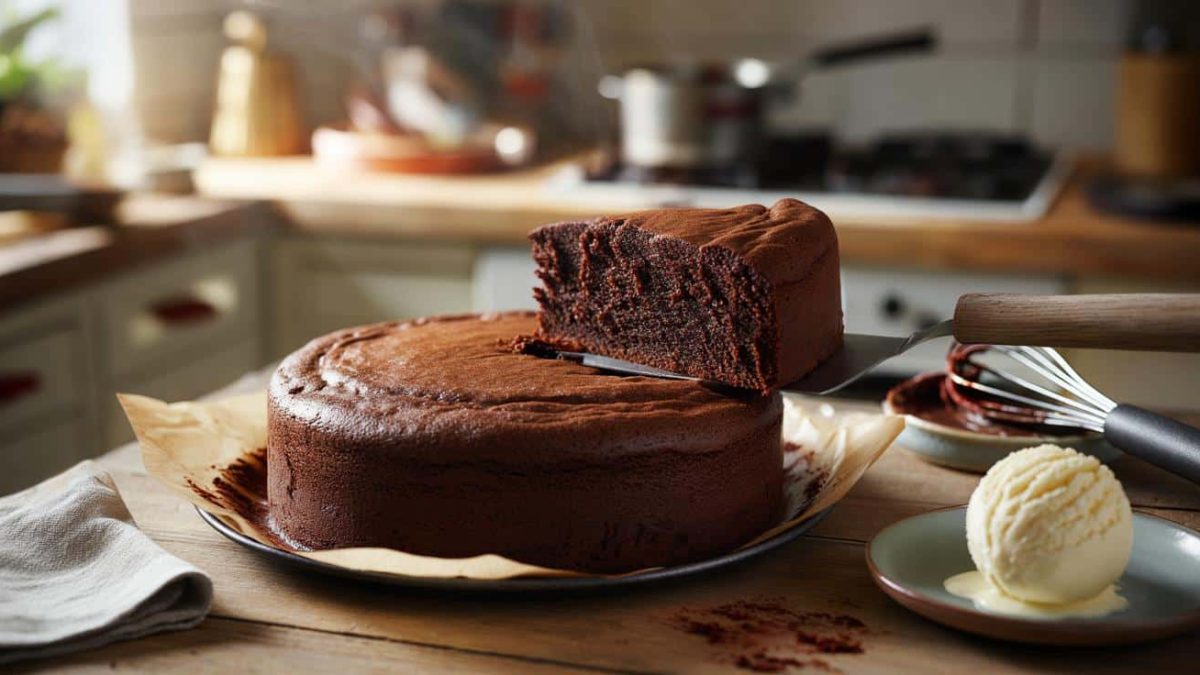
There’s something almost magical about discovering that some of the best desserts don’t require the equipment we’ve been convinced we need. The traditional image of baking—complete with gleaming stand mixers, multiple bowls, and precise measurements—doesn’t tell the whole story. Many experienced bakers have learned that simplicity often leads to superior results, and nowhere is this more evident than in creating a luxuriously textured chocolate cake that rivals anything from a professional bakery.
Why Traditional Mixing Methods Aren’t Actually Necessary
For decades, baking culture has emphasized the importance of proper mixing techniques and specialized equipment. We’ve been told that beating butter and sugar creates air, that whipping eggs transforms their structure, and that specific mixing orders matter tremendously. While these principles have validity, they’ve also created unnecessary barriers for home bakers who want to create exceptional desserts.
The truth is that chocolate cake has a forgiving nature. The cocoa powder and chocolate already contribute rich, complex flavors that can mask minor mixing imperfections. Additionally, the moisture content in many chocolate cake recipes means that the cake continues to develop even after it leaves the bowl. Understanding this psychology of chocolate baking opens up entirely new approaches to creating impressive results with minimal effort.
When you eliminate the need for electrical appliances, something shifts in the baking experience. You gain more control, develop a better feel for the batter’s consistency, and create a more tactile connection to your ingredients. This hands-on approach often results in superior intuition about when the mixture has reached the right stage of development.
The Surprising Science Behind One-Bowl Mixing
Creating a rich, fudgy chocolate cake without a mixer relies on understanding how ingredients interact when combined manually. The key involves proper sequencing and allowing ingredients time to hydrate and develop naturally.
Start by dry-combining your cocoa powder, flour, baking soda, baking powder, and salt in a single bowl. These dry ingredients benefit from being whisked together with a simple whisk or even a fork, allowing the leavening agents to distribute evenly throughout the flour. This step takes just two minutes but creates the foundation for even rise throughout the cake.
Next, create a well in the center of these dry ingredients and add your wet components: oil, eggs, vanilla extract, and hot water or coffee. The hot liquid is crucial—it blooms the cocoa powder, deepening the chocolate flavor and creating a more tender crumb structure. When you stir these components together, you’re not trying to create aeration through vigorous mixing. Instead, you’re simply combining until no flour streaks remain visible.
This methodical approach actually produces a higher-quality batter than aggressive mixing would. Over-mixing can develop the gluten in flour excessively, creating a tough, dry cake. The gentler one-bowl method naturally prevents this common mistake, almost guaranteeing a tender result.
The Ingredient Formula That Works Every Time
Success with this approach depends on understanding ingredient proportions and their specific roles. The formula that consistently delivers rich, fudgy results centers on balancing moisture, fat, and chocolate content.
Oil serves as your primary fat, contributing moisture and tenderness that butter alone cannot achieve. Use a neutral vegetable oil rather than olive oil, which can introduce competing flavors. The oil coats flour particles, inhibiting gluten development and creating that soft, yielding crumb texture that defines a superior chocolate cake.
Eggs provide structure and emulsification, allowing oil and water to combine smoothly. Room-temperature eggs incorporate more efficiently when mixing by hand, which is why this method actually performs better with slightly warmed eggs. If you’ve forgotten to remove eggs from the refrigerator, placing them in warm water for five minutes makes a noticeable difference.
The chocolate flavor depends on three sources: cocoa powder, melted chocolate, or both. Dutch-processed cocoa powder creates darker, more sophisticated chocolate notes, while natural cocoa powder offers brighter, more intense chocolate flavor. Combining both creates the most complex taste profile. The hot liquid—whether water or coffee—is non-negotiable. Coffee doesn’t make the cake taste like coffee; instead, it amplifies and deepens the chocolate notes, making the finished cake taste impossibly decadent.
Common Mistakes to Avoid When Mixing by Hand
Even with a simplified method, certain pitfalls can compromise your results. Understanding these helps you navigate the process successfully every single time.
The most common error involves over-stirring the batter once dry and wet ingredients combine. Many home bakers feel compelled to achieve a perfectly smooth batter, leading them to stir longer than necessary. Resist this urge. Once you see no white flour streaks, stop immediately. Small lumps are actually beneficial—they’ll hydrate during baking, creating a more tender structure.
Another frequent issue involves temperature inconsistencies. Using cold ingredients is counterintuitive in this method. Warm ingredients incorporate faster, create smoother batters with minimal stirring, and actually develop better flavor. Allow eggs and any dairy to sit at room temperature for at least thirty minutes before baking.
Don’t skip the step of letting batter rest for five minutes after mixing. This brief rest allows flour to fully hydrate and leavening agents to activate slightly, creating a more efficient rise during baking. This small pause makes an outsized difference in final texture.
Baking and Achieving Perfect Fudgy Texture
The magic of fudgy chocolate cake lies in understanding the fine line between underbaking and overbaking. A properly executed one-bowl cake bakes at a moderate temperature—usually 350°F—for approximately thirty to thirty-five minutes.
The baking time depends on your specific oven and pan size. A cake is ready when a toothpick inserted in the center emerges with just a few moist crumbs clinging to it—not clean, but not wet batter either. This crucial detail separates fudgy, luxurious cake from dry, crumbly cake.
Cooling requires patience. Allow the cake to cool completely in its pan before turning it out. This resting period allows the structure to set, preventing crumbling or breaking. Once completely cool, the cake continues developing its flavor and texture for several hours, reaching peak deliciousness by the following day.
Final Thoughts on Simplified Baking
This approach to chocolate cake baking represents a larger philosophy: sometimes the simplest methods produce the most remarkable results. By eliminating unnecessary equipment and steps, you gain flexibility, reduce stress, and often create superior desserts. Whether you lack a mixer, prefer minimal cleanup, or simply want to bake more intuitively, this one-bowl method delivers consistently exceptional chocolate cake that impresses everyone who tastes it.









Leave a Comment