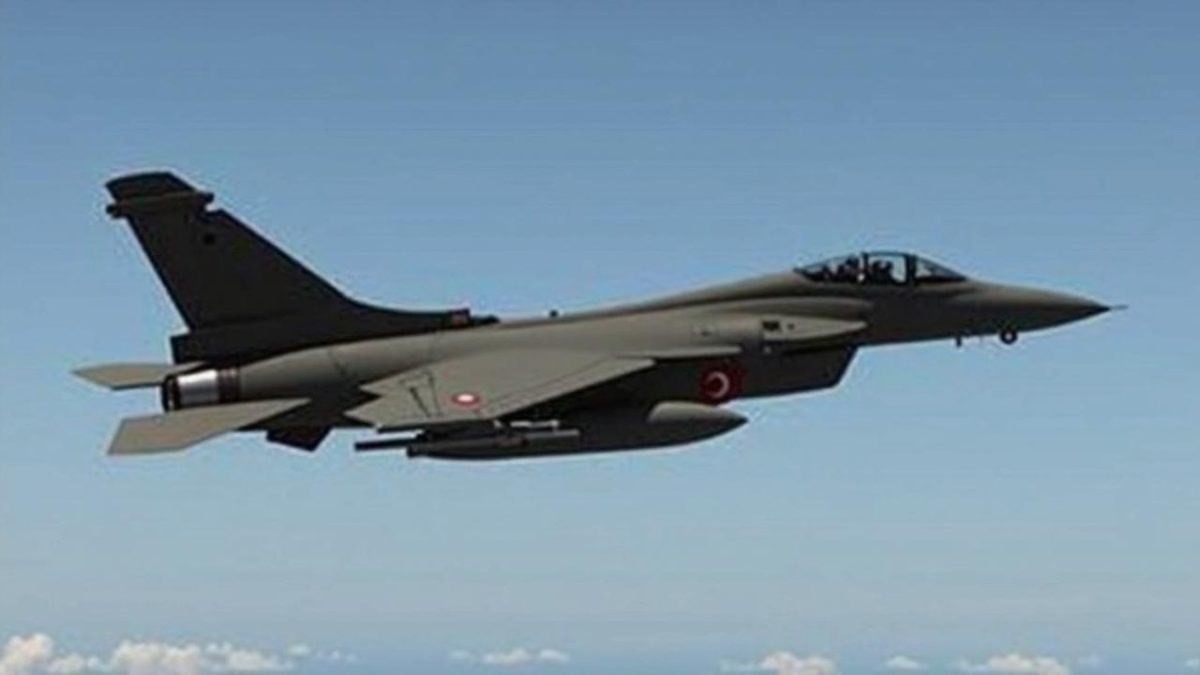
The skies above the Mediterranean are witnessing a significant shift in military power dynamics. Turkey’s advancement of its indigenous KAAN fighter jet program represents more than just another development in aviation technology—it symbolizes a fundamental restructuring of defense capabilities in one of the world’s most strategically important regions. As tensions continue to simmer across Eastern Mediterranean waters and NATO alliance structures grow increasingly complex, Turkey is making an unmistakable statement about its technological prowess and military ambitions.
Breaking Free from Dependency: Turkey’s Aerospace Independence
For decades, Turkish defense forces relied heavily on imported military equipment, primarily from American and European manufacturers. This dependency created vulnerabilities in supply chains and strategic autonomy. The KAAN initiative represents a dramatic departure from this historical pattern, positioning Turkey as a genuine innovator capable of designing and producing cutting-edge combat aircraft entirely within its borders.
The significance of indigenous fighter jet development cannot be overstated in contemporary geopolitical contexts. Nations that control their own advanced weapons systems enjoy considerable advantages in negotiations, operational flexibility, and long-term strategic planning. Turkey’s commitment to the KAAN program demonstrates a clear recognition of these principles and a willingness to invest substantial resources in achieving aerospace independence.
Technical Specifications and Engineering Innovation
The KAAN fighter represents Turkey’s ambition to develop a fifth-generation combat aircraft capable of competing with the most advanced jets currently in operation globally. Turkish engineers and designers have incorporated lessons learned from existing platforms while pioneering novel approaches to avionics, propulsion systems, and aerodynamic design.
One of the most impressive aspects of the KAAN program involves the integration of advanced sensor fusion capabilities and artificial intelligence systems. These technologies allow pilots to process vastly more information in compressed timeframes, providing decisive advantages in complex combat scenarios. The aircraft’s design emphasizes reduced radar cross-section signatures, stealth technologies that represent years of research and development conducted primarily by Turkish defense contractors.
The development timeline for the KAAN demonstrates remarkable progress. Since its official unveiling, the project has achieved multiple critical milestones, including structural testing, systems integration, and preliminary flight preparations. These achievements highlight the technical depth and organizational capabilities of Turkey’s aerospace sector.
Comparing with European Competition
France’s Dassault Aviation has long dominated the European fighter jet market with its Rafale platform, a highly sophisticated aircraft that remains among the world’s most capable combat jets. The Rafale’s operational success across multiple nations and combat scenarios has established it as a proven, reliable solution for air superiority requirements. However, the KAAN program presents a compelling alternative that addresses specific needs and operational philosophies distinct from French offerings.
While the Rafale excels in established performance metrics, the KAAN brings fresh perspectives rooted in Turkish operational requirements and regional threats. The aircraft’s development reflects direct experience with contemporary security challenges in the Eastern Mediterranean, Black Sea region, and potential conflicts in neighboring territories. This regional focus translates into design decisions that may prove advantageous in specific operational theaters.
Furthermore, the KAAN offers significant economic advantages. Production costs, maintenance expenses, and lifecycle considerations present financial benefits compared to acquiring European platforms. For nations considering fighter jet acquisitions, Turkish pricing structures and financing arrangements could prove substantially more attractive than traditional European options.
Regional Dynamics and Strategic Implications
The emergence of Turkish fighter jet capabilities reshapes power equations across the Eastern Mediterranean. Greece, Cyprus, and various European Union members have traditionally aligned with French and other European defense suppliers. The introduction of a competitive Turkish platform creates new strategic calculations and potentially enables smaller nations to leverage alternative supply sources.
Turkey’s own military requirements drive significant demand for the KAAN domestically. The Turkish Air Force anticipates acquiring substantial numbers of aircraft to modernize its existing fleet. This domestic demand base provides revenue stability and production experience that strengthens Turkey’s position as an aerospace exporter.
NATO alliance considerations add additional layers of complexity to the KAAN program’s implications. While Turkey remains a NATO member, its indigenous weapons development reduces reliance on alliance partners for critical capabilities. This independent technological trajectory could influence Turkey’s role within NATO structures and its relationships with allied nations.
Export Potential and International Markets
Turkey’s defense industry has successfully exported various weapons systems to multiple countries, establishing credentials as a reliable supplier. The KAAN fighter jet opens extraordinary export opportunities in markets where European platforms face political obstacles, financial constraints, or compatibility issues with existing infrastructure.
Potential customer nations span Central Asia, the Middle East, North Africa, and Southeast Asia. Countries seeking to modernize air forces while maintaining strategic independence from traditional Western suppliers view Turkish offerings as attractive alternatives. The KAAN’s sophisticated capabilities at competitive pricing positions it ideally for capturing market share in these regions.
Export success for the KAAN would transform Turkey’s standing in the global defense marketplace, elevating the nation to the status of high-technology arms producer alongside established manufacturers. This elevation carries significant economic and geopolitical benefits extending far beyond the aerospace sector.
Challenges and Development Hurdles
Despite impressive progress, the KAAN program faces considerable challenges inherent to fifth-generation aircraft development. Engine technology, in particular, represents a significant technical frontier. Turkey continues developing indigenous powerplants capable of meeting performance requirements, though this remains an area requiring sustained investment and expertise.
Establishing reliable supply chains for advanced materials and specialized components presents ongoing difficulties. International sanctions regimes and technology transfer restrictions complicate efforts to source certain critical elements. Turkish industry must innovate solutions or develop domestic alternatives, processes that demand time and financial resources.
Software integration and cybersecurity considerations introduce additional complexity. Modern fighters function essentially as highly sophisticated airborne computing platforms. Ensuring system reliability, security, and interoperability across diverse mission profiles requires extraordinary engineering discipline and testing rigor.
Looking Toward the Future
Turkey’s KAAN initiative represents a watershed moment in the nation’s defense industrial development. As the program progresses toward operational deployments, it will generate valuable experience and technological insights extending throughout Turkey’s aerospace sector. Success with the KAAN strengthens Turkey’s negotiating position within NATO and enhances its standing as a regional power capable of independent technological achievement.
The competition between KAAN and European fighters ultimately benefits global security by promoting innovation, reducing costs, and expanding the range of solutions available to nations seeking modern air defense capabilities. Turkey’s successful entry into the fifth-generation fighter market demonstrates that technological excellence transcends geographic boundaries and organizational history.










Leave a Comment