There’s a peculiar phenomenon in the baking world that doesn’t get discussed nearly enough: some cakes genuinely improve with time. While most bakers fret about their creations drying out within hours, this lemon yogurt cake follows an entirely different trajectory. What emerges from your oven on day one is pleasant enough, but by day three, the flavors have deepened, the texture has transformed, and you’ll find yourself reaching for another slice with renewed enthusiasm.
The Science Behind Prolonged Moisture
Understanding why this cake maintains its moisture requires a brief journey into baking chemistry. Traditional cakes often rely on butter and oil as their primary moisture sources, but these fats can oxidize and create a stale taste within just a day or two. The secret to this particular cake lies in its partnership with yogurt—a humble ingredient that functions as both a moisture retainer and a flavor enhancer.
Yogurt contains lactic acid and probiotics that work at the molecular level, binding water molecules more effectively than oil alone could accomplish. When yogurt sits in a baked cake, it continues to release moisture gradually throughout the surrounding crumb structure. This slow hydration process means that by day two, the cake has actually absorbed more moisture than it contained when it initially cooled.
The lemon component amplifies this effect. Lemon juice acts as a natural preservative while simultaneously tenderizing the gluten network. The acidity levels in fresh lemon juice adjust the pH of the batter in ways that promote better moisture retention at the cellular level. This isn’t an accident of recipe development—it’s the result of how these ingredients fundamentally interact during both baking and storage.
Simplicity as the Ultimate Strategy
One of the most compelling aspects of this cake is its ingredient list, which reads like a checklist of pantry staples rather than a shopping adventure. You’ll need all-purpose flour, sugar, eggs, plain yogurt, fresh lemon juice and zest, baking powder, salt, and perhaps a touch of vanilla extract. That’s genuinely it. No buttermilk, no sour cream, no multiple types of extracts or specialty ingredients that cost a small fortune and expire before you use them again.
This minimalist approach isn’t born from laziness—it’s the result of understanding which ingredients genuinely contribute to the cake’s success. Every component serves a purpose. The yogurt provides moisture and tang. The lemon offers brightness and preservation. The eggs create structure and richness. Flour gives body. These elements work in concert, each one supporting the others, creating a whole that’s genuinely greater than the sum of its parts.
The Three-Day Transformation
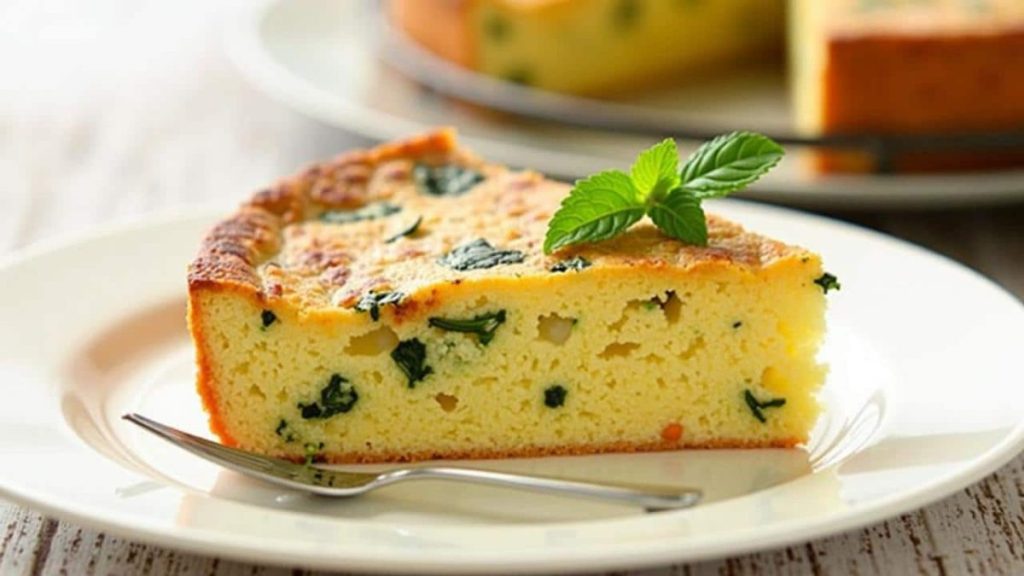
If you’ve never experienced a cake that improves with aging, the three-day journey of this particular recipe might surprise you. On day one, straight from the cooling rack, you’ll notice a tender crumb and bright, almost sharp lemon flavor. The cake is good at this stage—perfectly acceptable, completely enjoyable. But something remarkable happens as the hours pass.
By day two, something shifts. The flavors have begun to marry together. That sharp lemon intensity has softened slightly, becoming more integrated into the overall flavor profile rather than dominating it. The cake feels more tender, almost velvety in texture. You might notice the crumb is more cohesive, less likely to crumble when you cut into it. The moisture has redistributed itself more evenly throughout the cake’s structure.
On day three, if your willpower has lasted that long, the transformation becomes undeniable. The cake has reached what many bakers consider its peak. The flavors are fully developed. The lemon presence is sophisticated rather than bright. The texture has achieved that enviable quality where it’s impossibly moist yet somehow still maintains its structure. It’s the kind of cake that tastes like it was made by someone who really knows what they’re doing—even though you followed a straightforward recipe with readily available ingredients.
Storage Methods That Matter
The longevity of this cake depends significantly on how you store it. An airtight container is non-negotiable. This could be a cake dome, a plastic container, or even a cake box wrapped tightly in plastic wrap. The goal is preventing any air circulation that might dry out the crumb while still allowing the internal moisture to distribute evenly.
Room temperature storage works beautifully for at least three to four days. Some bakers have reported this cake remaining at peak quality for nearly a week when properly stored, though most people won’t resist eating it long enough to verify this claim. Refrigeration is optional—it won’t harm the cake, but room temperature truly is ideal for flavor development.
The Economics of Better Baking
Beyond flavor and texture, this recipe represents genuine economy. The ingredients are inexpensive and likely already in your kitchen. A container of plain yogurt costs just a couple of dollars and provides moisture that usually requires expensive oils or specialty products. Fresh lemons, when in season, are remarkably affordable. You’re essentially creating a luxury-tasting cake with budget-friendly fundamentals.
There’s also the financial advantage of a cake that remains excellent throughout an entire week. No waste. No need to eat everything in two days to preserve quality. A single batch made on Monday can provide desserts through the weekend without quality degradation. That’s efficiency in baking.
Why Conventional Wisdom Sometimes Misleads
The common belief that cakes must be consumed within two days stems from recipes that weren’t designed with longevity in mind. When you’re making cakes with standard butter and minimal moisture-binding ingredients, degradation does occur fairly quickly. But this lemon yogurt formula proves that thoughtful ingredient selection can completely change the rules.
This cake challenges bakers to rethink their assumptions about what makes a good dessert. It’s not always about complexity or expensive components. Sometimes the most elegant solution involves understanding your basic ingredients deeply and using them in ways that create unexpected benefits.
Making Your First Batch
When you bake this cake, resist the temptation to slice into it while it’s still warm. Patience genuinely pays dividends here. Let it cool completely before storing it properly. Taste a slice on day one if curiosity demands it, but save your serious appreciation for days two and three. That’s when this simple recipe reveals its true magic, offering the kind of moist, flavorful result that makes people wonder what premium bakery created it.










Leave a Comment