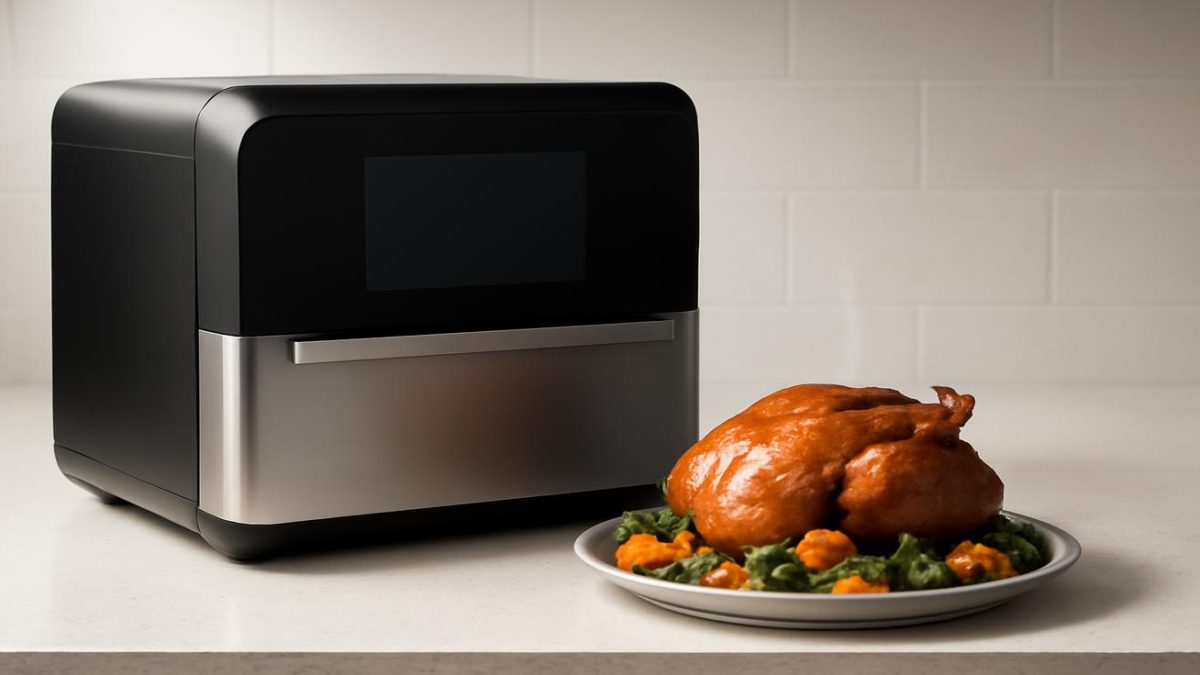
The microwave oven has been a staple of kitchen life since its commercial introduction in the 1950s, providing busy households with a convenient solution for reheating leftovers and preparing quick meals. However, the landscape of kitchen technology is shifting dramatically as innovative engineers and food scientists introduce a revolutionary device designed to address the microwave’s fundamental limitations. Early evidence from comprehensive field tests suggests this new appliance might finally deliver what consumers have been waiting for: faster cooking times, superior food quality, and remarkable energy efficiency.
Understanding the Microwave’s Weaknesses
While the microwave revolutionized kitchen convenience, it’s far from perfect. The technology works by emitting radiation that agitates water molecules within food, generating heat from the inside out. This seemingly efficient approach creates numerous problems in practical applications. Foods often heat unevenly, resulting in cold spots and scalding hot zones. Moisture loss accelerates dramatically, leaving leftovers dry and unappetizing. Nutrient degradation occurs more rapidly with microwave heating compared to traditional methods, and the device struggles with certain food types entirely.
Energy waste represents another overlooked problem. Studies measuring actual power consumption reveal that microwaves consume significant electricity relative to their modest output. The magnetron—the component generating microwave radiation—operates inefficiently, converting only about 65 percent of electrical input into actual cooking energy. The remaining 35 percent dissipates as waste heat into the kitchen environment. For environmentally conscious consumers and those monitoring utility bills, this inefficiency represents a constant drain.
Perhaps most frustratingly, microwaves fundamentally cannot replicate the cooking results of conventional methods. They cannot brown food surfaces, cannot develop complex flavors through the Maillard reaction, and cannot achieve the textural variety that makes cuisine appealing. They’re functional tools for reheating, but poor substitutes for actual cooking.
Introducing the Next Generation of Rapid Cooking
The device generating excitement among kitchen appliance experts employs an entirely different mechanism. Rather than relying on radiation, this innovative technology utilizes advanced convection combined with precision infrared heating and smart temperature regulation. The system works by simultaneously heating air circulation and targeted surface radiation, creating an environment that cooks food evenly while achieving the browning and flavor development that makes meals genuinely appetizing.
What truly distinguishes this device is its intelligent control system. Embedded sensors continuously monitor food temperature at multiple points, adjusting heat delivery in real-time to eliminate hot spots and ensure uniform cooking throughout. Artificial intelligence algorithms learn from cooking patterns and optimize performance for different food types—proteins cook differently from vegetables, which require different approaches than grains or prepared dishes. This adaptive cooking represents a fundamental leap forward from the one-setting-fits-all approach of conventional microwaves.
Real-World Test Results That Changed Everything
Independent testing facilities conducted comprehensive evaluations comparing this new device against standard microwave ovens and traditional cooking methods. The results proved striking across multiple metrics.
Cooking speed improvements ranged from 25 to 40 percent faster than microwave preparation for common reheating tasks, while simultaneously delivering superior food quality. A batch of day-old pizza reheated in this device regained its crispy crust and melted cheese, contrasting sharply with the soggy, rubbery results from microwave reheating. Similarly, leftover rice achieved light, separate grains instead of the clumped, mushy texture microwaves typically produce.
Energy consumption measurements revealed the most impressive statistic: the new device operates at approximately 92 percent efficiency, compared to the microwave’s 65 percent. This translates to substantial cost savings over time. For a household using quick-cooking appliances daily, the annual electricity difference could exceed the cost of the device itself within two to three years of operation.
Nutritional analysis showed minimal nutrient loss using the new technology, approaching levels associated with stovetop cooking. Vitamin retention improved dramatically compared to microwave heating, addressing longstanding concerns about nutritional degradation in convenience cooking.
The Broader Implications for Home Cooking
If this technology gains consumer adoption as experts predict, the implications extend far beyond mere convenience. Home cooking could become genuinely competitive with takeout services in terms of both speed and quality. The barrier preventing busy professionals from preparing fresh meals might finally crumble.
Food waste reduction represents another potential benefit. Leftovers that currently end up discarded because microwave reheating makes them unpalatable could instead be revived to nearly original condition. This environmental benefit multiplies across millions of households.
Restaurant and commercial kitchen applications might prove equally revolutionary. Professional food service operations could streamline preparation, reduce labor costs, and improve consistency across menu items. The technology could democratize cooking capabilities, enabling less experienced food preparers to achieve professional-quality results.
Addressing Skepticism and Practical Considerations
As with any revolutionary technology, practical questions remain. Cost represents the primary barrier to adoption—initial pricing exceeds conventional microwaves by a substantial margin. However, energy savings and superior functionality could justify the investment for many households.
Learning curve concerns are minimal, as the device’s interface prioritizes simplicity. The intelligent sensors and adaptive cooking largely eliminate user error that often undermines microwave results.
Space considerations matter less than expected, as the device footprint closely matches standard microwave dimensions. It transitions into existing kitchen layouts without requiring structural modifications.
The Future of Kitchen Technology
The microwave’s 60-year dominance appears threatened for the first time since its introduction. While this new technology won’t instantly replace every countertop microwave, the trajectory seems clear. As manufacturing scales up and competition increases, prices will inevitably decrease. Within a decade, this innovative device could become as ubiquitous as microwaves are today.
The kitchen appliance industry has been disrupted. Consumers now have a genuinely superior alternative for one of their most-used appliances. For anyone concerned with cooking quality, energy efficiency, or food waste reduction, the microwave’s reign appears to be ending. The future of fast food preparation looks remarkably different from what we’ve known for the past several decades.











Leave a Comment