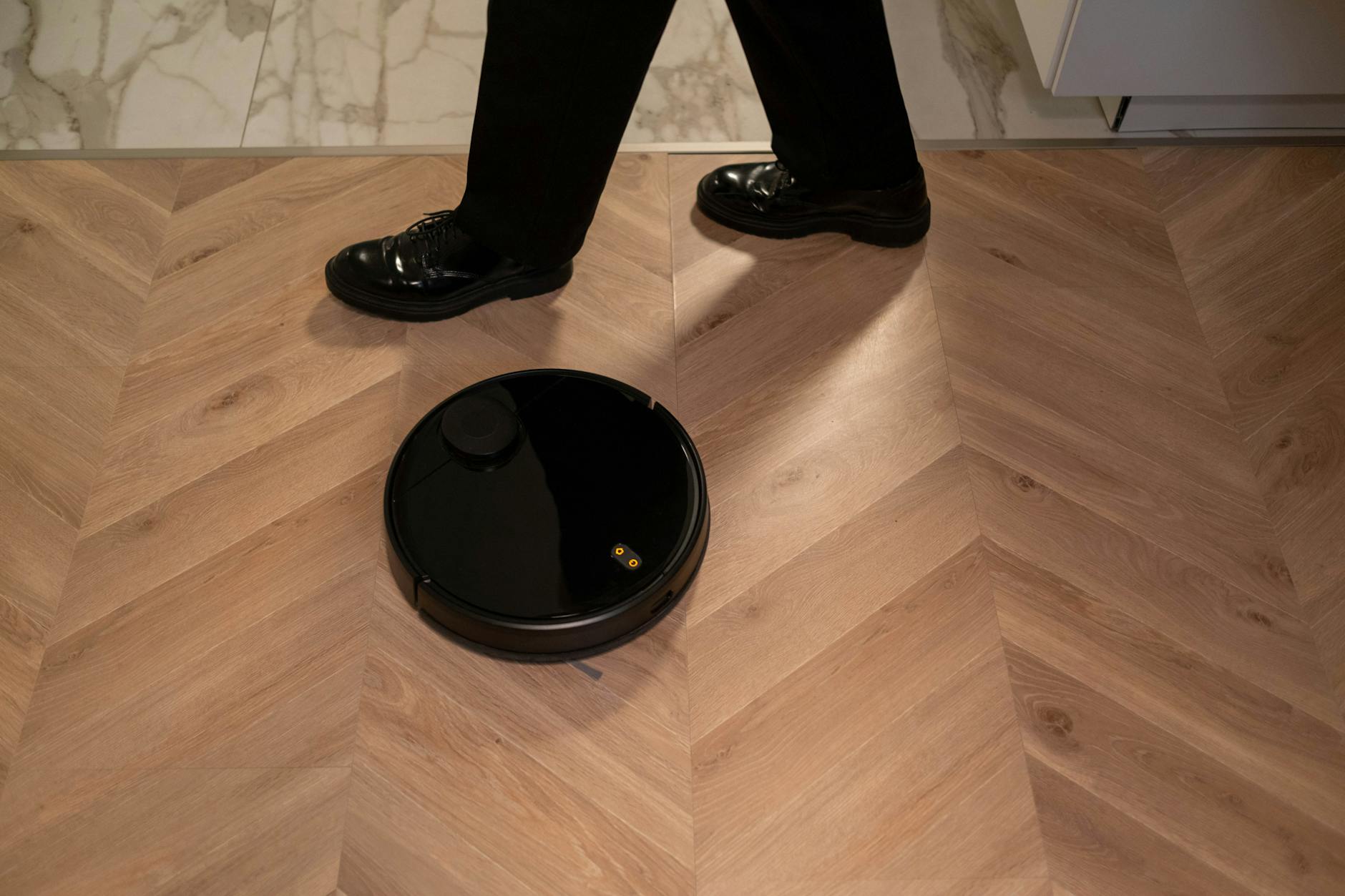
The transformation was startling. What began as an experiment out of curiosity ended up becoming the most reliable floor maintenance hack I’ve discovered in years. Standing in my living room at dusk, watching the late afternoon sunlight dance across the hardwood, I realized I’d stumbled onto something genuinely remarkable—a method so simple that its effectiveness almost seems impossible.
The Problem With Conventional Floor Care
For generations, homeowners have relied on two main approaches to maintain their hardwood floors: vinegar solutions or commercial wax products. Both options come with significant drawbacks that most people either tolerate or remain completely unaware of.
Vinegar, while natural and inexpensive, leaves behind a dull film when used repeatedly. The acidity can also penetrate into the wood grain over time, potentially causing damage to protective finishes. Additionally, the smell lingers far longer than anyone expects, and the moisture itself poses risks to hardwood if applied too generously.
Commercial wax products, on the other hand, create build-up with each application. After several months, your floor develops a cloudy, sticky appearance that requires stripping and refinishing—an expensive and labor-intensive process. These products also become slippery underfoot, creating safety concerns, especially for elderly family members or young children.
What I Discovered By Accident
The breakthrough came when I ran out of my usual cleaning supplies during a particularly busy week. Standing in my kitchen, frustrated and staring at floors that hadn’t been properly maintained in days, I grabbed what many people would consider an unlikely candidate: plain, inexpensive rubbing alcohol.
My reasoning was simple: alcohol evaporates quickly and doesn’t leave moisture behind. Within minutes of testing it on a small, inconspicuous area, I noticed something extraordinary. The floor didn’t just look clean—it gleamed. The wood’s natural grain suddenly became visible, and the finish appeared refreshed and vibrant.
More importantly, there was no streaking, no build-up, and no lingering chemical smell. The alcohol simply evaporated, leaving behind a surface that looked exactly like it did when the floor was first installed.
Understanding Why This Works
The science behind this method is actually straightforward. Rubbing alcohol has several properties that make it ideal for hardwood floor maintenance.
First, its evaporation rate is exceptionally fast. Unlike vinegar solutions or water-based cleaners, rubbing alcohol doesn’t sit on the wood surface, minimizing the risk of moisture damage. It penetrates just enough to lift dirt and buildup from the floor’s finish, then vanishes almost immediately.
Second, rubbing alcohol is a natural degreaser. It removes fingerprints, dust particles, and the invisible film that accumulates from everyday foot traffic. This film is what makes floors appear dull and lifeless, and alcohol eliminates it without leaving any residue of its own.
Third, the solution costs virtually nothing. A bottle of rubbing alcohol from any pharmacy or grocery store costs just a few dollars and lasts for multiple floor cleanings. There’s no need for specialized equipment or expensive commercial products.
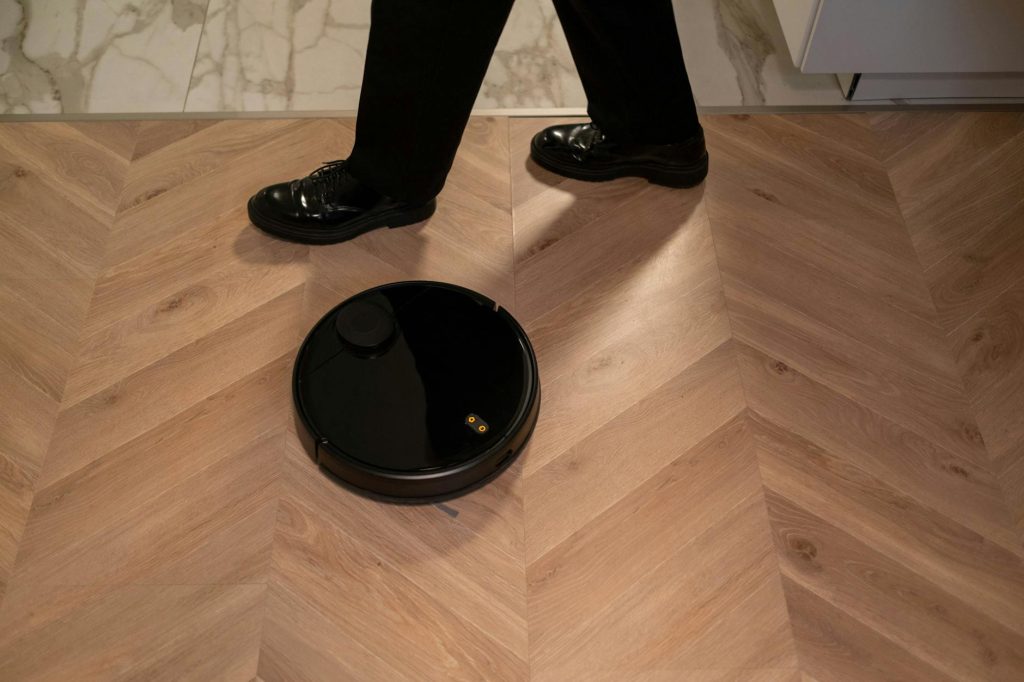
The Proper Application Technique
Simply pouring rubbing alcohol directly onto your hardwood floors would be counterproductive. The method requires a specific approach to maximize results while protecting your flooring investment.
Begin by sweeping or vacuuming thoroughly. Any dust or debris left behind will create scratches when you apply your cleaning solution. This preliminary step is crucial and shouldn’t be rushed.
Next, dampen a microfiber cloth with rubbing alcohol. The key word here is “dampen”—the cloth should be noticeably moist but not dripping. If water drips from your cloth, you’re using too much alcohol. Wring it out thoroughly before applying it to your floors.
Work in small sections, moving systematically across the room. Wipe the floor in the direction of the grain, following the wood’s natural pattern. This technique, combined with the alcohol’s cleaning properties, enhances the grain’s appearance and creates a more natural-looking shine.
Allow each section to air dry completely before moving to the next. This typically takes just a minute or two, given alcohol’s rapid evaporation rate. Once dry, the shine will be immediately visible.
Enhanced Results With Minimal Additions
While plain rubbing alcohol delivers impressive results on its own, a minor modification can enhance the outcome even further. Adding a single drop of linseed oil to your alcohol solution creates a finish that’s slightly warmer and more polished-looking.
The ratio should be approximately one drop of linseed oil per two tablespoons of rubbing alcohol. Mix the solution in a small spray bottle and shake well before each use. The linseed oil won’t create build-up like traditional wax products because it’s so heavily diluted—it simply enhances the natural warmth of the wood.
This variation works particularly well for hardwoods with reddish or golden undertones, where the additional oil deepens the color slightly without darkening it noticeably.
Long-Term Benefits and Consistency
Using this method consistently delivers results that rival professional floor refinishing, but without the expense or disruption. After implementing this routine once weekly, most people notice that their floors maintain a consistent, lustrous appearance throughout the year.
Because the method doesn’t create build-up like traditional wax, you’ll never face the cloudy-floor problem that plagues wax-dependent maintenance routines. Floors cleaned this way remain clear and pristine indefinitely, provided you maintain the weekly schedule.
The environmental impact is also worth noting. Rubbing alcohol is biodegradable and non-toxic to pets or children when used as directed. There’s no chemical smell contaminating your home’s air quality, and no harsh fumes to worry about during application.
Final Thoughts
Maintaining beautiful hardwood floors doesn’t require expensive products, complicated techniques, or environmental concern. Sometimes the best solutions hide in plain sight, overlooked because they seem too simple to be genuinely effective. Next time that late afternoon light spills across your living room, let it reveal floors that truly shine—naturally, beautifully, and without compromise.









Leave a Comment