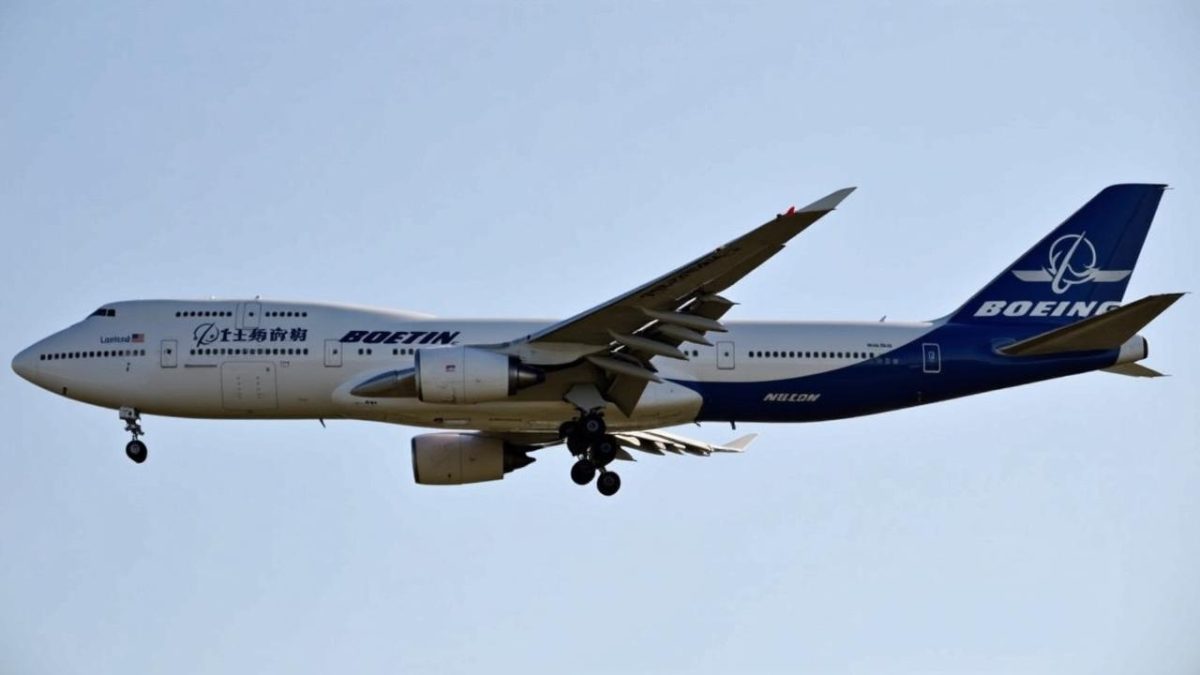
The aviation industry witnessed a dramatic turning point recently as Boeing began the process of returning 737 MAX aircraft to Chinese carriers after years of forced idleness. What initially seemed like a straightforward resolution to a prolonged crisis has instead unveiled a complex web of financial disputes, contractual ambiguities, and deeper fractures in international business relationships. The return of these aircraft doesn’t mark an end to the saga but rather signals the beginning of difficult negotiations over responsibility and compensation.
The Long Road to Aircraft Repatriation
The Boeing 737 MAX grounding began in March 2019 following two catastrophic crashes that claimed hundreds of lives. Chinese aviation authorities, alongside regulatory bodies worldwide, immediately suspended operations of the aircraft type. What was initially projected as a temporary measure stretched into years, with the Federal Aviation Administration not issuing airworthiness directives until late 2020, and regulatory approval in China coming considerably later.
During this unprecedented period, approximately 100 aircraft sat idle at various locations across the United States. These weren’t merely inconvenient equipment sitting in storage—they represented billions of dollars in stranded capital for airlines, manufacturers, and financing companies. The aircraft required constant maintenance, security, and environmental protection against the elements. As months turned into years, the financial hemorrhaging became increasingly severe for all parties involved.
The Financial Complexity of a Stalled Fleet
Understanding who should bear the costs associated with this extended grounding requires examining the intricate relationships between manufacturers, airlines, lessors, and financing institutions. Boeing, as the manufacturer responsible for safety issues that grounded the aircraft, faced immediate pressure to compensate customers. However, the extent of this responsibility remained contested.
Chinese carriers that had ordered these aircraft found themselves in an impossible position. They had made commitments to purchase or lease hundreds of planes expecting delivery on established timelines. With those aircraft grounded indefinitely, they faced significant operational challenges and financial losses. Some had already received partial deliveries before the grounding, while others waited years for aircraft that never arrived during the critical period.
Aircraft lessors—companies that finance and rent planes to airlines—became unwitting stakeholders in the crisis. Their business models depend on maintaining consistent lease payments and timely aircraft delivery. The extended grounding disrupted these fundamental economics, forcing lessors to negotiate with both manufacturers and airlines over responsibility and compensation mechanisms.
Deterioration and Depreciation During Idleness
Years of exposure on tarmacs took their physical toll on these aircraft. Despite maintenance efforts, the passage of time, weather exposure, and storage conditions caused inevitable degradation. Components requiring replacement, systems needing recalibration, and general wear from environmental factors accumulated substantially. This deterioration created an additional financial burden distinct from the grounding itself.
The longer aircraft remained idle, the more acute this problem became. What might have been routine maintenance expenses after months of storage evolved into significant refurbishment costs after years. Some aircraft required extensive work before returning to active service, further complicating the financial picture and raising questions about whether original purchase prices or lease agreements adequately accounted for such extended idle periods.
Trust Erosion and Long-term Implications
Beyond the immediate financial disputes lies a deeper issue affecting the Boeing-China relationship. The extended grounding and uncertainty surrounding compensation damaged the trust that had been carefully cultivated between American manufacturers and Chinese aviation authorities and carriers. This trust deficit extends beyond Boeing to impact perceptions of American aviation safety and reliability standards.
Chinese carriers are now evaluating their long-term strategies regarding aircraft procurement. Some are reconsidering their commitment to Boeing, exploring alternative manufacturers or diversifying their fleet composition. This represents a significant shift in aviation industry dynamics, where China has traditionally represented enormous growth opportunities for Western manufacturers.
Negotiating Compensation Frameworks
The process of returning aircraft has forced all parties to confront fundamental questions about compensation. Did Boeing’s responsibility extend only to fixing the aircraft themselves, or should the manufacturer compensate for losses incurred during the grounding period? Should Chinese carriers absorb some costs given their reliance on the aircraft? Could lessors negotiate better terms given the unprecedented circumstances?
These questions lack straightforward answers. Contract law generally distinguishes between manufacturer defects and force majeure events, yet this situation didn’t fit neatly into either category. The defect was genuine and catastrophic, but the extended regulatory process following the defect’s discovery created additional complications that traditional contracts hadn’t anticipated.
Industry-Wide Lessons and Future Safeguards
The Boeing 737 MAX crisis and its aftermath have prompted the entire aviation industry to reconsider how contracts should address extended groundings. Future agreements between manufacturers and customers increasingly include specific provisions for extended storage, maintenance responsibility allocation during unforeseen groundings, and compensation mechanisms for prolonged delays.
Insurers and risk management professionals have also begun developing more sophisticated frameworks for aviation supply chain disruptions. The assumption that aircraft manufacturing operates smoothly in predictable cycles has been fundamentally challenged, necessitating more robust contingency planning.
Looking Forward: Rebuilding Relationships
As Boeing aircraft return to China, both the manufacturer and Chinese carriers face the challenging work of rebuilding damaged relationships. The financial settlements, while important, represent only the beginning of this process. Demonstrating renewed commitment to safety, maintaining transparent communication, and delivering aircraft reliably going forward will be essential for restoring confidence.
The return of these aircraft symbolizes more than the resolution of a grounding crisis. It represents a moment of reckoning for the entire aviation industry regarding how we manage catastrophic disruptions, allocate responsibility fairly, and maintain international partnerships under extreme pressure. The lessons learned from this experience will shape aviation industry practices for decades to come, influencing how manufacturers, airlines, and regulators approach similar challenges in the future.







Leave a Comment