
Snow is falling in Florida — again.
Residents across parts of the Florida Panhandle woke up to rare snow flurries and icy cold temperatures, marking the second consecutive winter the Sunshine State has seen snowfall.
The unusual weather event unfolded as a powerful Arctic cold front pushed deep into the southeastern United States, bringing freezing air, gusty winds, and winter weather to areas unaccustomed to snow.
While accumulations remained light, the sight of falling snow in Florida quickly captured national attention and raised questions about how long the cold blast will last — and what comes next.
Rare Snowfall Confirmed in Florida Panhandle
Meteorologists confirmed that snow flurries and light dustings were observed in several Panhandle communities, including rural inland areas where temperatures briefly dipped near freezing.
Snow was reported mainly on grass, rooftops, and elevated surfaces, while roadways largely remained clear. Traffic cameras and local weather stations documented flakes falling during the early morning hours.
According to the National Weather Service, conditions were favorable for snow due to a narrow band of moisture interacting with unusually cold air aloft.
Why Snow in Florida Is So Unusual
Florida’s subtropical climate typically prevents snow from forming, even during colder winters.
For snow to occur, freezing temperatures must coincide with sufficient atmospheric moisture, a combination rarely seen outside the far northern Panhandle.
Historically, measurable snowfall in Florida happens only once every several years, and many winters pass with no snow at all. Seeing snow two years in a row is especially uncommon.
Timeline: How the Winter Weather Unfolded
-
Late last week: Arctic air mass begins moving south across the central U.S.
-
Saturday night: Temperatures plunge across North Florida and the Panhandle
-
Early Sunday morning: Snow flurries observed in inland Panhandle counties
-
Sunday daytime: Cold, windy conditions persist statewide
-
This week: Gradual warming expected, though cold mornings remain
The timing mirrors broader winter weather affecting parts of the Southeast.
Areas Most Affected by the Cold Blast
The strongest impacts were felt across the Florida Panhandle and North Florida, where overnight lows dropped into the 20s and low 30s.
Central Florida experienced a sharp temperature drop, while South Florida remained cold by local standards but did not see winter precipitation.
Coastal areas saw strong winds and wind chills that made conditions feel colder than actual temperatures.
Official Weather Warnings and Advisories
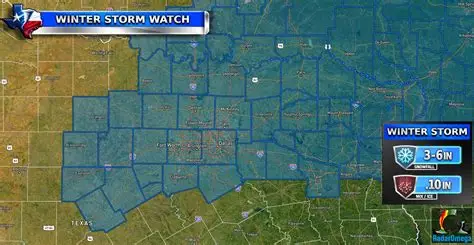
The National Weather Service issued freeze warnings and cold weather advisories for large portions of the state.
Residents were urged to protect pets, plants, and exposed plumbing, especially in northern counties unaccustomed to extended cold.
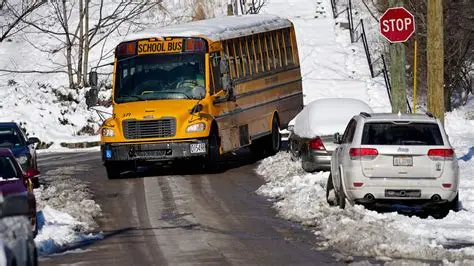
No major travel disruptions were reported, though officials cautioned drivers in rural areas to watch for isolated icy patches early in the morning.
Public Reaction: Surprise and Social Media Buzz
The rare snowfall quickly spread across social media platforms.
Photos and videos showed snowflakes drifting past palm trees and light dustings on lawns — a striking contrast for a state known for warm winters.
Many residents described the event as something they never expected to see, while others recalled previous historic snowfalls from decades past.
How This Fits Into a Larger Weather Pattern
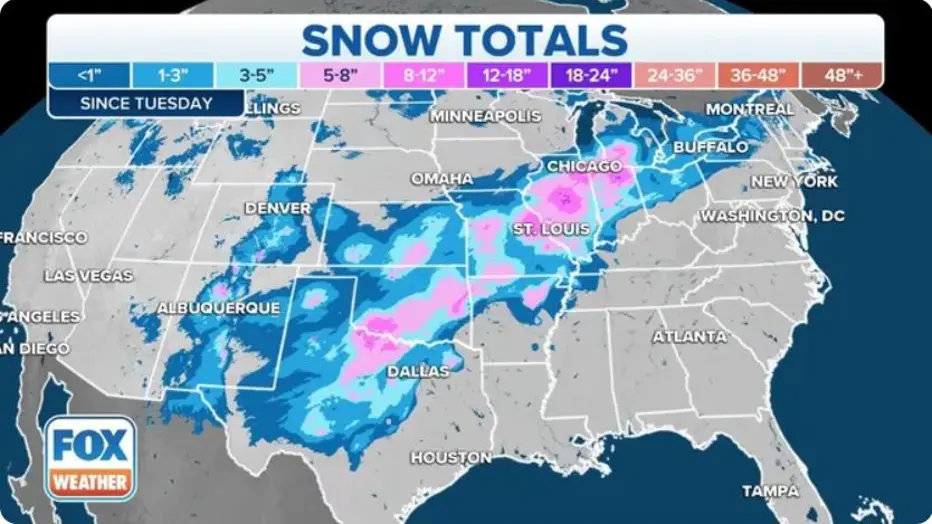
Meteorologists say the Florida snow is part of a broader pattern of extreme winter weather affecting much of the United States.
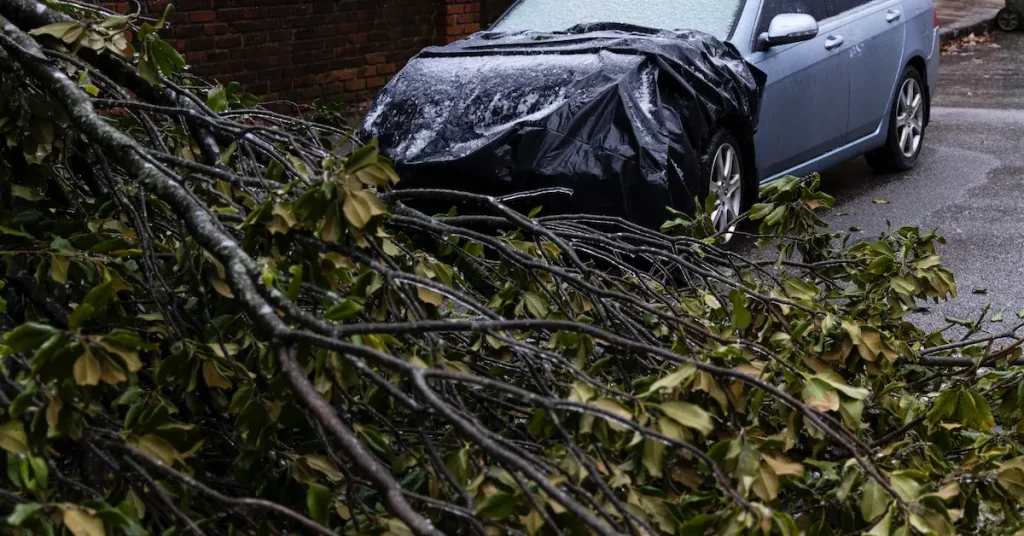
The same cold system brought snow and ice to parts of the Gulf Coast and Deep South, regions that typically see mild winter conditions.
Weather experts caution that rare does not mean impossible, and that strong Arctic outbreaks can occasionally push far enough south to produce snow in Florida.
What Happens Next for Florida’s Weather
Forecast models indicate temperatures will gradually rebound later this week.
However, cold mornings are expected to continue, particularly in North and Central Florida. Additional snow is not expected at this time, though forecasters say brief flurries cannot be fully ruled out during lingering cold periods.
Residents are encouraged to stay informed as conditions evolve.
Key Facts at a Glance
| Detail | Information |
|---|---|
| Event | Rare snowfall in Florida |
| Location | Florida Panhandle |
| Date | January 2026 |
| Who is affected | North & Panhandle Florida residents |
| Weather type | Snow flurries, freeze conditions |
| Current status | Cold blast ongoing |
| What readers should know | Snow was light, roads mostly clear |
Frequently Asked Questions
Did it really snow in Florida?
Yes. Snow flurries and light dustings were confirmed in parts of the Florida Panhandle.
How often does snow fall in Florida?
Snow is rare and usually occurs only once every several years, mainly in the Panhandle.
Did snow accumulate on roads?
No significant roadway accumulation was reported.
Is this the second year in a row Florida has seen snow?
Yes. Snowfall was also reported in parts of Florida during the previous winter.
Will it snow again this week?
Additional snow is unlikely, though cold temperatures will persist.
Which areas were coldest?
The Florida Panhandle and North Florida saw the lowest temperatures.
Closing
The return of snow to Florida underscores how powerful winter weather systems can occasionally reach far beyond their usual boundaries.
As temperatures slowly recover, residents are advised to monitor forecasts, follow local advisories, and prepare for continued cold mornings — even in the Sunshine State.






Leave a Comment