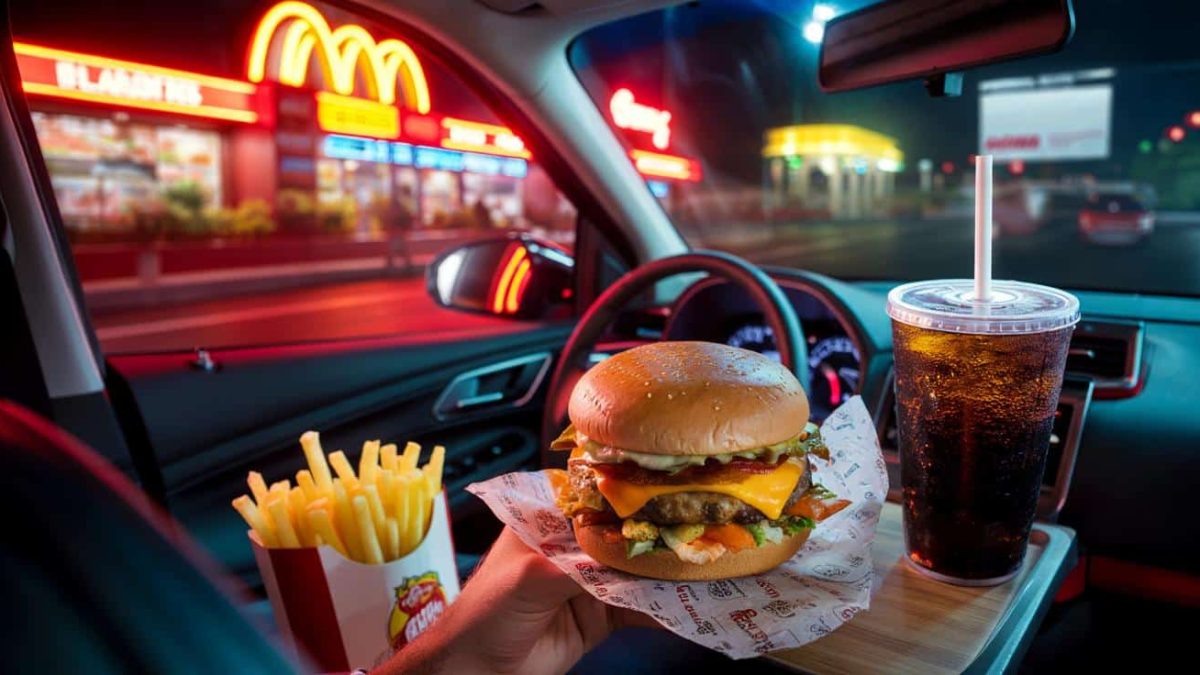
That irresistible urge to grab a burger, fries, or milkshake isn’t just about hunger. It’s a carefully orchestrated combination of food science, psychology, and marketing strategy designed to keep you coming back. While many people blame themselves for lacking willpower, the truth is far more complex—and far more intentional.
The Salt-Sugar-Fat Trifecta
The most obvious culprit behind fast food’s addictive nature is what industry experts call the “bliss point”—the precise combination of salt, sugar, and fat that triggers maximum pleasure in your brain. Fast food chains don’t stumble upon these ratios by accident. They employ food scientists who spend countless hours perfecting formulas that activate reward centers in your brain more effectively than whole foods ever could.
Salt enhances flavor intensity and masks the taste of lower-quality ingredients. It also triggers thirst, encouraging you to purchase beverages that boost profit margins. Sugar provides an immediate dopamine rush—the same neurotransmitter released during genuinely rewarding experiences. Fat carries flavor and creates a satisfying mouthfeel that keeps you craving more, long after the meal ends. When combined strategically, these three elements create a sensory experience that’s almost impossible to resist.
What makes this particularly insidious is that these amounts far exceed what your body needs. A single fast-food meal often contains more sodium than recommended daily intake, more sugar than a dessert should contain, and more saturated fat than health guidelines suggest.
Chemical Flavor Enhancers and Addictive Additives
Beyond the basic ingredients, fast food chains rely on an arsenal of chemical additives that enhance flavor and create psychological associations. Monosodium glutamate (MSG), while generally recognized as safe by regulatory agencies, is a flavor enhancer that amplifies the savory taste of food and has been shown to increase appetite and consumption in some individuals.
Artificial flavorings and colorings serve a dual purpose: they make inexpensive ingredients taste better while creating visual appeal that triggers appetite before you even taste the food. These compounds activate taste receptors and olfactory pathways in ways that natural foods simply cannot match.
Perhaps most troubling are the trans fats and partially hydrogenated oils used in many fast food preparations. While regulations have reduced their prevalence, they still appear in some chains’ products. These ingredients don’t just taste appealing—they may actually affect how your brain processes satiety signals, making it harder to feel full and satisfied.
The Psychological Manipulation Factor
The hidden ingredient in fast food extends beyond chemistry into psychology. Fast food chains employ sophisticated marketing that exploits emotional vulnerabilities. Limited-time offers create artificial scarcity and urgency. Branded characters and mascots form emotional connections, especially with children. Loyalty programs gamify consumption, turning eating into a reward-seeking behavior.
Price points are strategically set to make indulgence feel accessible and reasonable. A five-dollar meal seems like a bargain compared to healthier restaurant options, even though it contains minimal actual nutrition. This psychological pricing manipulates our perception of value and makes frequent visits seem economically justified.
Social media amplifies these effects by showcasing fast food in appealing contexts—celebration, convenience, comfort. When everyone around you is sharing photos of their fast food experiences, resistance becomes harder. The desire for social belonging and participation becomes intertwined with the desire for the food itself.
The Neurobiological Reality of Food Addiction
Neuroscientific research increasingly supports the concept of food addiction, particularly to ultra-processed fast food. Brain imaging studies show that highly palatable foods activate the same neural pathways as addictive drugs. The reward system becomes sensitized, requiring more stimulation to achieve the same satisfaction—a phenomenon known as tolerance.
When you consume fast food regularly, your brain’s dopamine receptors actually decrease in number and sensitivity. This means you need increasingly larger quantities or more frequent consumption to experience the same pleasure. It’s a genuine physiological adaptation, not a moral failing.
Additionally, these foods suppress leptin signaling—the hormone that tells your brain you’re full. Meanwhile, they fail to trigger satiety mechanisms that whole foods naturally activate. So you feel hungry again shortly after eating, creating a cycle of constant craving and consumption.
Breaking Free from the Cycle
Understanding these mechanisms is the first step toward reclaiming control. Recognizing that your cravings aren’t personal weakness but rather the result of deliberate food engineering removes shame from the equation. This shift in perspective is psychologically powerful and makes behavior change more achievable.
Practical strategies include avoiding trigger situations where possible, replacing fast food habits with healthier alternatives that you genuinely enjoy, and being patient with yourself during the transition period. Your brain needs time to recalibrate its reward systems and restore normal satiety signaling.
Reading ingredient lists reveals just how many artificial compounds you’re consuming. This awareness often serves as powerful motivation. Choosing whole foods with five or fewer recognizable ingredients creates a stark contrast to fast food’s chemical complexity.
The Future of Food Transparency
As consumer awareness grows, some regulatory movements push for greater transparency in food labeling and marketing practices. Some fast food chains have begun reformulating products with fewer additives, though these changes remain cosmetic in many cases. True transformation would require fundamental shifts in how these businesses approach food preparation and ingredient sourcing.
The reality is that fast food companies will continue optimizing their products for maximum appeal and repeat consumption—it’s their business model. Your responsibility is understanding these tactics and making informed choices about your relationship with these foods.
That irresistible craving you feel? It’s not a personal failing. It’s the result of sophisticated food science, psychological manipulation, and neurobiological effects all working in concert. By understanding what’s actually happening when you reach for that burger, you gain power to choose differently—not from willpower alone, but from genuine comprehension of the forces at work.











Leave a Comment