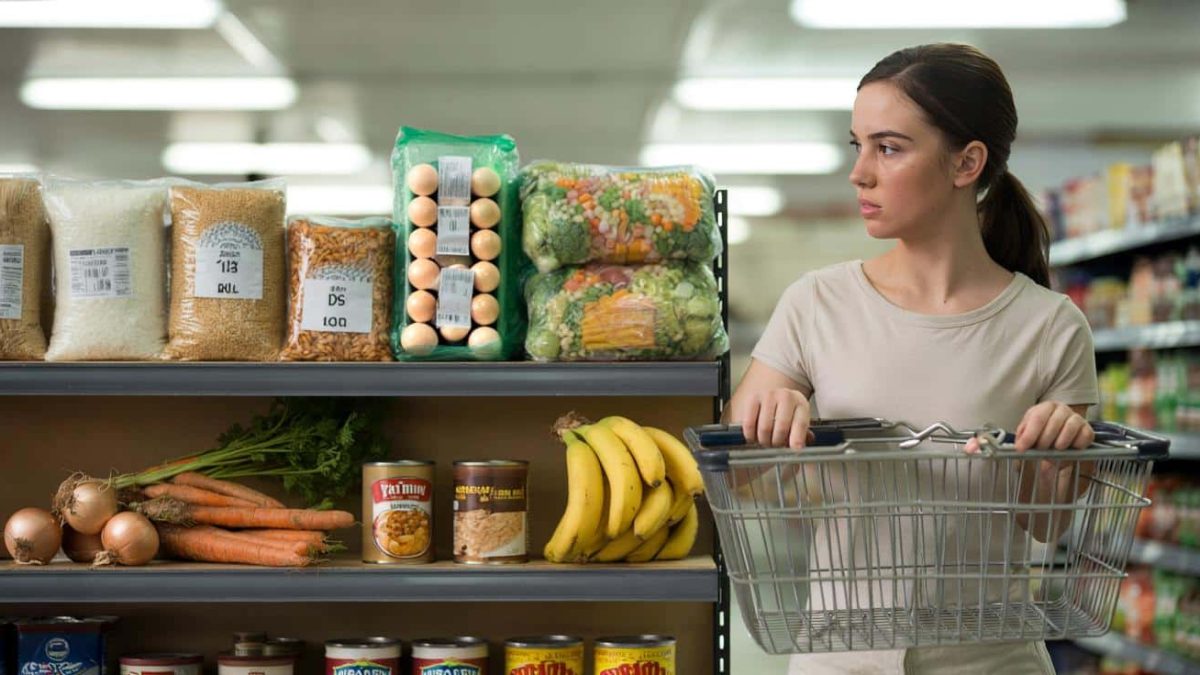
The checkout line stretches endlessly as you watch the total climb higher and higher. Your cart contains basics—milk, eggs, vegetables—yet somehow the bill threatens to exceed your weekly food budget. If this scenario feels familiar, you’re not alone. Millions of people struggle to balance nutrition with affordability, often sacrificing health for price tags. But what if there was a way to eat nutritiously, maintain your wellbeing, and stay within a $20 weekly budget? According to registered dietitians, it’s entirely feasible when you approach grocery shopping strategically.
Understanding the Real Challenge
Budget constraints don’t mean settling for nutritionally empty foods. The real challenge lies in identifying which foods offer maximum nutritional value relative to their cost. Many people default to cheap processed items, assuming fresh, whole foods are inherently expensive. However, this misconception often leads to hidden costs—healthcare expenses, reduced energy levels, and diminished quality of life compound the initial savings.
A registered dietitian from the American Academy of Nutrition and Dietetics explains that the foundation of budget-conscious eating involves understanding food value density. This means calculating not just price per item, but nutritional return per dollar spent. Whole grains, legumes, seasonal produce, and protein-rich staples typically offer the best value proposition.
The Strategic Shopping Framework
Before entering any grocery store, successful budget shoppers operate from a structured plan. This framework begins with assessing what you already have at home, identifying nutritional gaps, and then strategically filling those gaps with high-value foods. The $20 weekly budget requires approximately three dollars daily for sustenance, making every purchase decision critical.
The most effective approach divides your budget into three categories: proteins, carbohydrates, and produce. Allocating roughly $8-10 toward proteins, $6-8 toward carbohydrates, and $4-6 toward fresh produce creates a balanced nutritional foundation. This distribution ensures adequate energy, essential amino acids, and micronutrients across your meal plan.
Your $20 Weekly Grocery List Breakdown
Proteins ($8): Eggs remain unbeaten for budget protein shopping. A dozen eggs cost approximately $2.50-3.00 and provide 72 grams of complete protein. Add one pound of dried beans or lentils ($1.50-2.00) and a small container of peanut butter ($2.50-3.00), and you’ve secured diverse protein sources covering approximately seven dollars. Greek yogurt, when available on sale, adds another affordable protein option.
Carbohydrates ($7): Rice and oats form the carbohydrate backbone. Five pounds of white or brown rice costs roughly $3.00-3.50 and provides energy for multiple weeks. Rolled oats ($2.00-2.50 per container) offer breakfast options and baking flexibility. A loaf of whole wheat bread ($1.50-2.00) completes this category, providing additional fiber and micronutrients.
Produce ($5): Seasonal vegetables stretch your produce budget significantly. Carrots, potatoes, and onions typically cost under $0.50 per pound. Bananas and apples offer affordable fresh fruit options. Frozen vegetables, often cheaper than fresh varieties, retain nutritional value while reducing waste. One cabbage, several pounds of sweet potatoes, and whatever seasonal produce is on sale rounds out this allocation.
Practical Weekly Meal Ideas
With these ingredients, constructing satisfying, nutritious meals becomes straightforward. Monday breakfast might feature oatmeal with banana and peanut butter. Lunch could include rice, beans, and sautéed carrots with onions. Dinner combines eggs with sweet potato and steamed cabbage. This pattern repeats with variations, providing balanced macronutrients without monotony.
One registered dietitian recommends batch cooking on Sundays to maximize ingredient utility and minimize food waste. Preparing large portions of rice, beans, and roasted vegetables creates a foundation for multiple meal combinations throughout the week. This approach also reduces reliance on convenience foods during busy weekdays.
Shopping Strategies That Amplify Your Budget
Success with a $20 weekly budget depends partly on shopping intelligence. Purchasing store brands instead of name brands saves approximately 20-30% without quality compromise. Shopping seasonal produce—carrots and potatoes in winter, berries and squash in summer—aligns prices with availability.
Unit pricing becomes essential at this budget level. Sometimes bulk quantities offer superior value despite higher upfront costs. A five-pound bag of rice costs less per pound than a two-pound bag. Dollar stores, ethnic markets, and discount grocers often feature identical products at lower prices than conventional supermarkets.
Additionally, purchasing items with multiple uses maximizes value. Eggs serve as breakfast, protein source, or baking ingredient. Oats become breakfast, thickener for ground meat stretching, or baking component. Onions function as flavor base, vegetable component, or standalone side dish. This versatility ensures no food goes underutilized.
Nutritional Adequacy and Health Outcomes
The skeptical question remains: can this budget truly sustain health? Multiple nutritional analyses confirm that the outlined grocery list meets recommended daily allowances for most macro and micronutrients. The combination of eggs, legumes, and whole grains provides complete proteins and B vitamins. Seasonal produce supplies fiber, vitamin C, and essential minerals. Healthy fats from peanut butter support hormone production and nutrient absorption.
The only potential deficiency involves vitamin D, easily addressed through sunlight exposure or a minimal supplement during winter months. This comprehensive nutritional approach explains why dietitians confidently endorse this budget-conscious strategy.
Beyond the Grocery Store
Sustainable budget eating extends beyond shopping. Minimizing food waste through proper storage, creative leftover use, and composting organic matter ensures maximum value extraction. Growing herbs on windowsills or maintaining a small garden amplifies produce resources. Building relationships with local farmers markets near closing time often yields discounted fresh produce.
The psychological dimension matters equally. Approaching budget eating as a creative challenge rather than deprivation shifts perspective. Discovering delicious, simple combinations becomes rewarding. Many people following tight budgets develop stronger cooking skills and deeper food appreciation than those with unlimited resources.
Conclusion
The $20 weekly grocery budget, approved by registered dietitians and validated through nutritional science, demonstrates that affordability and wellness aren’t mutually exclusive. With strategic planning, smart shopping, and basic cooking skills, anyone can nourish their body adequately while respecting financial constraints. The young woman frozen in the supermarket aisle isn’t facing an impossible task—she simply needs the right framework and knowledge. Armed with this grocery list and approach, feeding yourself well becomes not just possible, but genuinely achievable.











Leave a Comment