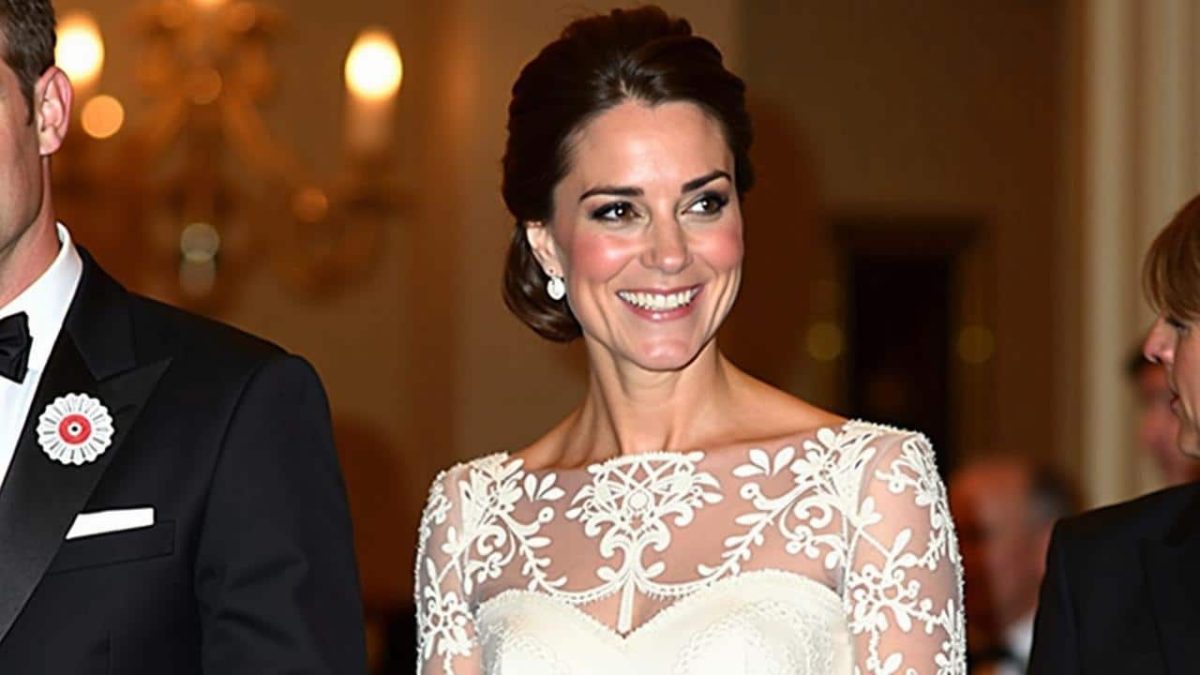
When dignitaries and world leaders gather for official state ceremonies, the fashion decisions made by prominent attendees often overshadow the political discussions that follow. The intersection of haute couture and international relations creates a fascinating narrative where thread count and hemlines carry geopolitical significance. This phenomenon has become increasingly apparent at modern state banquets, where the global media circus focuses as intently on what attendees wear as on what they say behind closed doors.
The Power of Visual Storytelling in Diplomatic Settings
Fashion has long served as a universal language, communicating values, heritage, and intentions without uttering a single word. At state banquets—among the most formal and scrutinized events in the diplomatic calendar—clothing choices transcend personal preference and enter the realm of strategic communication. When high-profile attendees select their evening attire, they’re not simply choosing what looks beautiful; they’re making deliberate statements about their nations, their roles, and their positions on the world stage.
The crimson carpet that greets guests at such prestigious events becomes a runway where soft power is displayed alongside jewelry and carefully tailored garments. Each detail, from fabric selection to color symbolism, carries weight in international media discourse. Fashion journalists, political analysts, and cultural commentators collectively dissect these choices, extracting meaning from every embellishment and design decision.
The Evolution of Formal Diplomatic Dress Codes
State banquets represent one of the few remaining occasions where formal dress codes remain strictly observed across cultures and continents. Unlike the increasingly casual nature of modern business attire, these ceremonies maintain traditions that stretch back centuries. The perpetuation of formal evening wear at such events serves multiple purposes: it maintains ceremonial dignity, creates visual unity among attendees, and establishes clear boundaries between ordinary life and extraordinary diplomatic occasions.
However, within these rigid frameworks, creative expression finds room to flourish. Designers working with prominent attendees must balance adherence to formal traditions with opportunities for subtle individuality. This tension produces remarkable pieces that honor ceremonial conventions while pushing aesthetic boundaries. The challenge lies in creating garments that will photograph well under intense scrutiny while maintaining the gravitas appropriate for discussions of international importance.
Embellishment as Meaningful Messaging
Intricate lacework and detailed embellishments carry profound significance in formal diplomatic fashion. These elaborate details aren’t merely decorative flourishes; they often represent cultural heritage, national symbolism, or personal narratives woven into fabric. When attendees choose gowns featuring detailed needlework or handcrafted elements, they’re frequently honoring artisanal traditions specific to their nations or regions.
The selection of embellishment techniques speaks volumes about the wearer’s appreciation for craftsmanship and cultural preservation. Fine lace, whether machine-made or hand-executed, requires specialized knowledge and considerable production time. By featuring such elements prominently at state occasions, attendees effectively elevate traditional textile arts onto the world’s most visible stage. This decision simultaneously celebrates cultural identity and challenges contemporary fast-fashion paradigms.
Accessory Strategy in High-Stakes Fashion Moments
While primary garments command initial attention, signature accessories often prove equally memorable in international media coverage. The selection of jewelry, clutches, or distinctive hair accessories frequently generates as much discussion as the main dress itself. These complementary pieces serve multiple functions: they add personal dimension to formal dress codes, provide opportunities for creative expression, and often become iconic symbols associated with particular events or time periods.
Strategic accessory choices demonstrate how attendees approach the balance between tradition and modernity. Heritage pieces—whether inherited jewels or contemporary designs referencing historical styles—anchor formal wear in cultural continuity while contemporary accessories ensure the overall look feels current and relevant. This interplay between old and new creates visual narratives that resonate across generational divides and cultural boundaries.
The Global Media Machine and Fashion Diplomacy
International media coverage of state banquet fashion operates according to distinct hierarchies and preferences. Photographers anticipate moments, fashion editors prepare analysis pieces before events conclude, and social media amplifies reactions instantaneously across platforms. This instantaneous global conversation about formal fashion choices has created new dimensions of pressure and opportunity for those attending such events.
The democratization of fashion commentary through digital platforms means that attendees’ sartorial choices receive analysis from professional critics, fashion enthusiasts, and casual observers simultaneously. This expanded audience has fundamentally changed how designers approach state banquet commissions. The understanding that a garment will be examined from multiple angles, in various lighting conditions, and discussed across countless forums influences every creative decision made during the design and production process.
Cultural Representation Through Couture Choices
State banquets frequently bring together representatives from diverse nations, each carrying expectations to represent their country’s aesthetic values and cultural pride. Fashion becomes a vehicle for cultural diplomacy, allowing attendees to showcase national design traditions and artisanal excellence on an international platform. By selecting designers and garment styles that reflect national heritage, attendees participate in cultural exchange that extends far beyond political negotiations.
The choice to feature particular design elements, color palettes, or construction techniques can subtly reinforce diplomatic messages and cultural pride. When attendees deliberately select attire that highlights their nation’s creative industries and craftsmanship traditions, they’re investing in soft power that influences global perception in meaningful ways. This strategic use of fashion creates lasting impressions that complement official diplomatic statements.
Looking Forward: Fashion’s Role in International Relations
As state banquets continue to serve as essential diplomatic ceremonies, the fashion dimensions of these events will only grow in significance. The convergence of formal tradition and modern media scrutiny creates unique opportunities for meaningful cultural communication through clothing. Future attendees will likely continue leveraging fashion as a tool for cultural representation, personal expression, and diplomatic messaging.
Understanding the complex interplay between formal attire, media perception, and international relations provides insight into how modern diplomacy operates beyond formal negotiations. Fashion becomes a language through which nations communicate, traditions persist, and innovation finds appropriate expression. State banquets will remain stages where elegant garments and distinctive accessories shape global conversations and influence international perspectives in subtle yet profound ways.









Leave a Comment