
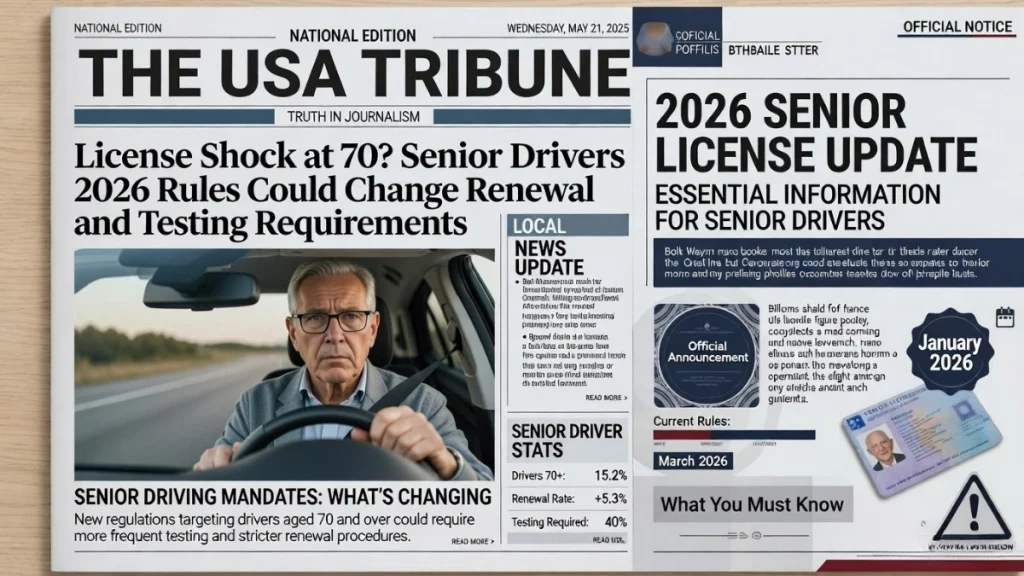
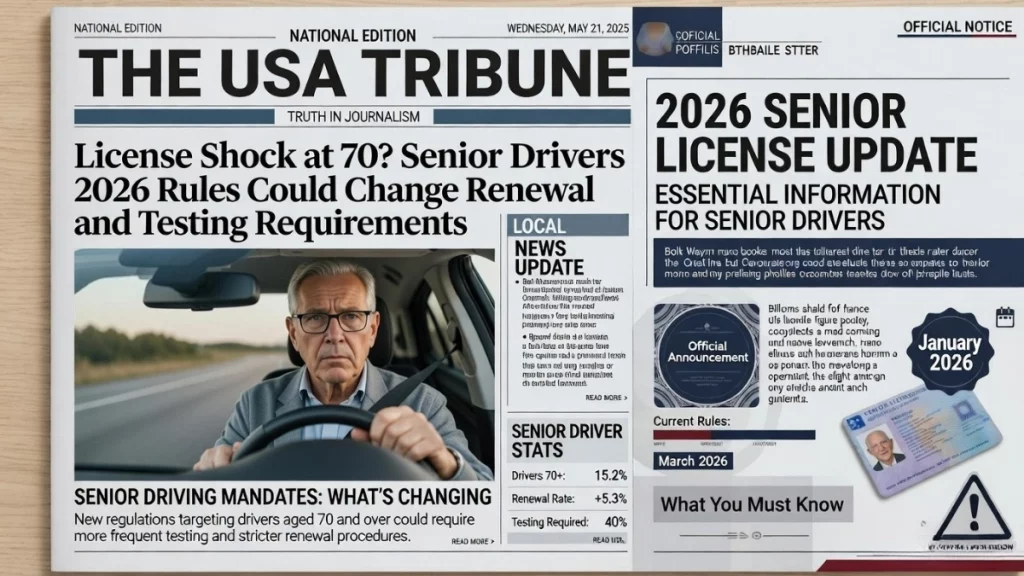
The conversation around senior drivers and road safety has intensified considerably in recent years. Across developed nations, a provocative question lingers: should there be an automatic age limit after which drivers must surrender their licences? This emerging debate touches on fundamental issues of public safety, personal autonomy, and demographic reality in aging societies.
The Current Landscape of Aging Behind the Wheel
Today’s driving population looks vastly different from that of previous decades. People are living longer, remaining active, and continuing their driving habits well into their seventies, eighties, and beyond. In the United States, approximately 40 million licensed drivers are over 65, representing nearly 15% of all drivers on the road. Similarly, European nations face comparable demographic shifts as life expectancy climbs and retirement ages extend.
This demographic reality presents transportation authorities with a complex puzzle. While many senior drivers remain perfectly capable and safe, statistical evidence consistently shows that accident rates increase significantly in certain age brackets, particularly among drivers over 80. The challenge lies not in addressing the entire senior population—most of whom drive safely—but in identifying those individuals whose physical, cognitive, or medical conditions compromise their ability to operate vehicles safely.
Why Age-Based Restrictions Are Being Considered
Proponents of age-based driving licence restrictions point to compelling safety data. Natural age-related changes affect vision, reaction time, flexibility, and cognitive processing—all essential components of safe driving. Additionally, polypharmacy (the use of multiple medications simultaneously) becomes increasingly common with age, and many medications carry side effects that impair driving ability.
Insurance companies have long recognized these patterns, often charging higher premiums for older drivers or imposing restrictions on coverage. Public health organizations similarly highlight that traffic accidents represent a significant cause of injury and death among seniors, while also recognizing that accidents involving older drivers often result in severe consequences for other road users.

Several European countries have already implemented periodic licence renewal requirements for older drivers. France requires licence renewals every two years for drivers over 78. Japan conducts cognitive assessments for drivers aged 75 and above. These nations view periodic evaluations not as punitive measures but as reasonable safeguards that balance individual mobility needs with community safety.
The Counterargument: Chronological Age Versus Individual Capability
However, mandatory age-based restrictions face substantial criticism from various quarters. Gerontologists and medical professionals argue that chronological age is a poor predictor of driving ability. A healthy, sharp 85-year-old driver may be considerably safer than a distracted 35-year-old or a 55-year-old with uncontrolled medical conditions. Blanket age policies ignore this individual variation and potentially discriminate against capable older drivers.
Senior rights advocates emphasize that driving represents far more than a convenience—it constitutes independence, social connection, and access to essential services. In many regions, particularly rural areas with limited public transportation, losing driving privileges often means losing access to medical appointments, social engagement, and basic necessities. For millions of seniors, driving enables them to maintain autonomy and community participation.
Furthermore, research demonstrates that many traffic incidents occur at younger ages where risk-taking behaviors are more prevalent. Restricting older drivers while ignoring teenage and young adult driving patterns seems inconsistent from a pure safety standpoint, raising questions about whether age-based policies truly represent evidence-based road safety measures.
The Real Solution: Assessment Over Age Limits
Rather than implementing blanket age cutoffs, many experts advocate for individualized assessment approaches. Comprehensive evaluations addressing vision, hearing, cognitive function, physical mobility, and medication interactions provide more accurate safety predictions than age alone.
Functional assessments, including road tests and medical evaluations, offer objective measures of driving capability. Some jurisdictions have implemented on-road assessment programs where older drivers can demonstrate their abilities to trained evaluators. These approaches respect individual differences while still identifying those whose capabilities have genuinely declined.

Technology also presents promising alternatives. Advanced driver-assistance systems, including collision avoidance technology and adaptive cruise control, can compensate for reduced reaction times. Some jurisdictions are exploring graduated licence restrictions based on functional capabilities rather than age—perhaps limiting certain drivers to daytime driving or local routes rather than eliminating their ability to drive entirely.
International Perspectives and Policy Approaches
Different countries demonstrate varying philosophies toward this issue. Australia implements mandatory assessments at 75 and every two years thereafter. Canada leaves decisions to provincial authorities, resulting in a patchwork of approaches. Several U.S. states require vision testing for renewal but avoid age-specific mandates.
Scandinavian countries focus heavily on public transportation infrastructure as an alternative to driving restrictions, allowing older adults to maintain mobility even without personal vehicles. This approach recognizes that safe transportation solutions extend beyond licence policies.
The Path Forward: Evidence-Based Policy
As populations age globally, transportation policy will inevitably evolve. The evidence suggests that purely age-based restrictions represent an imperfect solution. Instead, the most defensible approach combines periodic comprehensive assessments, flexible options accommodating functional limitations, investments in alternative transportation for those who cannot drive safely, and continued research into age-related driving capability.
The goal should not be eliminating older drivers from roads but rather ensuring that those on the roads—regardless of age—possess the necessary capabilities for safe operation. This requires nuanced policy, adequate funding for assessment infrastructure, and genuine dialogue between policymakers, medical professionals, safety experts, and seniors themselves.
The question isn’t whether 75-year-olds should automatically lose driving privileges—it’s how society can fairly evaluate individual capability and provide safe mobility options for all residents as they age.









Leave a Comment