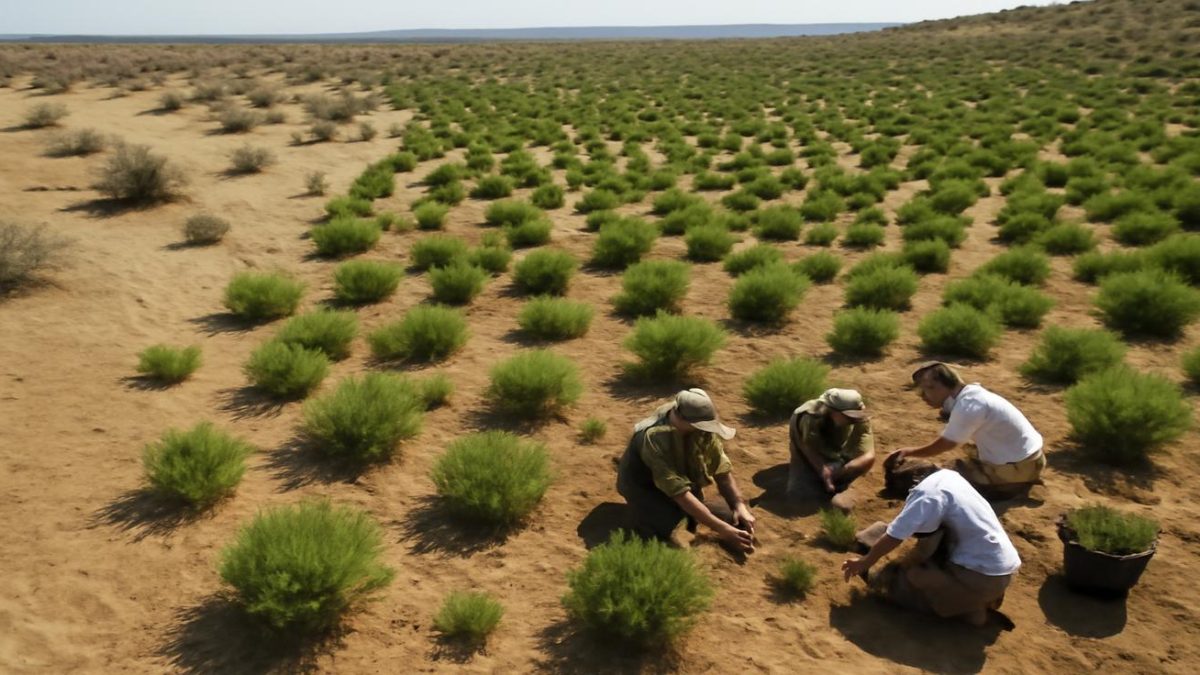
When the first rains arrive after an extended drought, they carry more than just moisture—they represent hope for ecosystems pushed to the brink of collapse. Across some of the world’s most challenging landscapes, a quiet revolution is unfolding as restoration specialists plant millions of native species to reverse centuries of degradation and breathe life back into barren terrain.
The Scale of Desert Decline
Desert ecosystems have always existed at the edge of survival, but human activity has dramatically accelerated their decline. Overgrazing, inappropriate water management, climate change, and conversion to agricultural land have transformed once-biodiverse arid regions into nearly lifeless wastelands. The problem isn’t merely aesthetic—degraded deserts lose their capacity to support indigenous wildlife, filter water, store carbon, and provide resources for local communities.
For decades, environmental scientists watched helplessly as deserts expanded and native species disappeared. The conventional wisdom suggested that some damage was simply too extensive to reverse. Then, evidence began to emerge suggesting that nature, given the right tools and support, could heal itself.
A New Approach to Restoration
Rather than attempting to transform deserts into something they’re not, conservation teams shifted strategy. Instead of importing non-native species or creating artificial ecosystems, they focused on reintroducing plants that naturally evolved to thrive in arid conditions. These native species possess thousands of years of adaptation to local climate patterns, soil chemistry, and seasonal variations.
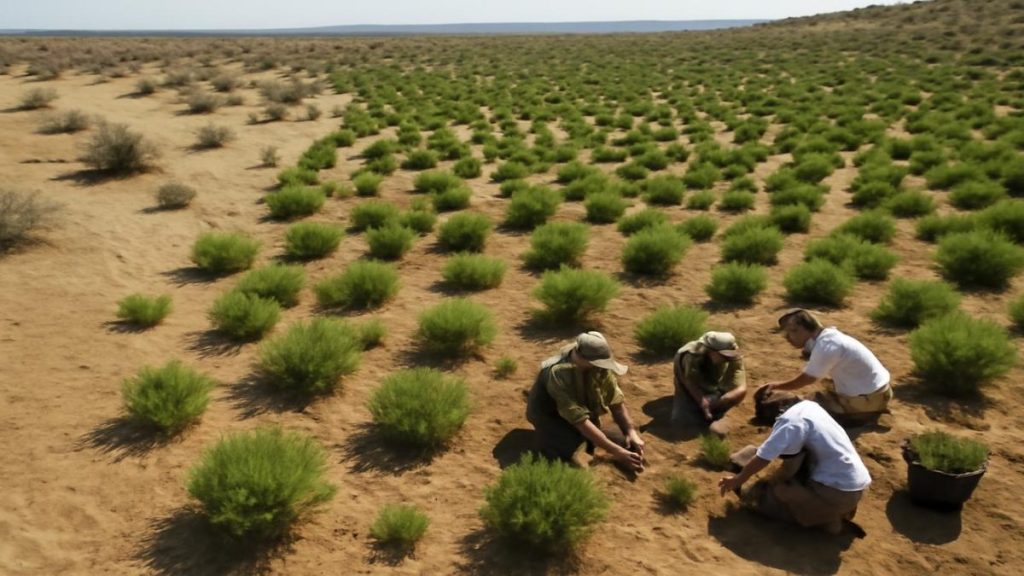
The initiative to plant over five million native specimens represents perhaps the most ambitious desert restoration project ever attempted. Teams have worked methodically across multiple continents, carefully selecting species based on historical records, archaeological evidence, and ecological studies. Each plant represents a calculated step toward ecosystem recovery.
How Native Plants Combat Land Degradation
Native plants serve as nature’s infrastructure in arid environments. Their root systems, adapted to penetrate deep into compacted soil, break up hardened earth and create channels for water infiltration. This prevents dangerous runoff that carries away topsoil and deepens erosion patterns. When rain does fall—whether regularly or after drought periods—native plants capture and retain moisture more efficiently than barren ground.
The vegetation also moderates surface temperatures. Desert soil exposed to relentless sun becomes increasingly hostile to organic matter and microorganisms. Native plants provide crucial shade, reducing temperature extremes and creating microclimates where soil biology can recover. Fallen leaves and plant material decompose into organic matter, rebuilding the nutrient-poor substrates that characterized degraded areas.
Perhaps most critically, native plants stabilize the soil itself. Where wind erosion once stripped away precious topsoil, plant roots anchor the ground while above-ground vegetation blocks erosive winds. This creates a positive feedback loop: as soil stabilizes, more plants can establish, further reducing degradation.
Wildlife Returns to Revitalized Deserts
The ecological benefits extend far beyond soil and water. Native plants represent food sources and habitat for desert-adapted wildlife that had vanished from degraded areas. Insects return to pollinate flowers. Birds discover shelter and seeds to eat. Small mammals find protection among native shrubs and grasses. Predators follow their prey, reestablishing food webs that had collapsed.
This biological recovery happens gradually but measurably. Research teams monitoring reforestation sites document increasing species diversity with each passing year. Animals naturally dispersed from adjacent healthy ecosystems, recognizing restored areas as viable habitat. The process demonstrates that deserts don’t need to remain barren—they simply needed the opportunity to regenerate.
Climate and Water Security Benefits
Beyond immediate ecosystem restoration, native plant reintroduction addresses larger climate concerns. Vegetation in arid regions acts as carbon sequestration, though less dramatically than tropical forests. More importantly, restored deserts retain moisture more effectively, reducing local water stress. In regions where groundwater depletion threatens communities, this moisture retention can influence regional water availability and agricultural viability.
Climate change continues accelerating arid expansion worldwide, making restoration efforts increasingly urgent. By creating resilient native plant communities now, conservationists build adaptive capacity for future climate scenarios. Desert ecosystems strengthened through restoration demonstrate greater flexibility when facing temperature fluctuations and precipitation variability.
Challenges and Realistic Expectations
This restoration success story comes with important caveats. Planting five million native species requires enormous resources, coordination, and patience. Not every seedling survives—harsh desert conditions claim many plants despite careful preparation. Long-term commitment matters more than initial enthusiasm; recovery measured in decades requires sustained funding and attention.
Additionally, restoration cannot completely reverse all damage. Contaminated soil in some regions requires remediation before native plants can thrive. Invasive species may compete aggressively with reintroduced natives, requiring ongoing management. Communities living in and near restored areas must support conservation efforts, which can create tension if restoration conflicts with traditional land uses.
Lessons for Global Conservation
The success of desert restoration through native plant reintroduction offers valuable lessons extending far beyond arid regions. It demonstrates that ecological decline, while serious, isn’t necessarily permanent. Strategic intervention guided by ecological science can catalyze natural recovery processes. Native species matter profoundly—they carry evolutionary adaptations that non-native alternatives simply cannot match.
The project also highlights the importance of long-term thinking in conservation. Quick fixes rarely work in ecosystem restoration. Instead, committed multi-year efforts that respect natural processes produce lasting results. Communities invested in their local ecosystems—including indigenous peoples with generations of traditional ecological knowledge—often prove most effective stewards.
Looking Forward
As climate change intensifies and human populations continue expanding, desert ecosystems will face unprecedented pressure. The lessons learned from reintroducing millions of native plants provide a roadmap for adaptation. Rather than viewing deserts as sacrifice zones or expansion opportunities, this approach treats them as ecosystems worthy of restoration and protection.
The next rainfall after an extended drought carries different meaning now. It represents not merely weather, but evidence that degraded landscapes can heal. Each native plant contributes to this recovery, stabilizing soil, supporting life, and demonstrating that even harsh environments can be restored when we work with nature rather than against it. The five million plants already in the ground represent just the beginning of a much larger transformation.










Leave a Comment