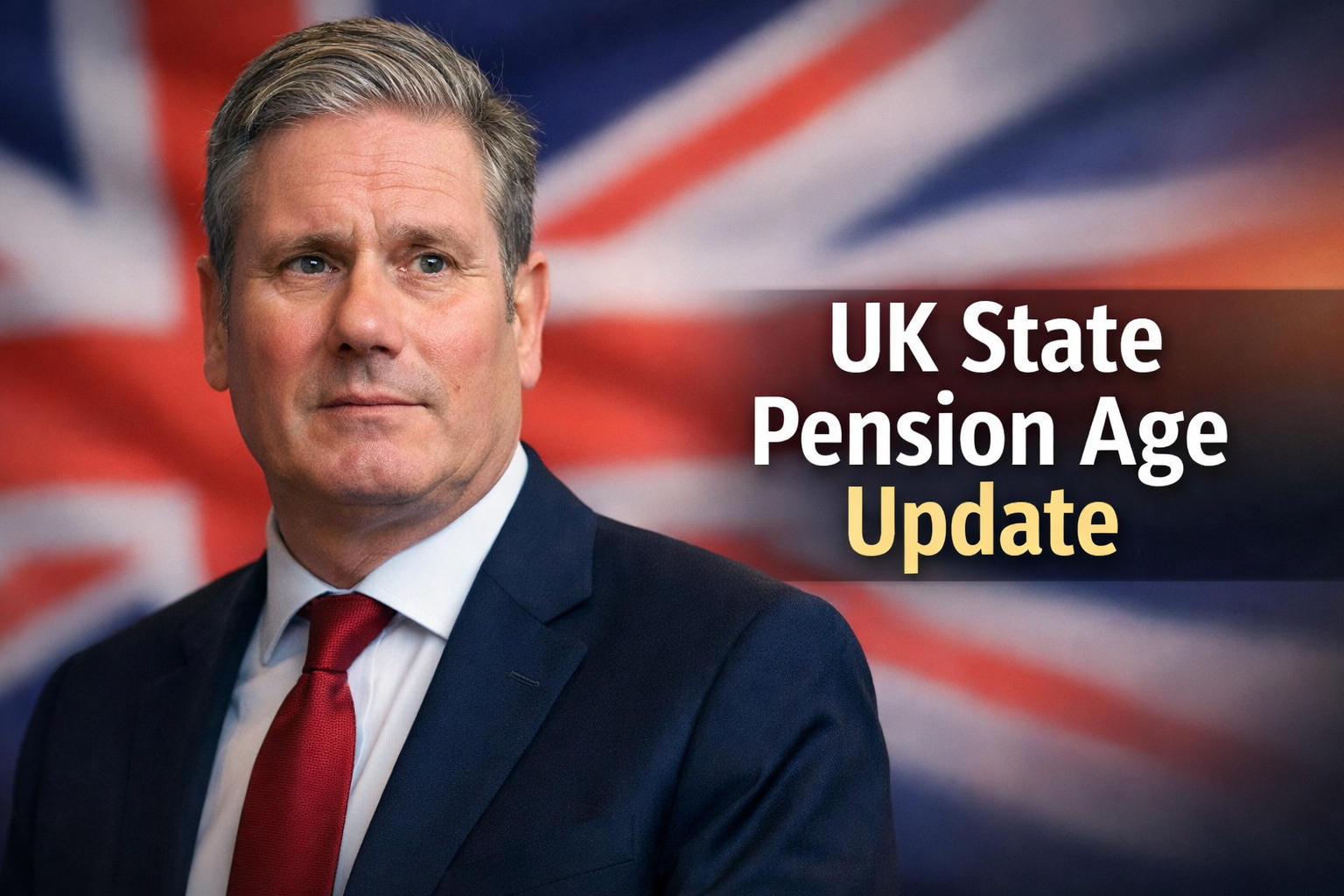
For millions of people across the UK, retirement planning has long revolved around a simple number: 67. It was the age many expected to stop working and finally claim their State Pension. But that assumption is now being challenged.
With the UK government steadily increasing the State Pension age, the idea of retiring comfortably at 67 is no longer guaranteed for everyone. For some, retirement will come later. For others, it may require rethinking work, savings, and financial security altogether.
This article explains what’s changing, why it’s happening, who is affected, and how to prepare, in clear and practical terms.
Understanding the UK State Pension Age
The State Pension age (SPA) is the earliest age at which you can start receiving the State Pension from the government. It is not the same as when you must stop working — many people work longer, while others retire earlier using private savings.
Over the past 15 years, the SPA has risen steadily as governments respond to longer life expectancy and growing pension costs.
Inflation Refund Check 2026: Who Qualifies, How Much You’ll Get, and When to Expect Payment
Why Retiring at 67 Is No Longer Certain
The phrase “goodbye to retiring at 67” doesn’t mean retirement at 67 has already ended — but it signals a shift in direction.
Three major forces are driving this change:
Longer Life Expectancy
People are living longer than ever before. While this is positive, it means the government pays pensions for many more years than when the system was designed.
Rising Pension Costs
An ageing population means fewer workers supporting more pensioners. Without changes, the cost of State Pensions would place serious strain on public finances.
Legal Pension Reviews
UK law requires the State Pension age to be reviewed regularly. These reviews consider life expectancy, economic pressures, and fairness between generations.
Current and Planned State Pension Age Changes
Under existing law, the State Pension age is already scheduled to rise.
UK State Pension Age Timeline
| Year / Period | State Pension Age | Who Is Affected |
|---|---|---|
| Before 2018 | 65–66 | Transitional groups |
| 2018–2020 | 66 | Men and women |
| 2026–2028 | 67 | People born after April 1960 |
| Mid-2040s (proposed) | 68 | Subject to future approval |
These increases are overseen by the UK Government, following independent reviews.
Who Will Be Most Affected?
People Born After 1960
If you were born after April 1960, your State Pension age is already moving to 67.
Younger Workers
Those currently in their 30s and 40s may face a State Pension age of 68 or higher if future reviews approve further rises.
Manual and Health-Affected Workers
Workers in physically demanding jobs or with long-term health conditions may struggle to stay employed until the higher pension age.
Can You Still Retire Before 67?
Yes — but not with the State Pension alone.
You can retire earlier if you have:
-
A workplace pension
-
A private pension or SIPP
-
Personal savings or investments
However, the State Pension will not be paid early, even if you stop working.
Keir Starmer Considers Social Media Ban for Under-16s as UK Looks to Australia’s Model
How Much Is the State Pension?
The new full State Pension currently pays just over £220 per week (rates may change annually). To qualify for the full amount, you usually need 35 qualifying National Insurance years.
Why the Changes Are Controversial
Raising the State Pension age has sparked ongoing debate.
Arguments Supporting the Increase
-
Keeps the pension system financially sustainable
-
Reflects longer life expectancy
-
Reduces pressure on younger taxpayers
Arguments Against the Increase
-
Not everyone can work longer
-
Higher poverty risk for people aged 60–66
-
Disproportionate impact on lower-income workers
Campaigners and charities, including Age UK, have warned that older workers need stronger employment and health support if pension ages continue rising.
What You Should Do Now
Check Your State Pension Age
Your exact SPA depends on your date of birth. Knowing it early avoids surprises.
Review Your National Insurance Record
Gaps can reduce your pension. Some gaps can be filled voluntarily.
Strengthen Private Pension Savings
Relying on the State Pension alone may no longer be enough.
Consider Flexible or Phased Retirement
Many employers now support reduced hours or later-life role changes.
What Could Happen Next?
Future pension reviews may recommend:
-
Linking pension age directly to life expectancy
-
Greater flexibility in how pensions are claimed
-
Stronger workplace pension contributions
Any further increase must be approved by Parliament, meaning changes are debated rather than automatic.
UK Weather Maps Show Six Hours of Snow Just After Christmas in England and Wales
Final Thoughts: Is Retirement at 67 Really Over?
Not entirely — but it’s no longer guaranteed.
For some people, retiring at 67 will still be possible. For others, the State Pension age will move further away. The key message is simple: retirement planning now requires earlier preparation and greater flexibility.
Understanding the rules today gives you more control tomorrow.
Frequently Asked Questions (FAQ)
Is the UK State Pension age definitely increasing to 68?
No. While legislation allows for a future rise to 68, it has not yet been confirmed and would require parliamentary approval.
Can I claim the State Pension early if I stop working?
No. The State Pension cannot be claimed early, regardless of employment status.
Does retiring early reduce my State Pension?
No. Your pension amount depends on National Insurance contributions, not when you stop working.
Who is most affected by the rise to 67?
People born after April 1960 and those without private pensions are most affected.
Will pension rules change again?
Yes. The State Pension age is reviewed regularly and may change based on future conditions.









Leave a Comment