One of Britain’s biggest supermarket chains is preparing to cut jobs after a disappointing holiday season.
Asda has confirmed that more than 150 roles are at risk following what insiders describe as its weakest Christmas sales performance in years, triggering internal restructuring and redundancy consultations.
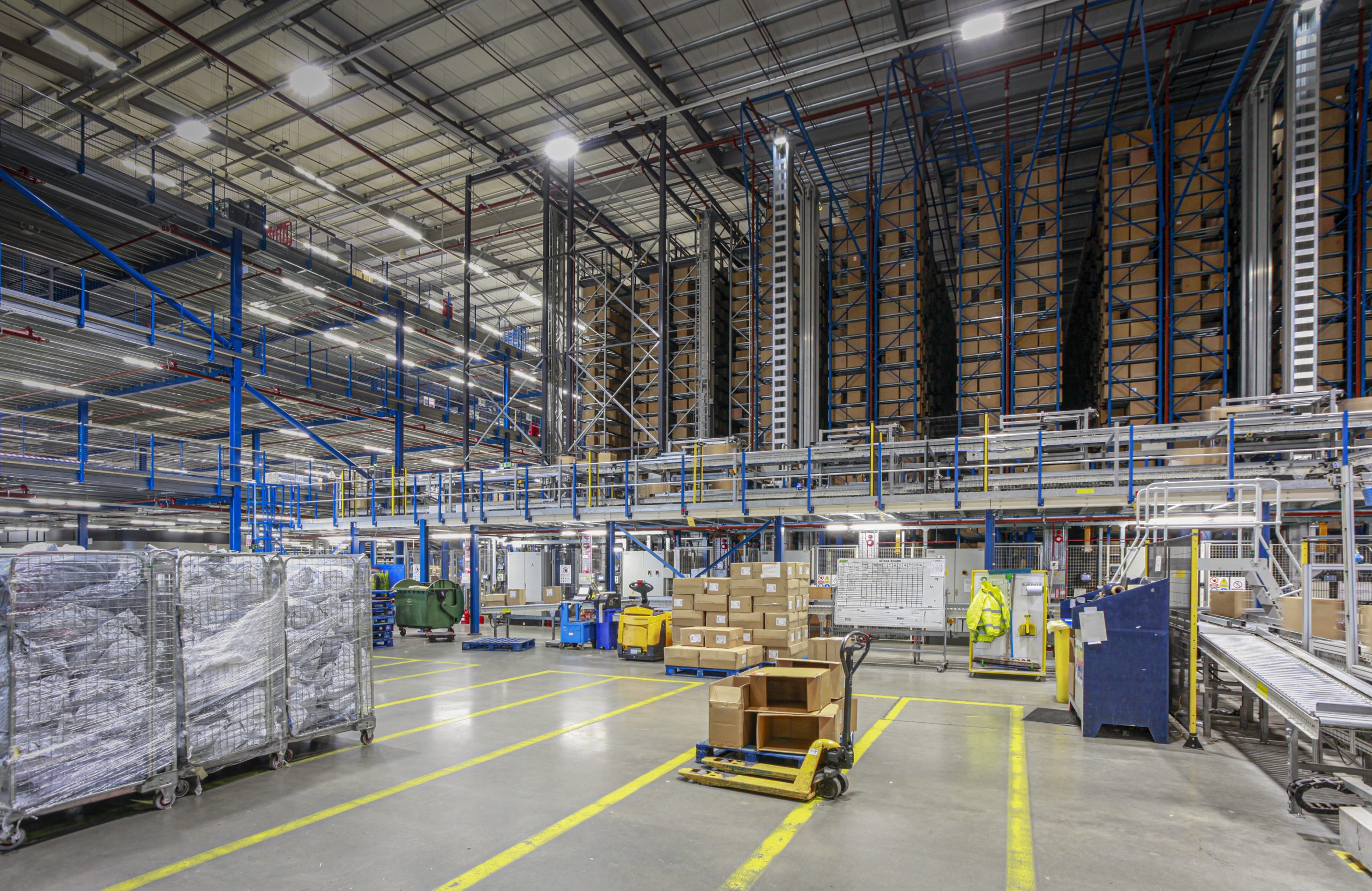
The potential job losses are focused on management and logistics roles across parts of the company’s operations in the United Kingdom. The move highlights growing pressure on major retailers as competition intensifies and consumer spending remains cautious.
For employees, shoppers, and the wider retail sector, the development signals how quickly trading setbacks can translate into workforce changes at even the largest grocery brands.
Asda Job Cuts Explained: What Happened
Asda has begun formal consultation processes that could lead to over 150 redundancies, according to multiple UK business reports. The discussions come after lower-than-expected sales during the crucial Christmas trading period, traditionally the most profitable time of year for supermarkets.
While Asda has not released a precise breakdown of affected roles, reports indicate that store management positions and distribution center staff are among those facing potential cuts. Some operational functions may be merged or restructured as part of a cost-control strategy.
The company has stressed that consultations are ongoing and that no final decisions have been made.
Why Christmas Sales Matter So Much for Supermarkets
For UK grocery chains, the weeks leading up to Christmas can account for a significant share of annual profit.
Holiday demand typically drives higher spending on premium food items, alcohol, and seasonal promotions. When sales underperform during this window, retailers often reassess budgets, staffing levels, and operational efficiency heading into the new year.
Industry analysts say Asda struggled to match rivals on pricing, availability, and convenience during the 2025 holiday season, contributing to lost market share.
Timeline: How the Situation Unfolded
-
December 2025: Christmas trading ends with sales below internal forecasts.
-
Early January 2026: Senior leadership begins internal performance reviews.
-
Mid-January 2026: Redundancy consultations are announced, putting 150+ roles at risk.
-
Now: Employee consultations continue; final outcomes pending.
The timing aligns with a period when many UK retailers traditionally reassess staffing after the holidays.
What Asda Has Said So Far
Asda has acknowledged the consultations but emphasized that the process is not yet complete.
In a brief statement to UK media, the company said it is reviewing its structure to “ensure the business is fit for the future” while continuing to invest in value, pricing, and customer experience.
The retailer added that it is working with affected employees and following all required employment consultation procedures.
Which Workers Could Be Affected
While full details have not been released, reports suggest the following groups may be impacted:
-
Store and regional management roles
-
Logistics and distribution staff
-
Back-office and operational support positions
Frontline hourly store workers are not believed to be the primary focus at this stage, though Asda has not ruled out further changes later in the year.
Public and Industry Reaction
News of the potential job cuts has drawn attention across the UK retail sector.
Employee representatives and labor groups have urged Asda to minimize compulsory redundancies and explore redeployment options where possible. Retail analysts say the move reflects broader pressures facing supermarkets, including:
-
Thin profit margins
-
Rising operating costs
-
Intense competition from discount chains
The announcement also comes amid growing scrutiny of supermarket performance following a challenging year for consumer spending.
What This Means for Shoppers
For customers, there is no immediate impact on store openings, pricing, or availability.
However, restructuring at distribution and management levels can sometimes affect service consistency over time. Asda has said it remains committed to maintaining service standards and competitive prices.
What Happens Next
The consultation process is expected to continue for several weeks.
During this period, affected employees may provide feedback, explore alternative roles within the company, or negotiate redundancy terms if cuts are confirmed. Final decisions are expected later in the first quarter of 2026.
Further restructuring is possible depending on trading performance in the coming months.
Key Facts at a Glance
| Detail | Information |
|---|---|
| Event | Asda redundancy consultations |
| Location | United Kingdom |
| Date announced | January 2026 |
| Roles at risk | 150+ |
| Who is affected | Managers, logistics, support staff |
| Cause | Weak Christmas sales |
| Current status | Consultations ongoing |
| What readers should know | No final decisions yet |
Frequently Asked Questions
How many jobs is Asda planning to cut?
More than 150 roles are currently at risk, according to internal consultations.
Are store workers being laid off?
The focus appears to be on management and logistics roles, not frontline store staff at this stage.
Why did Asda’s Christmas sales underperform?
Competition, pricing pressure, and cautious consumer spending are cited as key factors.
Has Asda confirmed the redundancies?
No. The company has confirmed consultations but says final decisions have not been made.
Will this affect Asda store operations?
There is no immediate impact expected for shoppers.
When will a final decision be made?
Outcomes are expected later in the first quarter of 2026.
Closing
Asda’s move to review staffing after a disappointing Christmas season underscores the fragile state of the UK grocery market.
While consultations continue, employees, investors, and shoppers will be watching closely for updates on how the retailer reshapes its operations in 2026 — and whether further changes lie ahead.








Leave a Comment