In a striking demonstration of France’s capacity to compete on the global defense stage, a prominent Southeast Asian nation has committed to acquiring French military technology once again. This latest procurement represents more than just a transaction—it reflects a strategic partnership that underscores France’s relevance in one of the world’s most geopolitically significant regions.
A Growing Pattern of French Defense Partnerships
Over the past decade, France has positioned itself as a trusted defense supplier for nations seeking to modernize their military capabilities. The recent agreement showcases this trend, with a Southeast Asian buyer returning to French manufacturers for solutions that extend far beyond conventional fighter aircraft procurement. The decision to invest in integrated defense systems demonstrates a sophisticated understanding of contemporary security challenges and the comprehensive nature of modern military requirements.
This isn’t the first time a nation in this region has placed its confidence in French defense expertise. However, what distinguishes this latest arrangement is its scope and ambition. Beyond acquiring the renowned Rafale multi-role combat aircraft, the purchasing nation is simultaneously investing in advanced surveillance and detection infrastructure. This dual approach reveals a strategic vision focused on creating a layered, technologically sophisticated defense apparatus capable of addressing both current and emerging threats.
The Significance of Rafale Acquisition in Modern Warfare
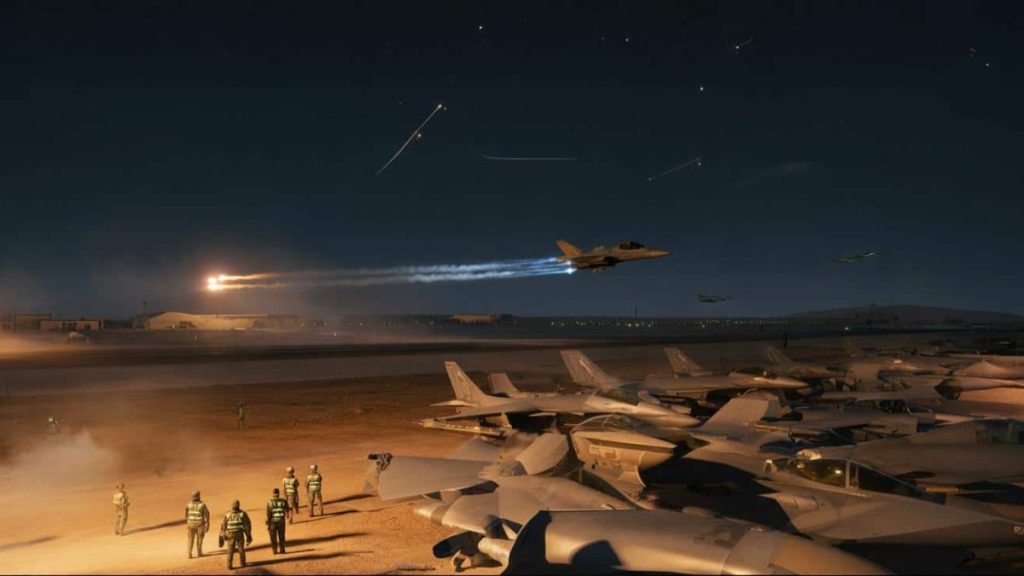
The Rafale aircraft has earned international recognition for its versatility, advanced avionics, and proven combat effectiveness across multiple operational theaters. For a Southeast Asian nation investing in these platforms, the acquisition represents a substantial leap in air defense capabilities. The aircraft’s ability to perform multiple roles—from air superiority to ground attack and reconnaissance—makes it particularly valuable for nations managing diverse security concerns across expansive maritime and terrestrial domains.
The Rafale’s technological sophistication includes advanced sensor fusion, network-centric warfare capabilities, and interoperability with allied defense systems. These features make it an ideal choice for a nation seeking to modernize while maintaining compatibility with existing defense infrastructure and international partnerships. The jets’ reliability and performance in challenging environmental conditions further enhance their appeal for Southeast Asian operators who may deploy aircraft across varied geographical and climatic zones.
Long-Range Radar Systems: The Critical Enabler
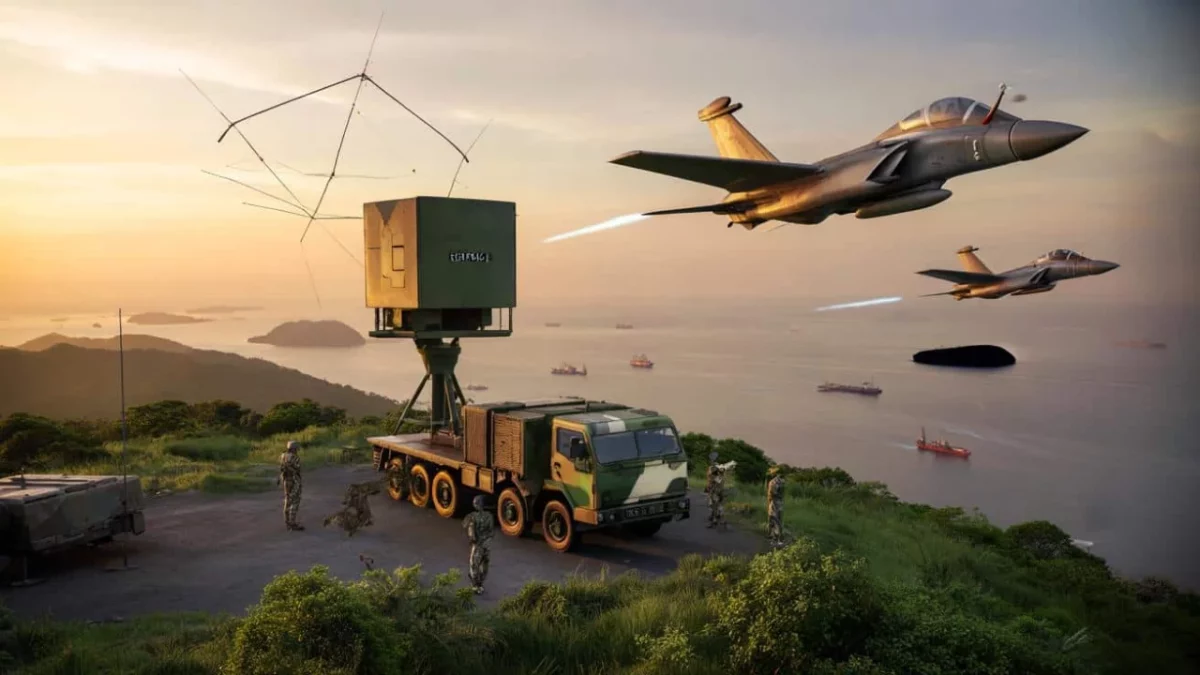
While fighter aircraft capture headlines, the procurement of advanced radar systems represents the truly transformative element of this defense agreement. Modern long-range radar technology serves as the sensory foundation of any credible air defense strategy. These systems provide the early warning, target acquisition, and tracking capabilities essential for effective air sovereignty and regional security.
The French radar systems being acquired represent cutting-edge technology that integrates multiple detection methodologies and advanced signal processing. Such capabilities enable the purchasing nation to monitor vast areas of airspace simultaneously, identify targets at unprecedented ranges, and maintain continuous situational awareness across maritime and land boundaries. In a region characterized by complex maritime disputes and evolving security dynamics, this surveillance capability becomes invaluable for maintaining stability and preventing miscalculation.
The integration of these radar systems with the Rafale fleet creates a synergistic defense ecosystem where air assets and ground-based detection infrastructure operate in seamless coordination. This integrated approach reflects modern military doctrine that emphasizes network integration and coordinated response capabilities rather than isolated platform excellence.
Strategic Implications for Regional Stability
The decision to pursue French military technology carries broader implications for regional geopolitics. France maintains a persistent military and diplomatic presence throughout the Indo-Pacific region, with overseas territories and naval assets positioned strategically across the hemisphere. This defense agreement reinforces France’s role as a stabilizing power committed to maintaining freedom of navigation and upholding international maritime law.
For the purchasing nation, acquiring French military systems signals a deliberate choice to diversify defense partnerships and maintain strategic autonomy. Rather than depending exclusively on a single supplier nation, the country strengthens its negotiating position and ensures access to world-class technology from multiple sources. This approach reflects sophisticated strategic thinking in an era where military self-sufficiency and partnership flexibility represent crucial advantages.
Economic Impact and Industrial Implications
Beyond the immediate military significance, such defense contracts carry substantial economic implications. The procurement generates significant revenue for French defense contractors, supporting specialized manufacturing, engineering expertise, and high-skilled employment. Training programs, maintenance contracts, and technological support extend the economic benefits far beyond the initial sale, creating sustained commercial relationships between nations.
The agreement also positions France competitively against other major defense suppliers pursuing contracts in the region. The contract demonstrates that despite competition from established suppliers and emerging manufacturers, French defense technology remains highly sought after. This success validates France’s ongoing investment in advanced military research and development, ensuring the nation remains at the forefront of defense innovation.
Looking Forward: Building Sustainable Partnerships
As nations throughout the Indo-Pacific seek to upgrade their military capabilities, defense procurement decisions increasingly reflect broader strategic partnerships. The French agreement demonstrates that buyers value not only technological excellence but also the diplomatic relationships and long-term support partnerships that accompany major military acquisitions.
France’s success in securing this contract suggests continued opportunities for European defense suppliers in the region. The agreement underscores a fundamental principle: nations seek partners who combine technological sophistication, reliability, and alignment with their strategic interests. As geopolitical competition intensifies, such partnerships become increasingly valuable for nations seeking to enhance security while maintaining independence.
This latest defense contract represents more than a commercial transaction—it exemplifies the complex interplay of military modernization, strategic partnership, and international diplomacy that characterizes contemporary security affairs. For France, it confirms the nation’s enduring relevance as a defense innovator and strategic partner. For the purchasing nation, it represents a significant step toward enhanced security and regional stability in an increasingly complex geopolitical environment.








Leave a Comment