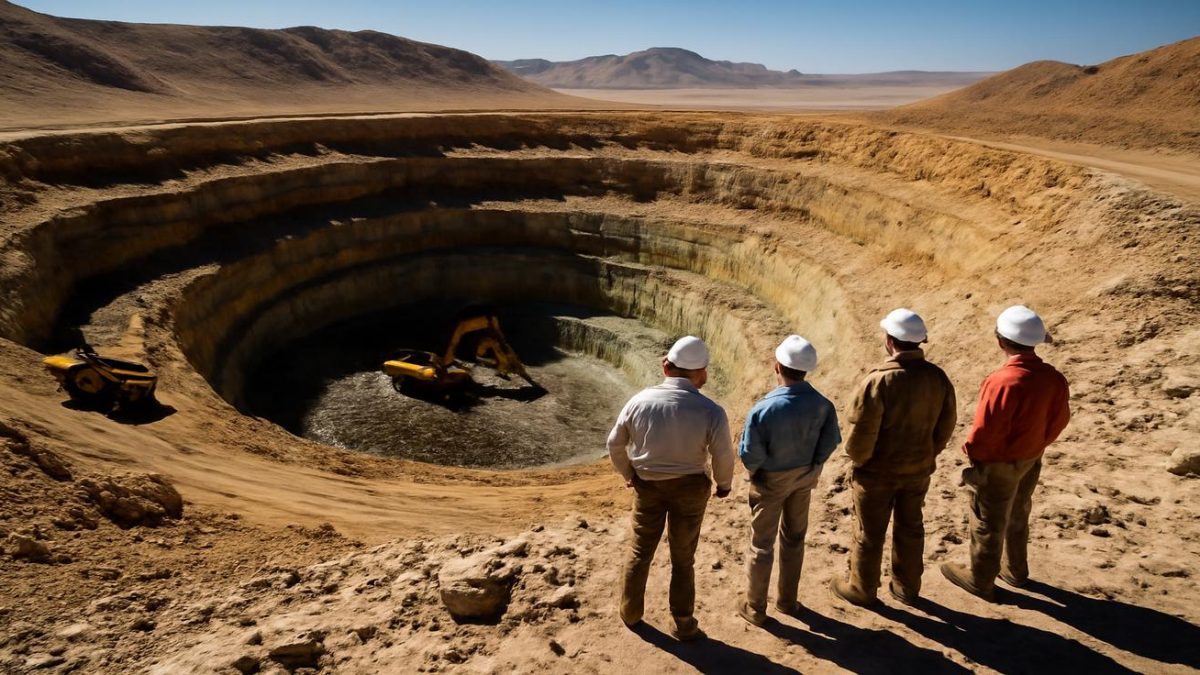
Deep beneath the sun-baked dunes of an isolated desert landscape, researchers have stumbled upon one of the most significant mineral discoveries of our time. What lies hidden beneath centuries of accumulated sand could trigger a complete recalibration of how nations approach nuclear energy strategy, weapons development, and energy security on a global scale.
The Underground Treasure Trove
The discovery came as scientists conducting routine geological surveys in a remote desert region identified extraordinarily rich concentrations of critical minerals essential for nuclear technology. These deposits, extending across thousands of square kilometers, contain substantially higher concentrations than previously known reserves elsewhere on the planet. The scale of this find has caught the attention of nuclear scientists, energy strategists, and geopolitical analysts worldwide.
Initial assessments suggest the mineral wealth could supply global nuclear demand for decades, fundamentally shifting which nations hold leverage in international energy markets. The implications extend far beyond simple economics—they touch on national security, environmental policy, and the future trajectory of renewable versus nuclear energy adoption.
What Makes This Discovery Game-Changing
Throughout modern history, access to nuclear-grade minerals has concentrated power among a select group of nations. Countries possessing these resources wielded disproportionate influence over global energy policy and international negotiations. The emergence of these desert deposits threatens to democratize nuclear resource availability, potentially allowing nations previously locked out of nuclear development to pursue independent programs.
The quality of minerals found in this desert reserve surpasses most currently exploited sources. Extraction requires less processing, reduces waste byproducts, and promises lower production costs. These economic advantages could make nuclear energy significantly more competitive against fossil fuels and other renewable technologies globally. Nations currently reliant on expensive energy imports suddenly see a path toward genuine energy independence.
Geopolitical Ramifications
The discovery arrives at a critical moment in international relations. Several countries have intensified nuclear programs as climate change concerns push nations toward low-carbon energy sources. However, traditional suppliers of nuclear materials have leveraged this monopoly for diplomatic advantage. The new desert reserves fundamentally alter this dynamic.
Developing nations that previously lacked resources for nuclear investment may now pursue atomic energy programs independently. This shift challenges the established order where wealthy, technologically advanced nations controlled nuclear development. Emerging economies could potentially leapfrog traditional energy infrastructure, building modern nuclear facilities without depending on traditional power brokers.
Meanwhile, current nuclear suppliers face pressure to adapt their business models. Nations that built economic influence around resource scarcity must now compete on technological expertise, safety records, and operational efficiency rather than mineral control. This transition will reshape international trade relationships and diplomatic alignments.
Environmental and Safety Considerations
While the abundance of available minerals seems positive, environmental considerations loom large. Extracting these resources from beneath desert ecosystems requires careful planning to minimize ecological disruption. Desert environments, though seemingly barren, support unique biodiversity and delicate ecological balances that extraction operations could threaten.
Additionally, increased mineral processing capacity worldwide raises concerns about radioactive waste management and environmental contamination. Nations rushing to exploit these reserves must establish robust regulatory frameworks preventing environmental catastrophe. The challenge lies in balancing energy needs with ecological responsibility.
Processing nuclear minerals generates hazardous byproducts requiring secure long-term storage. Developing countries with limited environmental infrastructure face particular challenges managing these wastes responsibly. International cooperation on waste management protocols becomes increasingly critical as mining operations expand globally.
Economic Disruption and Market Shifts
The nuclear minerals market will experience significant upheaval following this announcement. Existing mining operations in established locations may become economically unviable if desert reserves can supply materials more cheaply. Mining communities dependent on traditional nuclear mineral extraction face potential economic hardship as operations shift toward more profitable desert sources.
Commodity prices for nuclear materials will likely decline substantially as supply increases dramatically. While consumers benefit from cheaper energy, mining companies and traditional supplier nations experience economic consequences. This price disruption mirrors historical patterns when abundant new resource supplies emerge, creating winners and losers across the global economy.
Investment patterns in energy sectors will shift accordingly. Nuclear energy becomes more attractive to investors previously skeptical about long-term economic viability. Renewable energy sectors may face increased competition as nuclear becomes more cost-competitive. Energy portfolios worldwide will likely rebalance toward greater nuclear emphasis.
Technological and Infrastructure Implications
Accessing and processing these desert reserves requires sophisticated technology and expertise. The discovery stimulates innovation in extraction techniques, processing efficiency, and transportation logistics. Nations and private corporations race to develop superior methods gaining competitive advantages in this emerging market.
Infrastructure development becomes essential as mining operations, processing facilities, and transportation networks must be constructed in remote desert regions. This massive undertaking demands substantial capital investment and coordinated planning across international borders. Engineering challenges specific to desert environments require novel solutions and technological advances.
Future Energy Landscape
Looking ahead, this discovery positions nuclear energy as a cornerstone of global energy strategy for the coming decades. Climate change imperatives combine with abundant nuclear materials to make atomic power increasingly central to decarbonization efforts. However, technological breakthroughs in renewable energy and battery storage could still influence final outcomes.
The transition toward nuclear energy will not occur uniformly globally. Developed nations with established nuclear infrastructure may increase capacity efficiently, while developing countries must build comprehensive systems from scratch. International cooperation on technology transfer and capacity building becomes essential ensuring equitable energy access worldwide.
Conclusion
The discovery of vast nuclear mineral deposits beneath desert sands represents one of the most consequential geopolitical developments in recent memory. It promises to reshape energy markets, alter international power dynamics, and influence climate change mitigation strategies for generations. However, realizing benefits while minimizing environmental and security risks requires thoughtful global cooperation and robust international frameworks. As nations mobilize to access these resources, the world watches how this transformation unfolds.









Leave a Comment