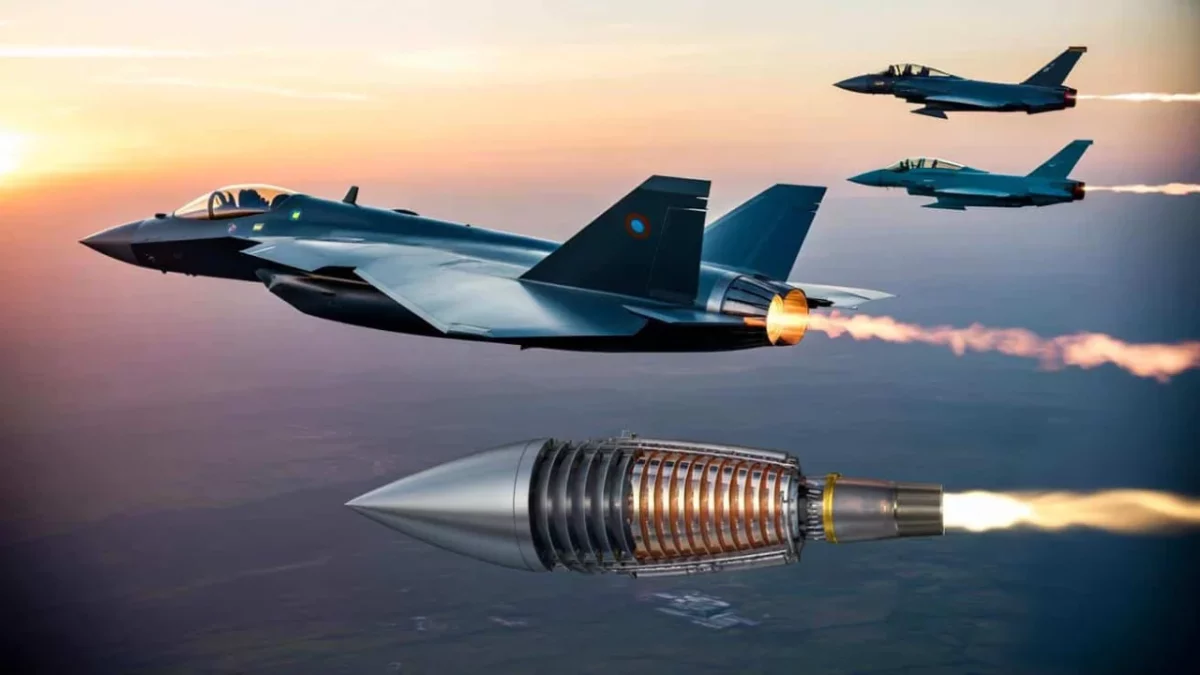
The international defense sector witnessed a seismic shift when France emerged as the victor in one of Asia’s most coveted military contracts. The €6.7 billion agreement to develop India’s sixth-generation fighter jet engine represents far more than a simple commercial transaction—it symbolizes evolving geopolitical alignments, technological ambitions, and the intensifying competition among global aerospace powers vying for influence in the Indo-Pacific region.
A Victory with Broader Implications
France’s successful bid over competing European nations, particularly the United Kingdom, underscores Paris’s strengthened position in the international defense marketplace. This contract does not merely represent revenue; it establishes France as India’s preferred technological partner for one of the subcontinent’s most ambitious military modernization programs. The implications extend beyond bilateral relations, affecting the broader European defense industrial base and signaling shifting preferences among major global defense consumers.
India’s decision to partner with France rather than exploring alternatives reflects confidence in French technological capabilities and industrial expertise. The Indian government’s commitment to developing indigenous advanced propulsion systems demonstrates New Delhi’s determination to achieve greater strategic autonomy in defense manufacturing, reducing dependence on foreign suppliers for critical military systems.
Understanding the Technological Challenge
Developing a sixth-generation fighter engine represents one of the most technically demanding endeavors in modern aerospace engineering. These next-generation powerplants must deliver unprecedented levels of thrust, efficiency, and reliability while incorporating advanced materials capable of withstanding extreme temperatures and stresses. The engineering challenges include integrating cutting-edge avionics, optimizing fuel consumption, and ensuring compatibility with emerging stealth technologies.
France brings substantial expertise to this undertaking, leveraging decades of experience in military jet engine development and production. French aerospace companies have accumulated invaluable knowledge through their involvement with existing fighter programs and advanced research initiatives. This technical foundation positions France as a credible partner capable of delivering the sophisticated engineering solutions required for India’s fighter program.
The Competitive Landscape
The competition for this contract reflected intense rivalry among European aerospace players, each believing their technological capabilities positioned them as India’s ideal partner. The United Kingdom, with its substantial expertise in military aerospace systems, presented a formidable competitor. However, France’s proposal ultimately proved more compelling to Indian decision-makers, whether through technological specifications, industrial partnership terms, or strategic considerations.
This outcome carries significance for the broader European defense industry. It demonstrates that despite post-Brexit reconfiguration of European partnerships, individual nations remain capable of securing major international contracts. Simultaneously, it highlights the competitive pressures existing within Europe’s defense sector, with companies continuously innovating to maintain technological leadership and market position.
India’s Defense Modernization Strategy
India’s pursuit of indigenous fighter engine development reflects a comprehensive strategy to reduce dependence on foreign suppliers and establish a technologically advanced domestic defense industrial base. The nation’s defense planners recognize that sustained security requires domestic capacity to design, develop, and manufacture sophisticated weapons systems. This contract represents a pivotal step in that direction.
The agreement enables Indian engineers and scientists to work alongside French counterparts, facilitating knowledge transfer and capability development. Over the contract’s duration, Indian researchers will accumulate expertise in advanced propulsion technologies, positioning domestic industry for future independent development efforts. This capacity-building dimension carries equal importance to the immediate engine development objectives.
Economic and Industrial Impact
Beyond military implications, this contract generates substantial economic activity for both nations. French aerospace companies will expand operations, create employment opportunities, and strengthen their technological and industrial foundations. Simultaneously, Indian partners gain access to advanced manufacturing facilities, research capabilities, and professional expertise spanning the contract period.
The €6.7 billion investment signals confidence in the long-term partnership and demonstrates commitment to technological advancement. Such major contracts typically involve multiple phases spanning years or decades, creating sustained economic activity and employment for engineers, technicians, manufacturing workers, and supporting professionals across both nations.
Strategic Partnerships in Modern Defense
This agreement exemplifies how modern defense partnerships operate—combining technology transfer, capacity building, and strategic alignment. Rather than simple vendor-customer relationships, contemporary defense contracts increasingly involve collaborative development, knowledge sharing, and joint industrial initiatives. France and India’s arrangement follows this contemporary model, establishing a foundation for ongoing technological cooperation beyond the immediate engine program.
Such partnerships strengthen bilateral relationships and create mutual interests in sustained cooperation. As Indian engineers develop expertise alongside French specialists, personal and institutional connections deepen, creating networks facilitating future collaboration across multiple sectors and initiatives.
Future Implications for European Aerospace
France’s victory provides momentum for continued European competitiveness in advanced aerospace sectors. As global defense spending increases and emerging economies invest in military modernization, European companies possess competitive advantages in technology, engineering expertise, and industrial maturity. Success in major contracts like the Indian fighter engine program enhances reputations and creates references beneficial for pursuing subsequent opportunities.
However, European companies face intensifying competition from manufacturers in other regions, particularly as technological capabilities become increasingly distributed globally. Maintaining competitive advantage requires continuous innovation, strategic investments in research and development, and commitment to quality and reliability standards exceeding competitors’ offerings.
Conclusion: A Milestone in International Defense Cooperation
France’s achievement in securing the €6.7 billion Indian fighter engine contract represents a significant milestone in contemporary international defense cooperation. Beyond its immediate commercial value, this agreement reflects evolving geopolitical alignments, demonstrates continuing European technological leadership in advanced aerospace sectors, and establishes foundations for sustained partnership between major democratic nations in Asia and Europe.
As defense technology becomes increasingly sophisticated and expensive, partnerships enabling knowledge sharing, risk distribution, and collaborative development become essential. France and India’s agreement exemplifies this contemporary approach, positioning both nations for technological advancement while strengthening bilateral relationships in an era of significant global transformation.







Leave a Comment