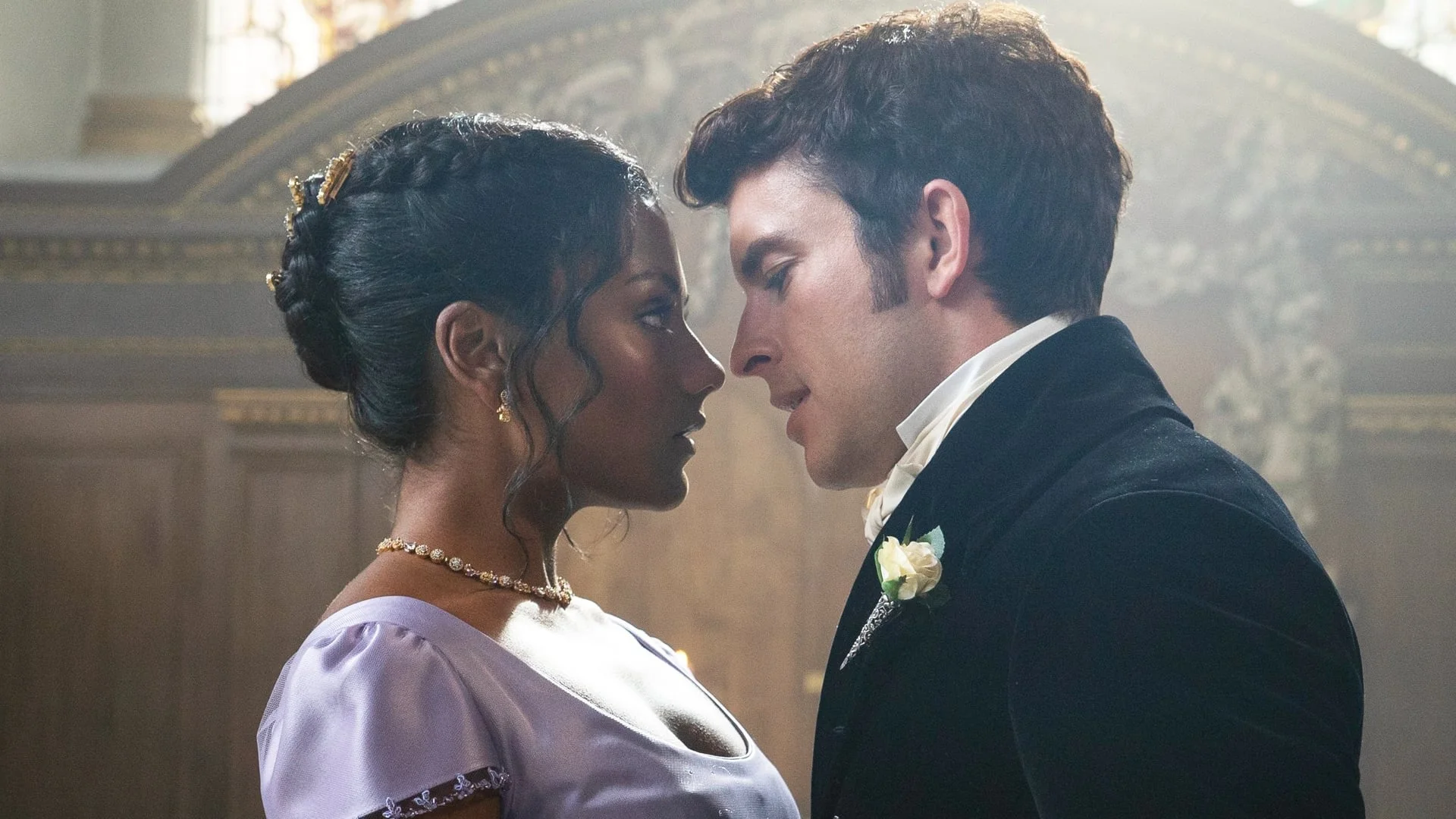
When Bridgerton arrived on Netflix in late 2020, it became an immediate talking point. Its blend of Regency-era romance, vibrant color, steamy scenes and modern music turned what could have been a niche period drama into a global hit.
The show didn’t just dominate streaming charts. It reshaped how Hollywood views romance adaptations. After its breakout success, series based on romance novels became a reliable programming bet for streamers.
But something has shifted since the third season dropped in 2024. The show still racks up big numbers, but the level of cultural buzz once associated with Bridgerton has eased. That matters. For a franchise that helped define a streaming era, a cooling audience can influence how platforms like Netflix plan years of content ahead.
How Bridgerton Became a Standout
Bridgerton debuted in December 2020 during the pandemic, a time when many people were confined at home and hungry for escapist entertainment. The result was improbable: a period romance became one of Netflix’s most-viewed series. Netflix reported Bridgerton had been watched by 82 million households within its first 28 days — a record at the time — and ranked number one in dozens of countries.
Produced by Shonda Rhimes’s Shondaland and based on Julia Quinn’s bestselling books, the series brought a diverse cast to a genre typically dominated by straight period fare. It turned Regency-era London into a social media phenomenon.
The pattern was clear: each season shifted focus to a new Bridgerton sibling and their romantic arc. After the smash success of Season 1, Netflix greenlit multiple renewals and launched spin-offs like Queen Charlotte.
The Turn After Season 2
Season 2, released in early 2022, sustained the show’s momentum. Fans on social platforms debated every episode. Critics noted the chemistry between leads. But by Season 3, widely released in 2024, the tenor around the series had changed.
Reviews were still generally positive — critics’ scores remained high and applaud performances like Nicola Coughlan’s as Penelope Featherington. Variety’s Aramide Tinubu said the season benefited from “endearing chemistry” and called parts of it “a gem in the franchise.” Still, many viewers online were less enthusiastic, describing the storyline build-up as uneven and the aesthetic shift as jarring — particularly after years of consistent visual style and tone.
Social media buzz, while still large, became more fragmented. Some fans complained that promotion led to inflated expectations; others said the show simply felt too familiar. These discussions didn’t eclipse public interest, but they lacked the viral intensity of earlier seasons.
A Broader Impact on Streaming Programming
Bridgerton’s influence on TV didn’t stop with its own success. Its popularity helped push romance adaptations into the mainstream — a genre many executives once viewed as niche. Platforms began pursuing similar IP, betting that established book audiences would translate into reliable viewing. That shift can be seen now across multiple services and releases.
Yet with more romance titles available, audiences have more options. Series that experiment with tone, representation or storytelling nuance have entered the mix, meaning Bridgerton’s formula no longer feels unique.
What Netflix and Creators Are Saying
Representatives for Netflix have continued to treat Bridgerton as a core franchise. The company is promoting the ongoing fourth season in two parts — with Part 1 now streaming and Part 2 set to release later this year — and production on more future installments is underway.
Cast members have spoken about their hopes for the series’ evolution. In a recent Vogue interview, season 4 leads Luke Thompson (Benedict) and Yerin Ha (Sophie) described their characters’ dynamic and the show’s continued commitment to varied love stories. Thompson said working on the season “felt like discovering the story as it happened, not just performing it,” and Ha noted that the costumes and performances help “bring forward emotional truth, not just spectacle.”
Julia Quinn, whose novels form the backbone of the series, addressed changes made in Season 3 — namely a gender swap for a character’s romantic partner — as rooted in thoughtful discussion and creative intent. Quinn told fans on social media that the adaptation choices were made with care and urged viewers to trust the storytelling process.
How the Public Is Reacting
Viewers remain engaged. Search spikes continue around promotional peaks and premiere dates. Social posts still count in the millions. Even specific scenes like the carriage sequence from Season 3 became standalone moments many fans revisited and shared online.
Still, the overall tone of online reaction has softened. Conversations that once lasted for weeks now move faster and shift to new series more quickly. Some fans critique continuity or stylistic choices. Others debate whether the latest seasons prioritize narrative depth over romance tropes. That’s not a collapse just a recognition that with nearly four years of episodes, the show now shares attention with many others.
What Comes Next
The early performance of Season 4 suggests Bridgerton still draws viewers. But how audiences respond to later episodes will be a clearer gauge of where the franchise stands. There’s a different kind of pressure on long-running shows now: to grow without losing what first made them remarkable.
How Netflix balances consistency with reinvention could influence not just Bridgerton’s future but the broader trend for romance-focused programming. The next few months of viewing data and audience chatter will offer a clearer picture.







Leave a Comment