
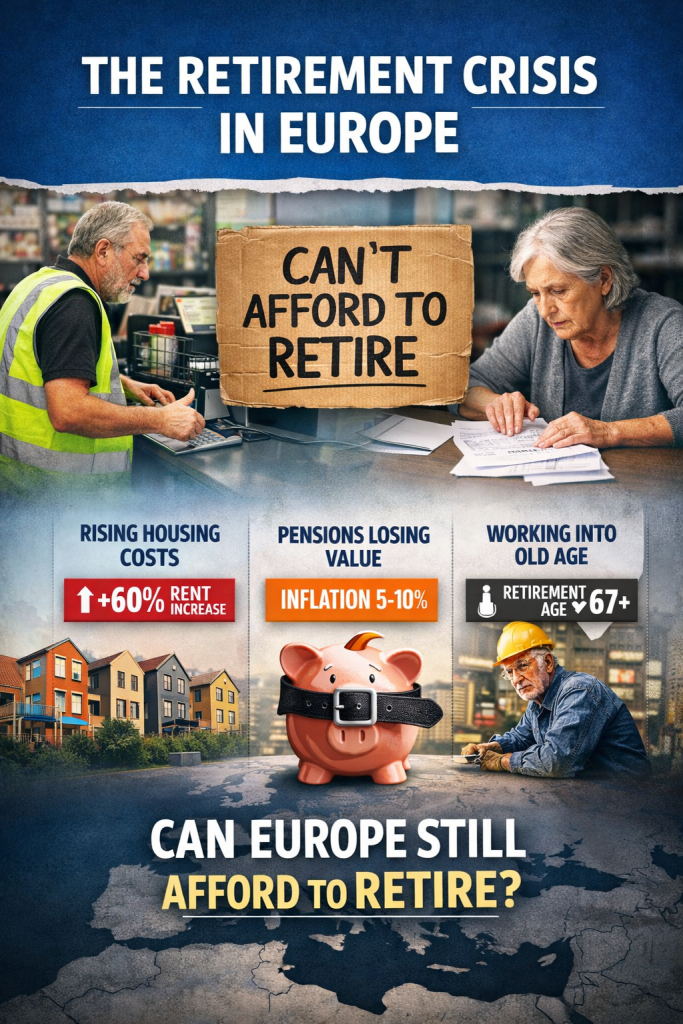
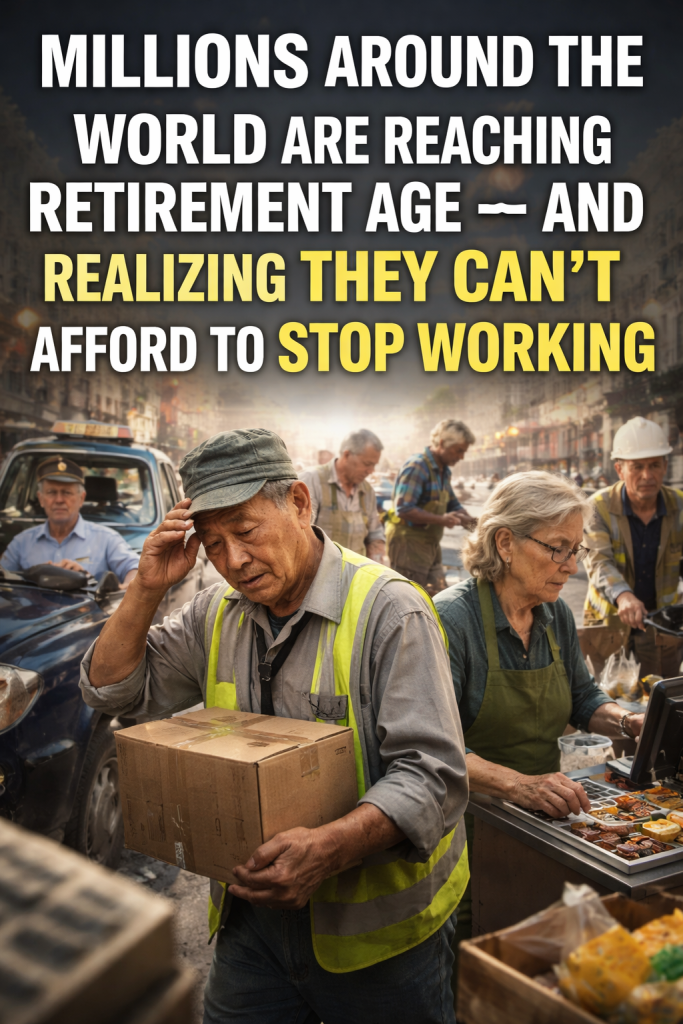
Retirement in 2026 looks very different from what most people planned twenty or thirty years ago. Rising housing costs, healthcare expenses that keep climbing, and longer life expectancy have changed the conversation entirely. For many people, especially those active on Reddit communities like r/retirement, r/expats, and r/personalfinance, the big question is no longer when to retire — it’s where.
Some retirees are looking overseas to make their savings last longer. Others are choosing to stay in familiar countries like the UK, Canada, Australia, or New Zealand, even if it means higher costs, because stability and healthcare access matter more than price.
This article takes a realistic, community-focused look at the best countries to retire in 2026, comparing affordable retirement destinations with high-cost but high-security countries, so readers can clearly see the trade-offs.
We focus on:
-
Cost of living
-
Healthcare quality
-
Visa or residency rules
-
Minimum money realistically needed to retire
No hype. No fantasy numbers. Just the kind of breakdown people on Reddit actually look for before making life-changing decisions.
Why Retirement Planning Has Become a Location Problem
A recurring theme in Reddit discussions is frustration. People did everything “right” — worked for decades, saved, invested — and still feel squeezed at retirement.
One commenter summed it up plainly:
“I didn’t fail at retirement planning. The cost of retiring where I live just exploded.”
This is why comparing countries side by side matters. Retirement is no longer about luxury. It’s about predictability, healthcare access, and not running out of money at age 80.
How These Countries Were Ranked
Each country was assessed using factors retirees consistently mention as most important:
-
Monthly cost of living for a modest but comfortable life
-
Healthcare access, quality, and out-of-pocket costs
-
Visa or residency options for retirees
-
Long-term stability, safety, and infrastructure
Major Superannuation Changes in 2026 Could Impact Millions of Australians
Best Lower-Cost Countries to Retire in 2026
Portugal
Portugal continues to be one of the most balanced retirement destinations in the world. Costs are lower than much of Western Europe, healthcare is reliable, and residency pathways remain accessible for retirees with stable income.
A retiree living in Porto shared this view:
“Portugal gave me something I didn’t expect — I stopped worrying about money and healthcare at the same time.”
Why it works
-
Strong public healthcare
-
Moderate cost of living
-
Clear residency options
Mexico
Mexico remains one of the most popular choices for retirees from the US and Canada. Private healthcare is affordable and modern, and living costs can be dramatically lower depending on location.
“I live better here than I did in the US, and I spend less doing it,” wrote one American retiree.
Why it works
-
Affordable healthcare
-
Easy residency requirements
-
Close to North America
Thailand
Thailand stands out for healthcare value. Its private hospitals are internationally accredited and widely used by retirees.
“My biggest retirement fear was medical bills. Thailand turned that into a non-issue,” said a UK retiree in Chiang Mai.
Why it works
-
Excellent private healthcare
-
Low daily living costs
-
Established retirement visa system
Malaysia
Malaysia offers a rare mix: English-speaking environment, strong infrastructure, and affordable healthcare.
Why it works
-
Easy daily life for English speakers
-
Good healthcare at lower cost
-
Stable urban centers
Spain
Spain attracts retirees who value lifestyle as much as cost. While not the cheapest, it offers public healthcare and a social environment many retirees find energizing.
“Spain feels like retirement was meant to feel — slower, warmer, and more social,” one retiree wrote.
High-Cost but High-Stability Retirement Countries
Not everyone wants to retire abroad. Many Reddit users point out that certainty and familiarity can outweigh cost savings. These countries consistently rank high for safety, healthcare, and governance — but they come at a price.
United Kingdom
The UK remains a viable retirement option for those with solid pensions or paid-off housing. The National Health Service is still a major draw, even with its current pressures.
Reality check
-
Healthcare access is strong
-
Living costs, especially housing and energy, remain high
-
Retirement is far easier if housing is already owned
Canada
Canada consistently ranks high for quality of life and healthcare access. However, housing costs and taxes are major retirement challenges.
A Canadian retiree wrote:
“Healthcare is solid, but everything else feels like it costs 30 percent more every year.”
Australia
Australia offers excellent healthcare and strong retirement protections through superannuation. The downside is cost — particularly housing, insurance, and utilities.
Best for
-
Retirees with strong super balances
-
Those prioritizing healthcare certainty
New Zealand
New Zealand appeals to retirees seeking safety, clean environments, and a slower pace of life. Costs are high, but quality of life remains a major draw.
Best for
-
Retirees with sufficient savings
-
Those valuing stability over affordability
Full Country Comparison Table (2026 Estimates)
| Country | Avg Monthly Cost (USD) | Healthcare Quality | Residency / Visa Ease | Minimum Annual Income Needed |
|---|---|---|---|---|
| Portugal | $1,800–$2,200 | High (Public + Private) | Moderate | $15,000–$20,000 |
| Mexico | $1,500–$2,000 | High (Private) | Easy | $18,000–$25,000 |
| Thailand | $1,200–$1,800 | Very High (Private) | Moderate | $20,000–$25,000 |
| Malaysia | $1,300–$1,900 | High (Private) | Moderate | $24,000–$30,000 |
| Spain | $1,900–$2,400 | High (Public) | Moderate | $20,000–$25,000 |
| United Kingdom | $2,500–$3,200 | High (Public) | Citizen-based | $30,000+ |
| Canada | $2,600–$3,400 | High (Public) | Citizen-based | $32,000+ |
| Australia | $2,700–$3,500 | Very High (Public) | Citizen-based | $35,000+ |
| New Zealand | $2,800–$3,600 | High (Public) | Restrictive | $35,000+ |
How Much Money Do You Need to Retire Comfortably?
Estimated Total Retirement Savings Needed (Age 60–65)
| Location | Estimated Savings Needed |
|---|---|
| Thailand / Malaysia | $250,000–$350,000 |
| Mexico | $300,000–$400,000 |
| Portugal / Spain | $350,000–$450,000 |
| UK / Canada | $700,000–$900,000 |
| Australia / New Zealand | $800,000–$1,000,000+ |
These estimates assume:
-
Rent or modest home ownership
-
Basic travel and emergencies covered
-
Private health insurance where required
Which Country Is “Best” Depends on What You Fear Most
Reddit discussions often reveal that retirement decisions are driven by fear as much as desire.
-
Fear of running out of money → Thailand, Mexico
-
Fear of healthcare uncertainty → Portugal, Australia
-
Fear of isolation or culture shock → UK, Canada, Spain
One long-term expat put it bluntly:
“The best retirement country is the one where your biggest fear stops keeping you up at night.”
Frequently Asked Questions (FAQ)
What is the best age to retire internationally?
Most people retire between 55 and 65, once pensions, superannuation, or social security become accessible.
Is retiring abroad risky?
It can be if visa rules, healthcare access, and taxes are not researched properly. Most failures come from underestimating bureaucracy, not cost.
Can you retire abroad on pension income alone?
In lower-cost countries, yes. In high-cost countries, savings are essential.
Do you need permanent residency?
Not always. Many retirees live long-term on renewable retirement visas.
Final Thoughts: Retirement in 2026 Is About Trade-Offs
Retirement today is less about reaching a magic number and more about choosing the right environment. Some people will gladly trade cost savings for familiarity. Others will trade familiarity for financial peace.
Neither choice is wrong.
As one Reddit user concluded after years of debate:
“I didn’t choose the cheapest country. I chose the one where my retirement finally felt sustainable.”







Leave a Comment