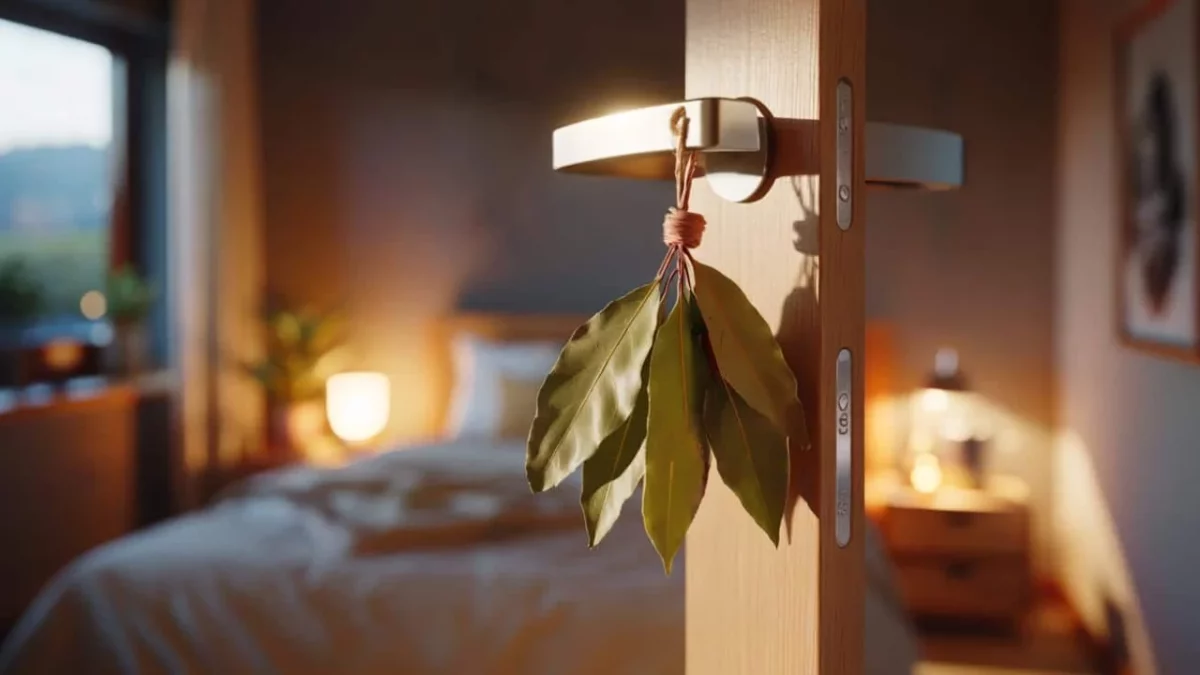
Walk through any modern wellness community or scroll through trending home décor platforms, and you’ll encounter an increasingly popular recommendation: hanging bay leaves on your bedroom door. What might seem like an obscure household ritual has actually captured the attention of thousands seeking natural ways to enhance their sleeping environment and overall wellbeing. But what’s driving this trend, and does it actually work?
Understanding the Bay Leaf Phenomenon
Bay leaves, scientifically known as Laurus nobilis, have been used for centuries across Mediterranean cultures for culinary and medicinal purposes. However, their recent surge in bedroom décor represents something quite different from traditional cooking applications. The contemporary movement isn’t just about using bay leaves for flavoring—it’s about harnessing their purported properties to create a more restful sleeping space.
The trend has grown so substantially that wellness retailers now stock specially dried bay leaves marketed specifically for bedroom use. Social media platforms overflow with testimonials from people claiming improved sleep quality, reduced anxiety, and better mental clarity after implementing this simple practice. Yet many remain skeptical, wondering whether the enthusiasm is rooted in genuine benefit or simply another wellness fad.
The Aromatic Properties That Started It All
At the heart of this trend lies science. Bay leaves contain aromatic compounds including eucalyptol, myrcene, and pinene—substances that research suggests may have calming and sedative properties. When dried bay leaves are placed in your bedroom, they release these volatile compounds into the air, creating a subtle aromatic environment that supporters claim promotes relaxation and better sleep.
The practice taps into the broader science of aromatherapy, which has demonstrated measurable effects on sleep patterns and stress reduction in various studies. Unlike essential oils that require diffusion, bay leaves offer a low-maintenance alternative that continuously releases their beneficial compounds throughout the day and night. This passive delivery system appeals to people seeking wellness benefits without complicated equipment or daily maintenance routines.
Traditional herbal medicine has long recognized bay leaves for their potential anxiety-reducing properties. Mediterranean healers historically recommended them for promoting calm and restful sleep, suggesting that modern enthusiasm might actually represent a revival of ancient wellness knowledge rather than a novel invention.
Psychological Factors and Placebo Power
Honestly, we must address the elephant in the room: the placebo effect likely plays a significant role in why many people report success with bay leaves. When someone consciously decides to implement a wellness practice—even something as simple as hanging leaves—they often experience measurable improvements in sleep quality and anxiety levels, regardless of whether the leaves themselves provide specific therapeutic compounds.
This doesn’t necessarily diminish the practice’s value. The placebo effect is a legitimate physiological response that can produce real changes in sleep patterns, stress hormones, and overall wellbeing. If hanging bay leaves on your bedroom door creates a mindset shift toward better sleep hygiene and relaxation, the resulting improvements are genuine, even if the mechanism differs from what enthusiasts might claim.
The ritual aspect also matters. Creating intentional wellness practices—whether hanging herbs, establishing bedtime routines, or preparing your bedroom environment—signals to your mind and body that sleep and rest are priorities. This psychological shift alone can improve sleep quality independent of any chemical properties the bay leaves possess.
Practical Implementation and Safety Considerations
For those interested in trying this trend, the implementation is straightforward and cost-effective. Dried bay leaves can be purchased from any grocery store or specialty retailer for minimal expense. Simply secure them above or beside your bedroom door using a small hook, clip, or adhesive strip. Some people prefer placing them in a small muslin bag or mesh sachet to contain any debris and create a more polished appearance.
The practice is remarkably safe for most people. Bay leaves pose no toxicity risk when dried and suspended in your bedroom. However, those with severe pollen allergies or sensitivities to aromatic compounds might experience irritation, so personal assessment is worthwhile. Additionally, if you have pets, ensure they cannot access the bay leaves, as ingestion in large quantities could potentially cause issues.
Rotation is recommended—replacing your bay leaves every few months ensures they maintain their aromatic potency. Fresh bay leaves may provide stronger scent release, though dried versions are typically preferred for bedroom applications as they’re less likely to deteriorate or create mess.
What The Wellness Community Says
Testimonials from those who’ve adopted this practice reveal interesting patterns. Most report subjective improvements in sleep quality, reduced nighttime anxiety, and a generally calmer bedroom atmosphere. Some describe experiencing vivid dreams, which they associate with deeper sleep cycles. Others mention using bay leaves in combination with other sleep optimization practices like blackout curtains, temperature control, and consistent sleep schedules.
Interestingly, many practitioners note that expectations matter. Those who approach bay leaves with genuine curiosity rather than skepticism tend to report more positive outcomes, further suggesting that the mind-body connection plays a crucial role.
Combining Bay Leaves With Other Sleep Strategies
The most effective approach likely involves treating bay leaves as one component of a comprehensive sleep optimization strategy rather than a standalone solution. Combining this practice with evidence-based approaches—maintaining consistent sleep schedules, optimizing bedroom temperature, reducing screen time before bed, and managing stress—creates a more robust foundation for better sleep.
Bay leaves work best when integrated into a holistic wellness philosophy that acknowledges both the physical environment and psychological factors affecting rest. They’re not a replacement for addressing underlying sleep disorders or serious anxiety conditions, which require professional medical attention.
The Bottom Line
Whether bay leaves on your bedroom door represent cutting-edge wellness science or elaborate placebo effect, the practical reality matters more. They’re inexpensive, safe, and easy to implement. If the practice helps you sleep better—whether through genuine chemical effects or psychological benefits—it’s worth incorporating into your routine.
The surge in popularity suggests that many people find genuine value in this simple practice, even if the mechanisms aren’t fully understood. As with many wellness trends, the proof ultimately lies in individual experience. If you’re seeking to improve your sleep quality and appreciate natural, low-cost solutions, hanging bay leaves on your bedroom door represents a harmless experiment worth trying.











Leave a Comment