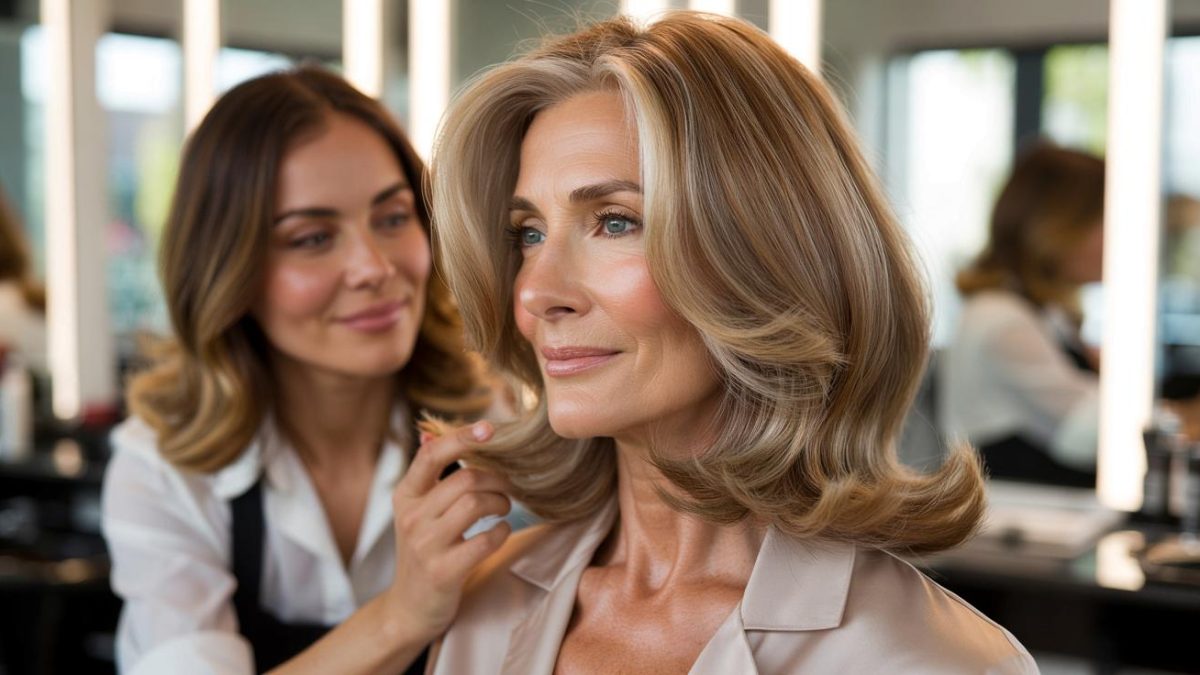
When women walk into my salon feeling concerned about visible signs of aging, they often expect me to recommend elaborate treatments or expensive procedures. What surprises them is that my most effective anti-aging tip requires nothing more than strategic thinking about their hair. After spending over twenty years working with women of all ages, I’ve discovered that hair color choices have a more profound impact on youthful appearance than most people realize.
Understanding the Gray Hair Paradox
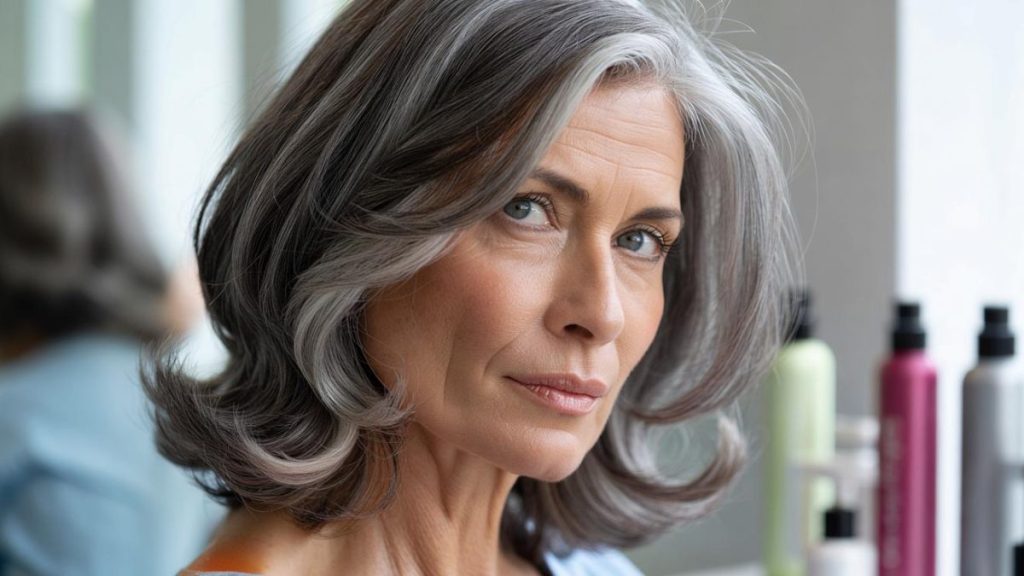
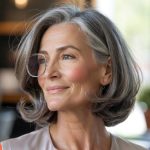
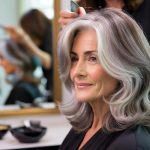
Let’s start with something most stylists won’t tell you: gray hair itself isn’t the enemy of a youthful appearance. Rather, it’s how gray hair interacts with your skin tone, overall coloring, and facial features that determines whether it ages you or enhances your look. I’ve seen women with fully gray hair who look absolutely radiant, and I’ve seen poorly maintained gray coverage that creates harsh shadows across the face.
The real issue emerges when we ignore the subtle shift in skin undertones that happens as we age. Our skin naturally loses some of its former luminosity and warmth. When gray hair sits above this changing canvas without strategic color consideration, it can actually emphasize every line and create an unflattering contrast. This is where understanding your personal coloring becomes absolutely crucial.
The Game-Changing Color Strategy
My secret isn’t recommending a specific color. Instead, I guide my clients through understanding undertones. Here’s what I’ve learned: women over fifty benefit tremendously from moving away from hair colors that were perfect at thirty. That cool-toned blonde that worked beautifully when you had more natural warmth in your complexion? It might now drain your face of vitality.
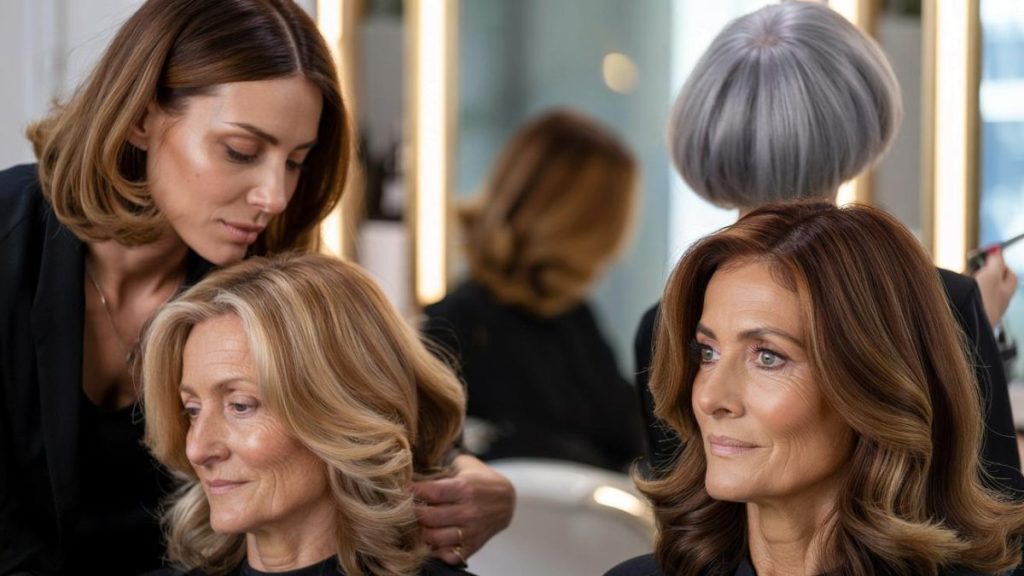
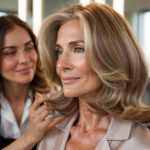
I always start by examining what I call the “framing effect.” Hair color should frame your face in a way that highlights your best features rather than emphasizing areas of concern. For women transitioning through significant color changes, I recommend considering warmer undertones—think honey-infused blondes, rich caramels, or chocolate browns instead of ashy or platinum varieties.
The reasoning is scientific. Warmer tones in hair reflect light in a way that creates a subtle glow around the face. This glow fills in the appearance of fine lines and creates an optical illusion of fuller, more vibrant skin. It’s not makeup magic—it’s about how light interacts with pigment.
Embracing Dimensional Coloring
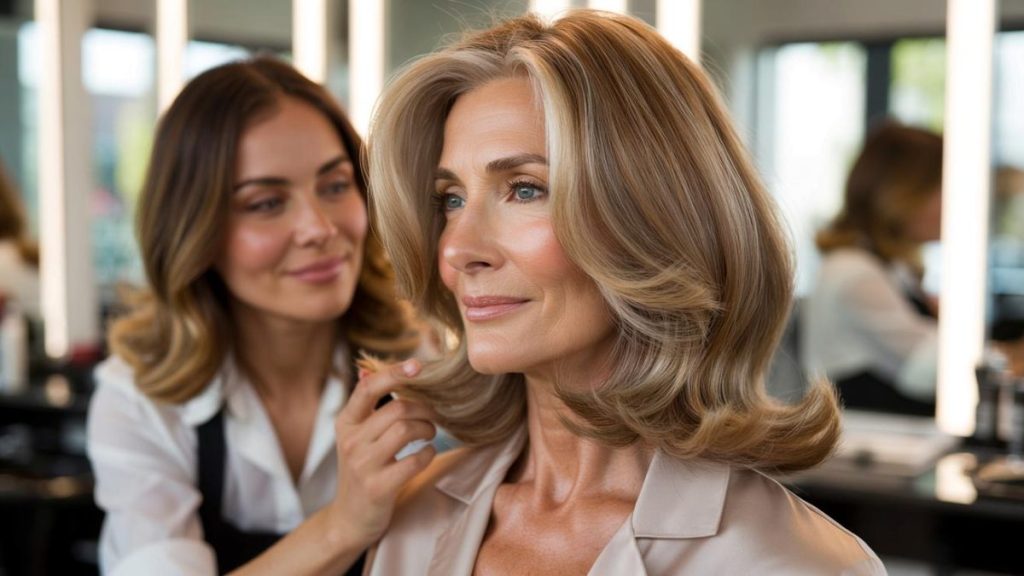
One technique I’ve refined over decades is what I call “intelligent dimensional coloring.” This isn’t about chunky highlights from the 2000s. Instead, it’s about placing subtle variations in tone that create depth and movement around the face. When a woman reaches her fifties, flat, one-dimensional color can actually highlight texture changes in the hair itself and make the face appear more tired.
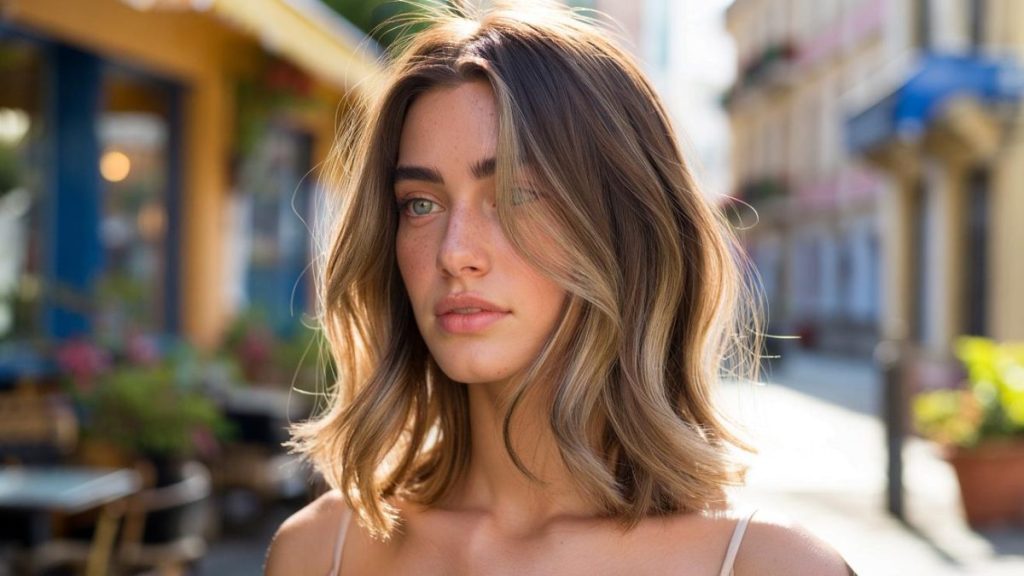
I strategically place slightly lighter tones around the face—not stark contrasts, but delicate variations that suggest movement and catch light naturally. Around the back and lower sections, I might use slightly deeper tones to create dimension. This technique accomplishes several things simultaneously: it makes gray coverage look more natural and lived-in rather than obviously colored, it creates a subtle lift around the face, and it adds texture perception even if the actual hair texture hasn’t changed.
The Maintenance Reality Check
Here’s where I become brutally honest with my clients: the best color in the world won’t look youthful if it’s poorly maintained. The moment you start seeing dark roots creeping down from the scalp, especially with contrast against lighter lengths, the effect immediately ages the face. It creates horizontal lines that draw the eye downward and emphasize facial drooping.
This is why I recommend my clients establish a realistic maintenance schedule. Rather than stretching appointments to save money, I suggest more frequent, subtle touch-ups. The goal is to maintain a seamless blend that looks like natural coloring, not obvious color application. I’ve found that appointments every four to five weeks, rather than every eight, actually creates a younger appearance and requires less dramatic color work at each appointment.
Considering Your Lifestyle and Personality
I never recommend a color based solely on age or skin tone. The best anti-aging hair strategy also considers how the color makes you feel. Women who love their appearance walk differently, smile more genuinely, and carry themselves with confidence. That confidence is one of the most powerful anti-aging tools available.
I’ve had clients choose softer, more neutral tones because that’s what makes them feel most like themselves. Others embrace richer, more saturated colors because that’s where they find joy. A woman who feels fantastic about her appearance—regardless of the specific color choice—will always appear younger than someone who feels uncomfortable or inauthentic.
The Texture Connection
Most stylists don’t discuss this enough: hair texture changes significantly as we age, and color strategy must account for this. Aging hair often becomes coarser or develops a different texture pattern. The right color can minimize the appearance of these changes by adding depth and movement that suggests healthy texture, even when the actual texture has shifted.
Additionally, how color deposits into aging hair differs from how it works on younger hair. The hair cuticle changes over time, which means the same color formula can look completely different on a woman at fifty than it did at thirty. This is why working with someone experienced with mature hair is so valuable.
The Confidence Factor Nobody Discusses
After thousands of color applications, I’ve realized the true anti-aging secret isn’t about tricking anyone. It’s about supporting your natural beauty at every stage of life. When a woman’s hair color harmonizes with her skin tone, reflects light beautifully, and is maintained with care, she looks healthier, more vibrant, and genuinely younger.
That youthful quality isn’t about looking thirty again. It’s about looking like the best, most radiant version of yourself at fifty, sixty, or beyond. That’s a goal worth pursuing, and it’s absolutely achievable with the right approach to hair color strategy.


Leave a Comment